






What's Happening?
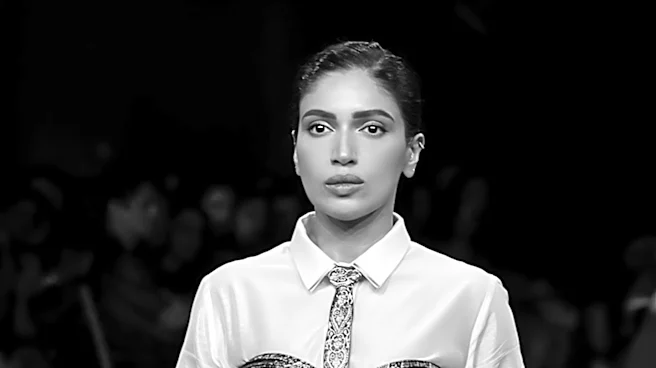
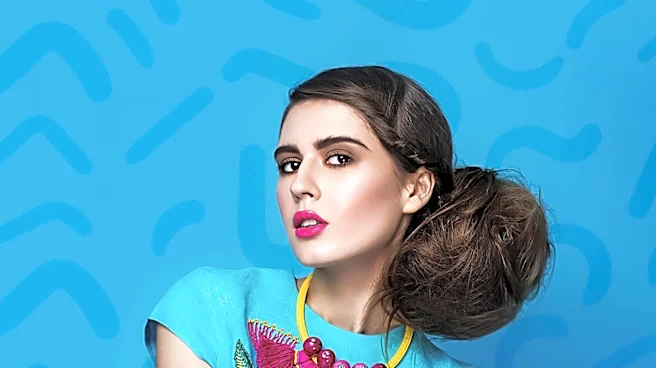
Designers in the fashion industry are increasingly transforming jewelry into wearable art, emphasizing bold self-expression and challenging traditional norms. Labels like NO.NA.MÉ, founded by Smruti Mathisekaran, are pioneering gender-neutral aesthetics
and innovative designs that defy conventional jewelry placement and proportions. This movement is part of a broader trend where jewelry is seen as an intersection of art, crafts, design, and fashion. The shift is also reflected in the growing acceptance of jewelry beyond traditional mediums, with consumers seeking unique and experimental pieces. This trend is not only reshaping consumer preferences but also expanding the market for independent designers who are exploring avant-garde and conceptual designs.
Why It's Important?
The transformation of jewelry into wearable art signifies a significant shift in consumer attitudes and the fashion industry. It highlights a growing demand for individuality and self-expression, challenging the dominance of mass-produced designs. This trend offers new opportunities for independent designers and small businesses to thrive in a competitive market. As consumers increasingly value unique and meaningful pieces, the jewelry industry is witnessing a diversification of styles and materials. This evolution also reflects broader cultural changes, as gender-neutral and inclusive designs gain popularity, resonating with a wider audience. The movement towards wearable art in jewelry is not only a fashion statement but also a reflection of changing societal values and the desire for personal empowerment through style.
What's Next?
As the trend of wearable art in jewelry continues to grow, it is likely to influence mainstream fashion and consumer behavior further. Designers may increasingly collaborate with artists and craftsmen to create innovative pieces that challenge traditional norms. The market for gender-neutral and inclusive designs is expected to expand, attracting a diverse consumer base. Additionally, the emphasis on storytelling and the history behind each piece could become a significant factor in consumer decision-making. As more consumers seek unique and personalized jewelry, the industry may see a rise in bespoke and limited-edition collections. This shift could also encourage larger brands to adopt more sustainable and ethical practices, aligning with the values of conscious consumers.
Beyond the Headlines
The movement towards wearable art in jewelry has deeper implications for cultural and social dynamics. It challenges traditional gender roles and promotes inclusivity, reflecting a broader acceptance of diverse identities. This trend also highlights the role of fashion as a form of personal expression and empowerment. By redefining what jewelry can be, designers are not only creating new aesthetic possibilities but also fostering a dialogue about identity and self-expression. The emphasis on craftsmanship and storytelling in jewelry design underscores the importance of preserving cultural heritage while embracing innovation. As this trend continues to evolve, it may inspire other sectors of the fashion industry to explore similar avenues of creativity and expression.