




What's Happening?
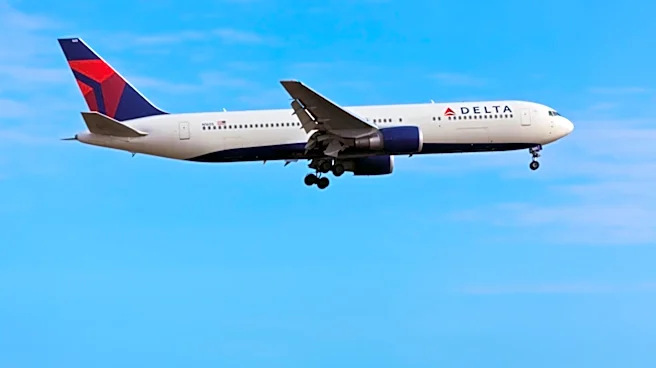
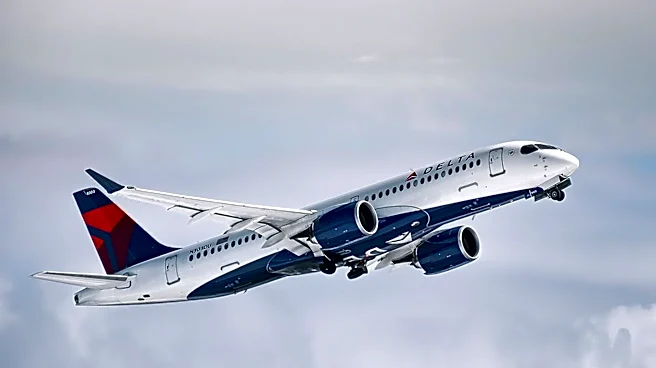
Senior airline captains at Delta Air Lines are now earning over $500,000 annually, a figure that surpasses the average salaries of many medical specialists and top corporate managers in the United States. This significant increase in pilot compensation
is a result of recent collective bargaining agreements and a restructuring of the U.S. aviation labor market. A senior captain with twelve years of experience flying wide-body aircraft like the Airbus A350 or Boeing 787 can earn a base salary of approximately $454,000 per year, based on an average of 900 accredited hours. When profit-sharing and company-funded retirement contributions are included, the total annual remuneration can exceed $539,000. This marks a historical shift, as thirty years ago, medical specialists earned significantly more than airline captains. For instance, radiologists average around $421,000, anesthesiologists $392,000, and orthopedic surgeons $359,000, placing pilot compensation at the top tier of highly paid professions.
Why It's Important?
This shift in compensation highlights a significant change in the valuation of skilled labor within the U.S. economy, particularly in the aviation sector. The substantial salary increases for senior pilots reflect the intense demand for qualified personnel, driven by a post-pandemic surge in travel and a wave of mandatory retirements for pilots reaching the age of 65. This shortage has empowered pilot unions to negotiate lucrative contracts, not only with Delta but also with other major U.S. carriers like United and American Airlines. The economic reordering places airline captains in a higher earning bracket than many traditionally high-paying professions, underscoring the critical role of experienced pilots in maintaining air travel safety and efficiency. This trend could influence labor negotiations in other industries facing skilled labor shortages, potentially leading to upward pressure on wages in specialized fields.
What's Next?
The current trend of high pilot salaries is likely to continue as long as the demand for air travel remains robust and the supply of experienced pilots remains constrained. Airlines will need to continue offering competitive compensation packages to attract and retain top talent, which could impact ticket prices for consumers. The increased operational costs for airlines might be passed on to passengers, potentially affecting the affordability of air travel. Furthermore, this situation could encourage more individuals to pursue careers in aviation, drawn by the lucrative financial prospects. However, the extensive training and rigorous certification requirements for pilots mean that any increase in supply will take time to materialize. The industry will also need to monitor the long-term effects of these high salaries on overall airline profitability and competitiveness.
Beyond the Headlines
The dramatic increase in pilot salaries reflects deeper economic and societal shifts. It underscores the critical importance of specialized skills in a globalized economy, where certain professions, due to unique demands and limited supply, can command premium compensation. This situation also highlights the impact of demographic shifts, such as an aging workforce and mandatory retirement ages, on labor markets. The rigorous and continuous competency verification required for airline pilots, including semi-annual medical exams and simulator tests, coupled with the immense responsibility for passenger safety, justifies the high compensation in the eyes of many. This trend could also spark broader discussions about the value of different professions and the factors that determine earning potential in a rapidly evolving economic landscape, potentially influencing career choices and educational pathways for future generations.