








What's Happening?
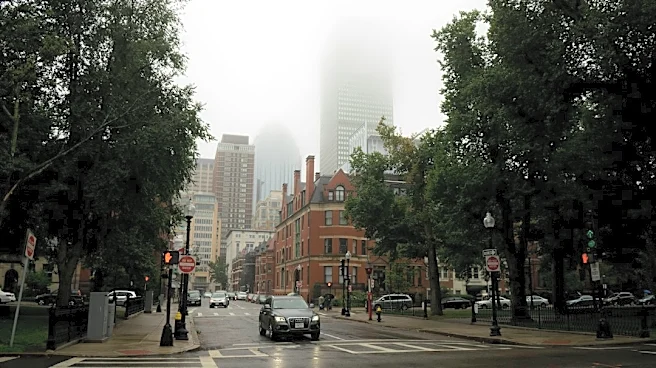
In Boston's Back Bay, the Puppet Free Library, located in the basement of Emmanuel Church, offers a collection of approximately 300 life-sized puppets for loan. Most of these puppets, which include mythical beings, animals, and fantastical characters,
are handmade by Sara Peattie, who leads the lending team. The library operates on a trust-based system, allowing local theaters, community groups, students, and even passersby to borrow puppets for free. Peattie emphasizes that the primary goal is not merely lending, but encouraging people to create and stage their own large-scale performances in their communities. The puppets are constructed from durable materials such as papier-mâché, recycled items, and donated fabric, designed to withstand numerous parades and shows. Peattie also conducts workshops to teach puppet-making skills, fostering the craft within the community.
Why It's Important?
This initiative is important because it democratizes access to artistic expression and community engagement. By providing free, readily available resources like life-sized puppets, the Puppet Free Library removes significant financial and logistical barriers for individuals and groups wishing to stage public performances. This fosters creativity, encourages community building, and promotes the arts at a grassroots level. It empowers residents to actively participate in cultural events rather than being passive consumers, potentially leading to a more vibrant and interconnected local arts scene. The emphasis on handmade puppets and workshops also helps preserve and transmit traditional craft skills, ensuring that the art of puppetry continues to thrive and evolve within the community. This model could inspire similar initiatives in other cities, demonstrating a sustainable way to support public art and community participation.
What's Next?
The Puppet Free Library is expected to continue its operations, lending puppets and offering workshops to the Boston community. Sara Peattie's ongoing efforts to teach puppet-making suggest a sustained commitment to expanding the reach of this art form. The library's success could lead to increased demand for its services, potentially requiring more volunteers or resources to manage the growing collection and workshop schedule. There is also potential for the library to collaborate with more local schools and community organizations, further integrating puppetry into educational and public programs. The trust-based lending system will likely remain a core aspect, relying on the community's responsibility to return the puppets. The library's model may also serve as an inspiration for other cities looking to establish similar free-lending programs for artistic materials, potentially leading to a broader movement of accessible community art resources.
Beyond the Headlines
Beyond the immediate benefit of providing performance tools, the Puppet Free Library embodies a deeper philosophy of communal ownership and creative empowerment. It challenges the conventional notion of art as something exclusively produced by professionals or confined to formal venues, instead promoting a participatory and accessible approach. The act of borrowing and performing with these handmade puppets fosters a sense of collective storytelling and shared cultural heritage. It encourages individuals to step into roles as creators and performers, building confidence and fostering collaborative skills. The use of recycled materials in puppet construction also subtly promotes environmental consciousness and resourcefulness. This initiative highlights the power of simple, tangible resources to ignite imagination, strengthen community bonds, and create spontaneous public art, demonstrating a unique blend of artistic, social, and educational impact.