




What's Happening?
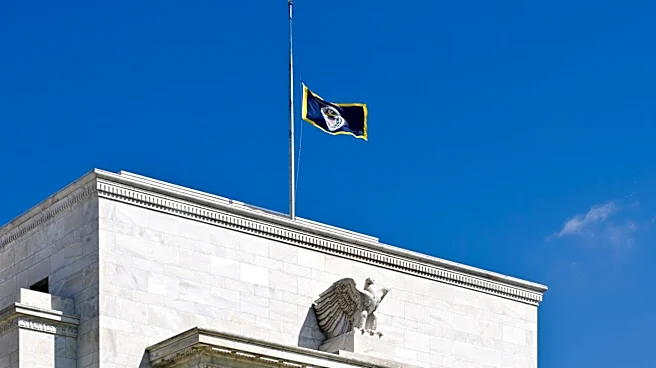
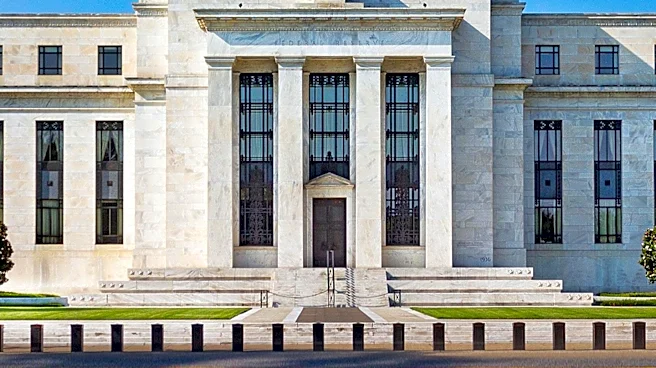
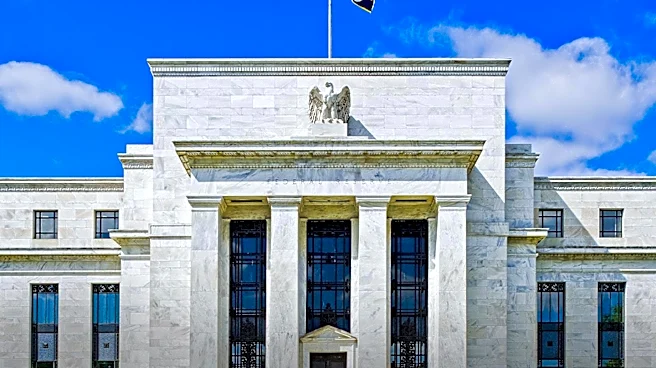
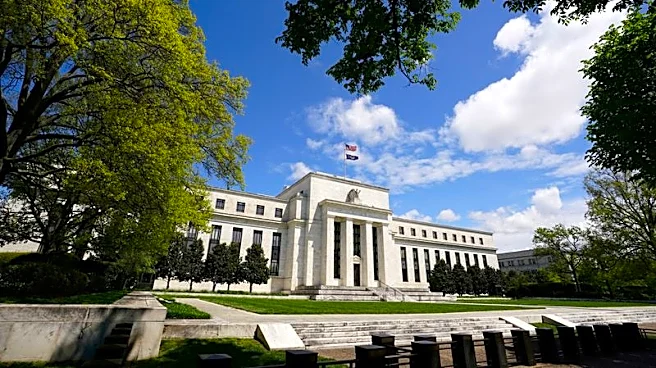
The Federal Reserve has released a monetary policy report indicating that U.S. inflation has increased this spring, driven by tariffs, war-related energy costs, and the expansion of artificial intelligence. The report highlights that inflation remains
above the Federal Open Market Committee's target of 2%, with the Personal Consumption Expenditures Price Index running at double that rate as of May. Despite a stable labor market and low unemployment, the Fed is concerned about inflationary pressures. The report also notes a slowdown in immigration and labor force participation, affecting labor supply growth. Economic growth has been moderate, supported by AI investment but hindered by a stagnant housing market and modest household consumption.
Why It's Important?
The rise in inflation poses significant challenges for the Federal Reserve as it seeks to balance price stability with economic growth. Persistent inflation could lead to increased interest rates, affecting borrowing costs for businesses and consumers. The AI sector's rapid expansion, while boosting productivity, also contributes to inflationary pressures due to increased demand for resources. The Fed's cautious approach to interest rate hikes reflects the uncertainty in economic conditions and the potential impact on financial markets. Stakeholders, including investors and policymakers, are closely monitoring the Fed's actions, as they could influence economic policy and market dynamics.
What's Next?
Federal Reserve Chairman Kevin Warsh is scheduled to appear before congressional committees to discuss monetary policy. The Fed's decision on interest rates will be influenced by ongoing inflation trends and economic indicators. Investors anticipate potential rate increases later this year, depending on inflation developments. The Fed's approach to managing inflation will be critical in shaping economic policy and maintaining market stability. Stakeholders will be watching for signals from the Fed regarding future rate adjustments and their implications for the economy.