





What's Happening?
Partner Vram Malek and Sports + Entertainment Practice Leader Dave Miranowski are scheduled to attend the Power Brokers: Sports-Anchored Development Summit at Wynn Las Vegas from November 11–13. This summit is an annual gathering that brings together
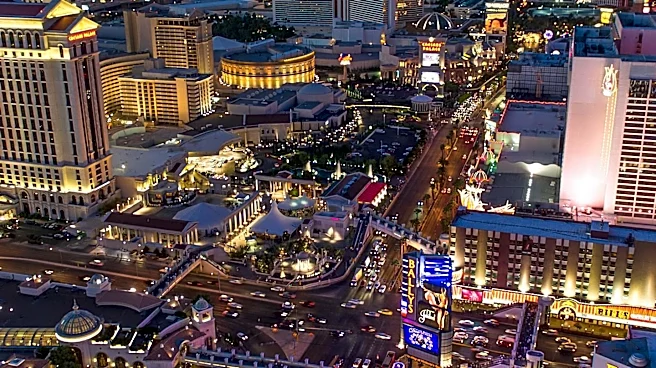
prominent leaders to discuss the planning, financing, and execution of stadium districts and large-scale developments. The event's location at Wynn Las Vegas holds particular significance this year, following the recent opening of the Cliff House, a two-story clubhouse designed by SOM in collaboration with Wynn Design & Development. The conference will focus on sports-anchored mixed-use real estate development, exploring how design can enhance the role of sports venues and create destinations that offer substantial value beyond game days. The summit aims to delve into innovative strategies for integrating sports facilities with broader urban development projects.
Why It's Important?
The attendance of Vram Malek and Dave Miranowski at this summit underscores the growing importance of sports-anchored developments in urban planning and real estate. These types of projects are increasingly seen as catalysts for economic growth, capable of transforming urban landscapes and creating new revenue streams for cities and developers. By focusing on mixed-use developments, the summit highlights a trend where sports venues are no longer standalone facilities but integrated components of larger entertainment, residential, and commercial districts. This approach can lead to significant job creation, increased tourism, and enhanced community engagement. The discussions at the summit will likely influence future development strategies, impacting how cities approach large-scale infrastructure projects and how private entities invest in sports-related real estate ventures across the U.S.
What's Next?
Following the Power Brokers: Sports-Anchored Development Summit, insights and strategies shared by industry leaders like Vram Malek and Dave Miranowski are expected to inform upcoming projects in the sports and entertainment real estate sector. The focus on design elevating the role of sports venues suggests a future where architectural innovation plays a crucial role in creating sustainable and economically viable destinations. Developers and urban planners will likely consider the discussed models for integrating sports facilities with broader community amenities, aiming to maximize their value beyond event days. This could lead to new partnerships between design firms, sports organizations, and real estate developers, fostering a more holistic approach to urban development centered around sports and entertainment hubs. The outcomes of these discussions may also influence public policy regarding zoning, infrastructure investment, and economic incentives for such large-scale developments.
Beyond the Headlines
The trend of sports-anchored mixed-use developments reflects a broader societal shift towards experiential economies, where consumers prioritize experiences over traditional goods. These developments aim to create vibrant, multi-functional spaces that serve as community focal points, offering a blend of entertainment, retail, dining, and residential options. Beyond economic benefits, such projects can foster a stronger sense of community identity and pride, particularly when local sports teams are involved. However, they also present challenges, including significant capital investment, potential gentrification, and the need for careful urban planning to ensure equitable access and benefits for all residents. The discussions at the summit will likely touch upon these complex considerations, highlighting the need for sustainable and inclusive development models that balance economic growth with social responsibility and environmental stewardship.