








What's Happening?
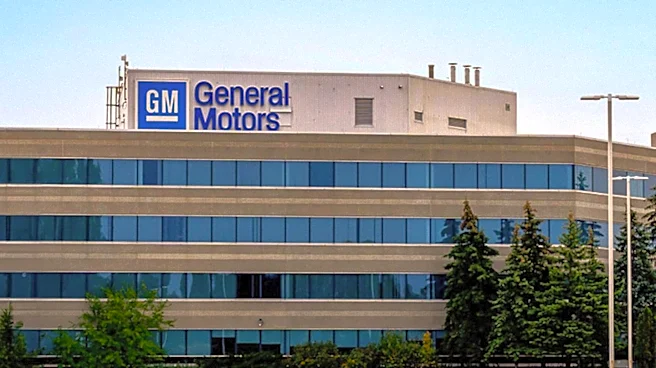
General Motors (GM) is actively promoting an inclusive workplace culture and making employment decisions on a non-discriminatory basis. The company's vision is centered on achieving 'Zero Crashes, Zero Emissions, and Zero Congestion,' aiming to lead transformative
change for a better, safer, and more equitable world. GM is undergoing a significant technological transformation within its industry, which is reshaping its approach to innovation and technology platforms. This shift is intended to deliver enhanced value to customers. The company's commitment extends to fostering an environment where employees can thrive and develop superior products. GM's employment policies explicitly prohibit discrimination based on sex, race, color, national origin, citizenship status, religion, age, disability, pregnancy or maternity status, sexual orientation, gender identity, or veteran status, in compliance with federal, state, and local laws. The company also highlights its focus on driving meaningful change through its culture and products.
Why It's Important?
General Motors' emphasis on an inclusive workplace and its 'Zero Crashes, Zero Emissions, Zero Congestion' vision holds significant importance for the U.S. automotive industry and broader society. By prioritizing non-discriminatory employment practices, GM aims to attract a diverse talent pool, which can foster innovation and lead to the development of more competitive products. This approach can set a precedent for other major U.S. corporations, promoting equitable hiring and retention practices across various sectors. The 'Zero Emissions' goal directly addresses environmental concerns and aligns with national efforts to combat climate change, potentially accelerating the transition to electric vehicles and sustainable transportation solutions. The 'Zero Crashes' and 'Zero Congestion' objectives have the potential to significantly improve public safety and urban efficiency, reducing economic losses associated with accidents and traffic delays. This strategic direction positions GM not just as an automotive manufacturer but as a leader in societal and technological advancement, influencing policy discussions around sustainability, urban planning, and workforce diversity.
What's Next?
General Motors is expected to continue its efforts in integrating its 'Zero Crashes, Zero Emissions, Zero Congestion' vision into its product development and operational strategies. This will likely involve further investments in electric vehicle technology, autonomous driving systems, and smart mobility solutions. The company's commitment to an inclusive workplace suggests ongoing initiatives in diversity, equity, and inclusion training, as well as recruitment strategies aimed at broadening its talent base. Stakeholders, including consumers, environmental groups, and government regulators, will likely monitor GM's progress in achieving its ambitious goals. The success of these initiatives could influence regulatory frameworks for vehicle safety and emissions, potentially leading to new industry standards. Furthermore, GM's approach to fostering an inclusive culture may inspire other U.S. companies to re-evaluate and strengthen their own diversity and inclusion programs, contributing to a more equitable national workforce.
Beyond the Headlines
General Motors' vision extends beyond mere product development, touching upon profound ethical and societal implications. The pursuit of 'Zero Crashes' reflects a deep ethical commitment to human life and safety, pushing the boundaries of automotive engineering to minimize human error and enhance vehicle intelligence. The 'Zero Emissions' goal addresses the moral imperative of environmental stewardship, acknowledging the automotive industry's historical impact on climate and striving for a sustainable future. This commitment could lead to a redefinition of corporate responsibility within the U.S., where companies are increasingly expected to contribute positively to societal well-being beyond their economic output. Furthermore, GM's focus on an inclusive workplace highlights a cultural shift towards valuing diverse perspectives and experiences, recognizing that a heterogeneous workforce can lead to more innovative and equitable solutions. This broader impact could foster a more just and sustainable society, influencing not only the automotive sector but also the ethical frameworks guiding technological advancement and corporate governance in the U.S.