








What's Happening?
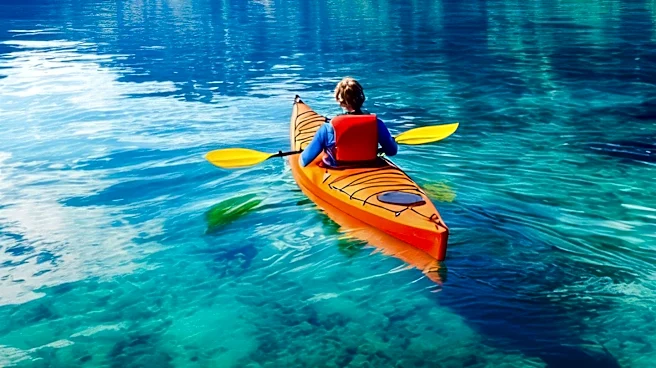
Kayaking, an accessible water adventure, requires proper preparation and adherence to safety guidelines, especially for beginners. Key recommendations include wearing a properly fitted life jacket at all times, bringing essential supplies like drinking
water, snacks, and sun protection, and ensuring emergency communication devices are accessible in waterproof cases. Beginners are advised to start on calm, protected waters such as lakes or ponds, and to check weather forecasts for wind, thunderstorms, and water temperature. It is also crucial to paddle with a companion, share a float plan with someone on land, and learn basic rescue skills. The emphasis is on starting with short, manageable routes and staying within one's abilities to ensure a comfortable and safe introduction to the sport.
Why It's Important?
The focus on safety and preparation in kayaking is vital for preventing accidents and ensuring a positive experience for participants. By highlighting the necessity of wearing life jackets, carrying communication devices, and understanding water conditions, these guidelines aim to reduce risks associated with water sports. For the outdoor recreation industry, promoting safe practices can encourage broader participation and foster a sustainable interest in activities like kayaking. This approach also underscores the importance of personal responsibility in outdoor pursuits, potentially influencing public policy discussions around water safety regulations and educational programs. Adherence to these tips can lead to fewer incidents, thereby reducing the strain on emergency services and healthcare systems, and ultimately enhancing the overall appeal and accessibility of kayaking for a wider audience.
What's Next?
As more individuals engage in outdoor recreational activities, the demand for comprehensive safety education and accessible equipment is likely to increase. Kayaking organizations and outfitters may expand their beginner-friendly programs, offering guided outings and lessons that cover essential skills like forward, reverse, and sweep strokes. There could also be a greater emphasis on developing and promoting comfortable, effective personal flotation devices and waterproof gear. Furthermore, community initiatives might emerge to educate the public on creating and sharing float plans, and on the importance of checking local conditions before launching. The continuous evolution of safety technology and instructional methods will likely shape future kayaking practices, making the sport even safer and more enjoyable for new enthusiasts.
Beyond the Headlines
The emphasis on preparation and safety in kayaking extends beyond immediate physical well-being, touching upon broader themes of environmental awareness and responsible recreation. Encouraging kayakers to check weather conditions and understand their environment fosters a deeper respect for natural ecosystems. The advice to 'inspect yourself as well' after an outing, noting strain or soreness, promotes a mindful approach to physical activity and self-care. This holistic view of outdoor recreation can contribute to a culture where participants are not only skilled but also environmentally conscious and self-aware. Such practices can lead to a more sustainable engagement with natural resources, influencing how recreational areas are managed and how individuals interact with the environment, fostering a sense of stewardship among outdoor enthusiasts.