


What's Happening?
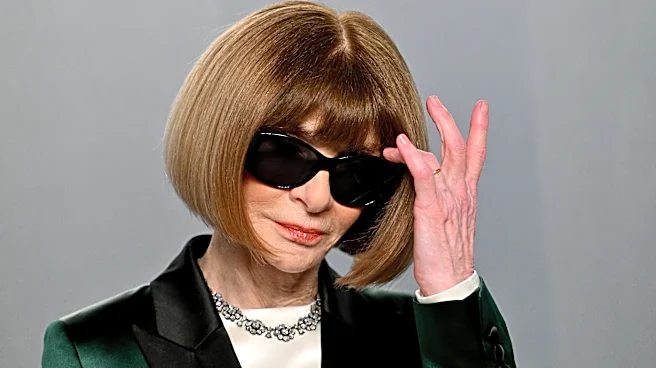
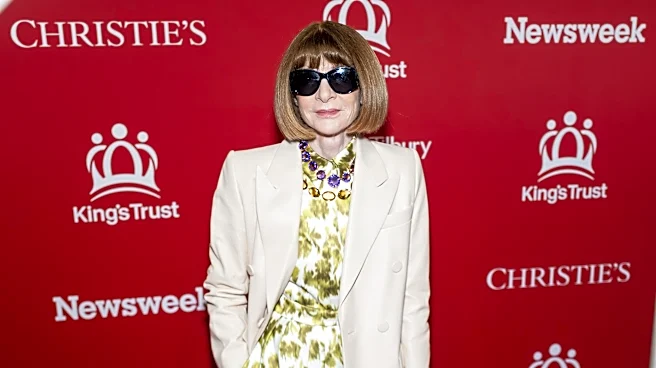
Anna Wintour, Condé Nast's chief content officer and global editorial director of Vogue, is reportedly distancing herself from a controversial Taylor Swift profile published by Vanity Fair. Sources suggest Wintour is concerned about the fallout and potential
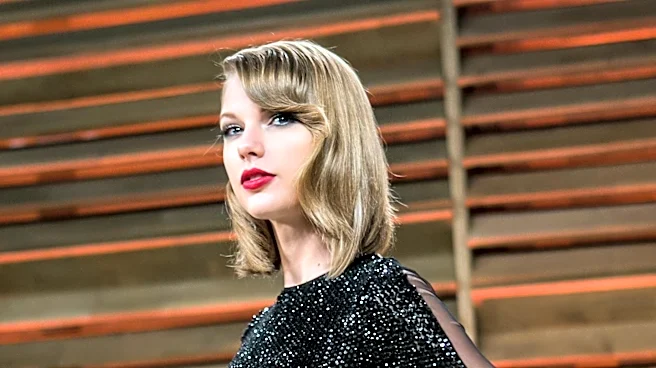
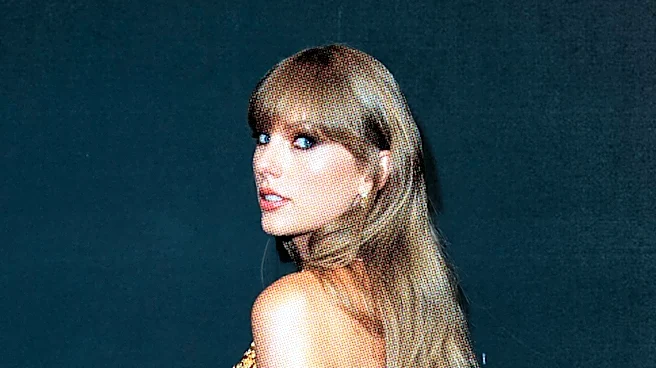
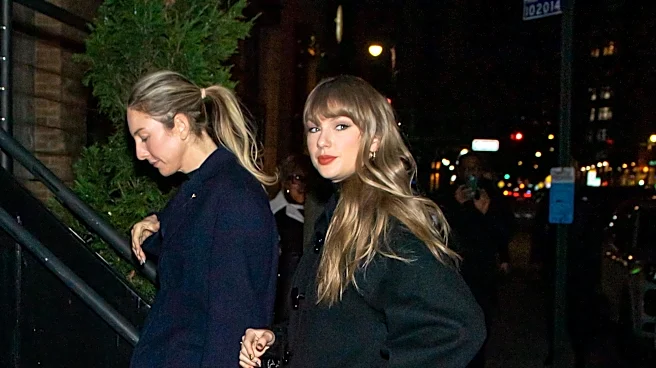
damage to relationships with major celebrities, stating she 'doesn't want to be involved in any of this' and 'prefers access.' The article, titled 'The Mastermind,' was written by journalist May Jeong and drew on interviews with over 100 individuals, examining Swift's childhood, career, relationships, and public image. It notably referred to Swift as 'The Star' and 'The Mastermind' rather than by name. Chloe Malle, head of editorial content at Vogue U.S., also reportedly expressed concerns about the profile unnecessarily damaging Condé Nast's relationship with Swift, questioning its necessity. However, representatives for Wintour and Vogue have denied these allegations, stating there is 'no truth to any of it,' and noted that Wintour was aware of the feature before publication. Mark Guiducci, Vanity Fair's global editorial director, who was appointed by Wintour in June 2025, is reportedly standing by the decision to publish the profile.
Why It's Important?
This internal disagreement within Condé Nast highlights the delicate balance between journalistic integrity and celebrity relations in the entertainment industry. The reported concerns from figures like Anna Wintour and Chloe Malle underscore the significant commercial value and influence of major celebrities like Taylor Swift. Antagonizing such figures could jeopardize future collaborations, such as Vogue covers or Met Gala appearances, which are crucial for Condé Nast's brands in terms of visibility and revenue. The controversy also raises questions about editorial independence versus corporate interests, particularly when a critical profile of a powerful celebrity is published. The debate surrounding the use of anonymous sources and the revisiting of past incidents in the profile further emphasizes the challenges faced by publications in maintaining credibility while generating attention. The situation could influence how other media outlets approach celebrity coverage, potentially leading to more cautious editorial decisions to preserve access and relationships.
What's Next?
The immediate aftermath of the Vanity Fair profile will likely involve continued scrutiny of the article's content and the editorial decisions made. While Vanity Fair's global editorial director, Mark Guiducci, is reportedly pleased with the attention and stands by the publication, the long-term implications for Condé Nast's relationship with Taylor Swift and other high-profile celebrities remain to be seen. The company may need to navigate potential public relations challenges and reassure its celebrity partners. This incident could also prompt internal discussions within Condé Nast regarding editorial guidelines for celebrity profiles, particularly concerning the balance between critical journalism and maintaining industry relationships. The controversy might also influence future journalistic practices, with other publications potentially re-evaluating their approach to celebrity features to avoid similar backlashes or internal conflicts.
Beyond the Headlines
This event delves into the broader ethical and commercial considerations that media conglomerates face in the digital age. The tension between 'access journalism,' where publications prioritize maintaining good relationships with celebrities for exclusive content, and 'investigative journalism,' which aims for critical and in-depth reporting, is clearly illustrated. The reported concerns about 'damaging Condé Nast's relationship with Swift' reveal the economic pressures on media companies, where celebrity endorsements and appearances can significantly impact readership, advertising revenue, and brand prestige. Furthermore, the debate over the profile's methodology, particularly the reliance on anonymous sources and the re-examination of past events, touches upon journalistic ethics and the responsibility of media outlets to ensure fairness and accuracy, especially when reporting on powerful public figures. This incident could contribute to a larger conversation about the evolving role of celebrity journalism and its impact on both media credibility and the public perception of stars.