



What's Happening?
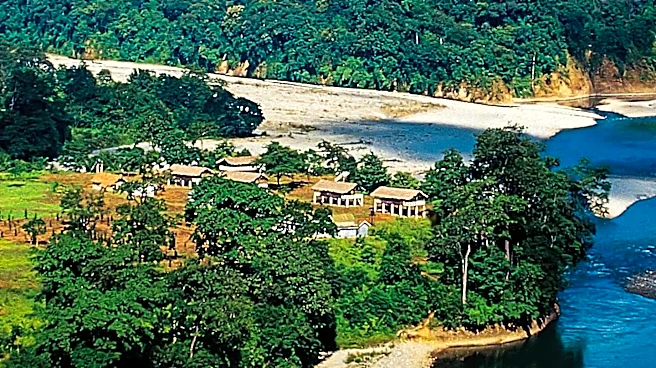
State parks across the United States are emerging as attractive alternatives to the more crowded national parks, offering equally stunning landscapes with fewer visitors. These parks provide a more local and intimate experience, showcasing diverse natural
beauty from the towering redwoods of Humboldt Redwoods State Park in California to the rugged cliffs of Tettegouche State Park in Minnesota. Unlike national parks, state parks often lack the reservation systems and crowded trailheads, allowing for more spontaneous visits. They also offer a variety of recreational activities such as hiking, birdwatching, and camping, making them ideal destinations for nature enthusiasts seeking tranquility and natural beauty.
Why It's Important?
The growing popularity of state parks highlights a shift in public interest towards more accessible and less crowded natural spaces. This trend can alleviate the pressure on national parks, which often face challenges related to over-visitation, such as environmental degradation and strained resources. By promoting state parks, states can boost local tourism and economic development while preserving the natural environment. Additionally, state parks play a crucial role in conservation efforts, protecting diverse ecosystems and wildlife habitats. They offer educational opportunities for visitors to learn about local flora and fauna, fostering a greater appreciation for nature and conservation.