



What's Happening?
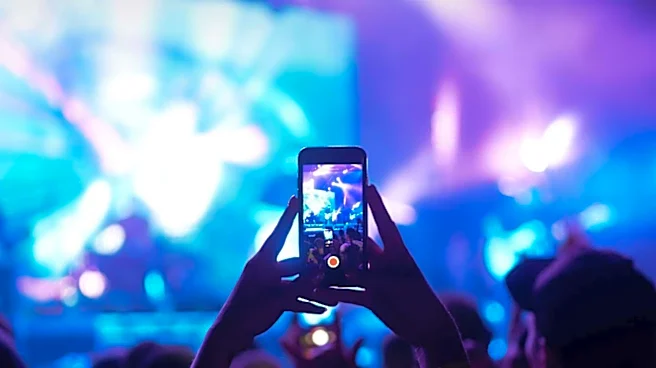
Clubs, bars, and concert venues across the United States are increasingly encouraging or enforcing policies that require attendees to put away or lock their smartphones. This trend, aimed at fostering screen-free gatherings, is gaining traction in various
cities, including North Carolina, Texas, San Francisco, and Philadelphia. For instance, at a queer funk dance party in New York's East Village, security personnel taped over phone cameras to prevent usage. Organizers like funk and soul artist X&ND initiated these events after observing that clubgoers were more focused on filming than dancing. This shift reflects a broader societal exhaustion with constant digital connectivity, with a 2022 Gallup survey indicating that over half of U.S. adults believe they use their smartphones excessively. Researchers, such as Kostadin Kushlev, an associate professor at Georgetown University, have found that phone use during social interactions can diminish enjoyment and that reducing screen time, even briefly, can improve attention and reduce overstimulation.
Why It's Important?
This growing movement to limit smartphone use in social settings carries significant implications for U.S. social dynamics, mental well-being, and the entertainment industry. For individuals, it offers a potential pathway to improved social interactions, deeper engagement in live experiences, and a reduction in the cognitive load associated with constant digital stimulation. The trend addresses concerns about the impact of excessive phone use on mental health, including links to poor sleep and depression. For businesses in the entertainment and hospitality sectors, adopting phone-free policies could differentiate their offerings and attract patrons seeking more authentic and immersive experiences. It also tackles issues like privacy and the fear of unwanted viral content, which can deter people from fully participating in social events. The success of these initiatives could lead to a broader cultural shift, encouraging more mindful technology use in public spaces and potentially influencing future venue design and event planning strategies.
What's Next?
The trend of phone-free zones in U.S. venues is likely to expand as more establishments recognize the benefits of enhanced social interaction and attendee satisfaction. We can anticipate increased adoption of various methods, from voluntary encouragement to stricter measures like phone-locking pouches, in a wider range of social settings beyond just clubs and concerts. This could lead to a competitive advantage for venues that successfully implement these policies, attracting a demographic eager for unplugged experiences. Furthermore, the success of these initiatives may prompt further research into the psychological and social benefits of reduced screen time in public, potentially influencing public health campaigns and educational programs. There might also be a push for technological solutions that facilitate phone-free environments without completely isolating individuals, such as designated phone-use areas or temporary signal blockers. The entertainment industry may also see a rise in events specifically marketed as 'digital detox' experiences.
Beyond the Headlines
Beyond the immediate impact on social gatherings, this trend touches upon deeper ethical and cultural considerations regarding privacy, consent, and the nature of public versus private spaces in the digital age. The fear of being unknowingly filmed and subsequently going viral highlights a growing concern about personal autonomy and the right to privacy in an increasingly surveilled world. By creating phone-free environments, venues are not only enhancing enjoyment but also implicitly re-establishing boundaries around personal space and consent. This movement could also be seen as a form of 'digital resistance,' where individuals and communities actively push back against the pervasive influence of technology to reclaim human connection. It prompts a re-evaluation of how technology mediates our experiences and whether constant documentation detracts from genuine presence and memory formation. The long-term implications could include a redefinition of social etiquette in public spaces and a greater appreciation for unmediated human interaction.