


What's Happening?
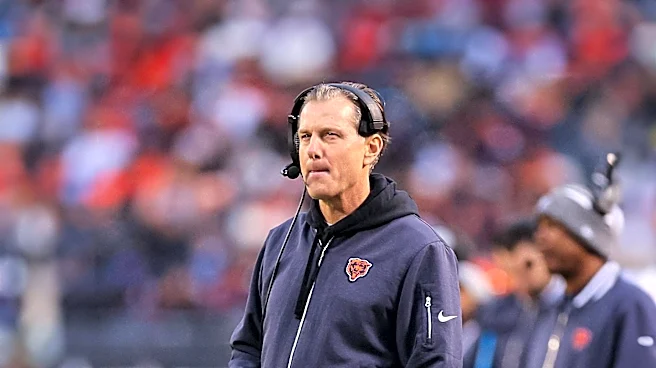
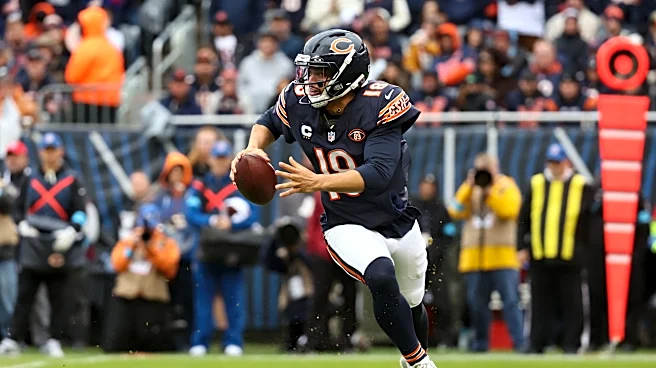
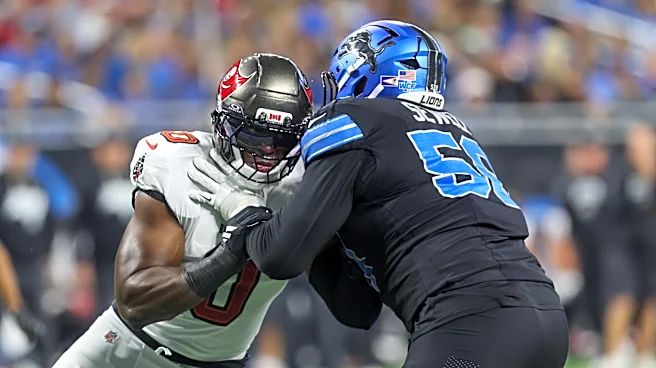
During a Thanksgiving matchup, Detroit Lions head coach Dan Campbell made a critical decision just before halftime against the Chicago Bears. Following a fumble by Bears quarterback Caleb Williams at the 2-yard line, Bears offensive lineman Darnell Wright
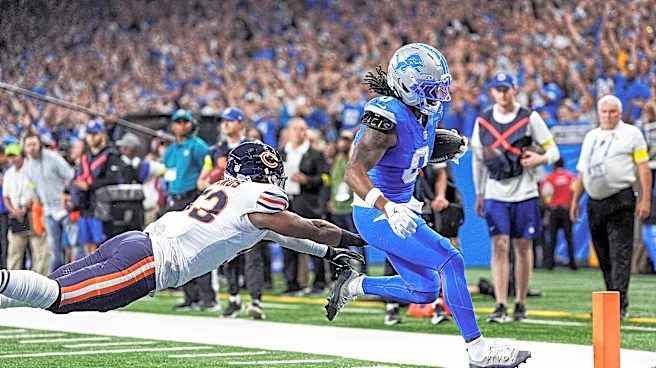
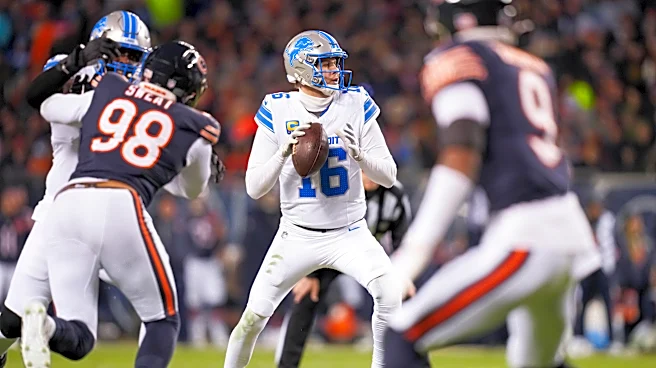
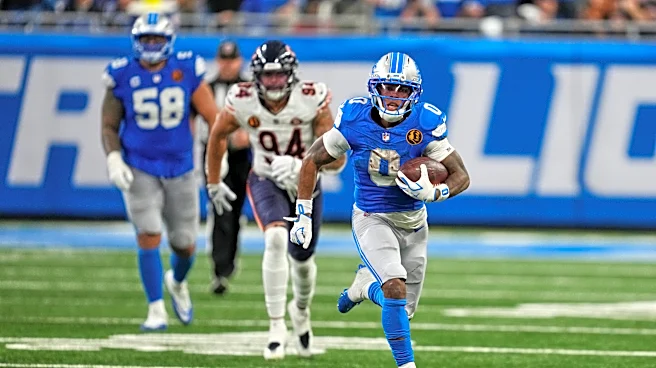
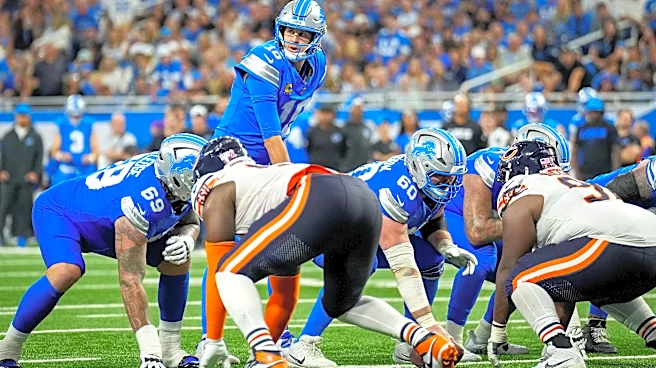
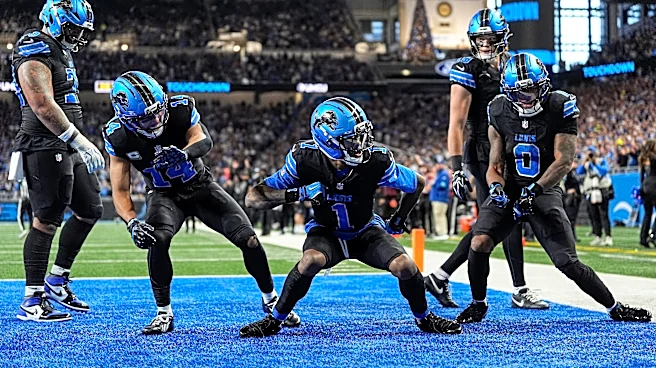
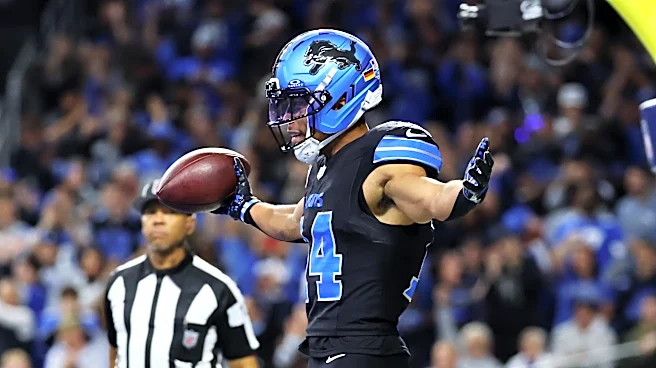
illegally batted the ball out of the end zone, resulting in a penalty. Campbell was faced with a choice: accept the safety, giving the Lions two points and possession, or decline the penalty for better field position. He opted for the safety, giving his team just over a minute to score a touchdown. Despite two consecutive false start penalties that put the Lions in a third-and-12 situation, quarterback Jared Goff led a successful drive. Key plays included an 11-yard reception by Jahmyr Gibbs, a successful quarterback sneak on fourth-and-1, a 39-yard pass to Jameson Williams, and ultimately a touchdown throw to Sam LaPorta. This sequence gave the Lions a 19-10 lead at halftime, though they ultimately lost the game 39-35.
Why It's Important?
Dan Campbell's decision to accept the safety and aim for a touchdown was a high-stakes strategic gamble that showcased aggressive coaching and confidence in his offense. This type of play-calling can significantly impact game momentum and team morale. While the Lions ultimately lost the game, the successful execution of the drive after such a risky decision demonstrated the team's resilience and offensive capability under pressure. The rare 'illegal batting' penalty itself added an unusual element to the game, highlighting the intricacies of NFL rules and how coaches must make split-second decisions based on them. Such bold strategic choices, whether successful or not in the final outcome, often become talking points for analysts and fans, influencing perceptions of a coach's tactical acumen and risk tolerance. It also underscores the importance of situational awareness and clock management in critical game moments, as Campbell cited the number of timeouts remaining as a factor in his decision.
What's Next?
While the immediate outcome of the game was a loss for the Lions, the strategic decision by Dan Campbell and the subsequent successful touchdown drive will likely be analyzed in future game planning and coaching discussions. Coaches often review such high-leverage situations to refine their decision-making processes. For the Lions, the ability to execute under extreme pressure, despite penalties, could serve as a confidence booster for their offense in future close-game scenarios. The rarity of the 'illegal batting' penalty means it's unlikely to be a recurring factor, but the incident serves as a reminder for players to be aware of obscure rules. Moving forward, both teams will focus on their upcoming schedules, with the Bears gaining momentum from their win and the Lions looking to rebound from a tough loss, despite a moment of strategic brilliance. The play will likely be featured in highlight reels and discussions about aggressive coaching strategies throughout the season.
Beyond the Headlines
The sequence involving the illegal batting penalty and Dan Campbell's subsequent decision delves into the psychological aspects of coaching and game theory in professional sports. Campbell's choice to go for the maximum nine-point swing (two for the safety, seven for the touchdown) rather than a more conservative approach reflects a 'go for broke' mentality that can either be lauded as genius or criticized as reckless, depending on the outcome. This type of decision-making can galvanize a team, demonstrating a coach's belief in his players, which can have long-term effects on team chemistry and performance. It also highlights the unpredictable nature of football, where a single, unusual penalty can create a complex strategic dilemma. The incident serves as a case study in risk assessment under pressure, where a coach must weigh probabilities, team capabilities, and game context in real-time, showcasing the blend of intuition and calculated risk that defines high-level sports management.