






What's Happening?
The concept of shamanism is explored as a diverse set of traditions where practitioners engage in ceremonies, healing, and divination to serve their communities. The term 'shaman' originated from a specific Siberian context and has been expanded to describe
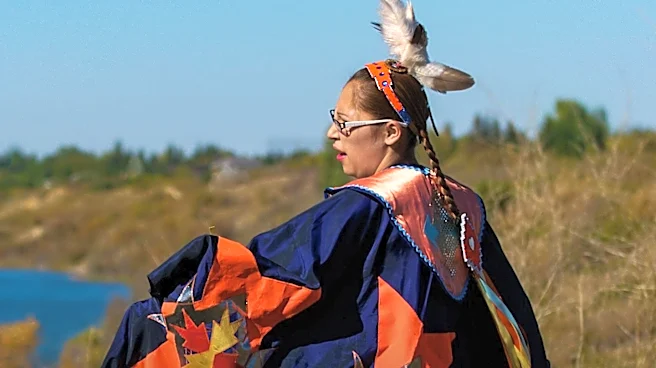
similar roles across various cultures. Shamanism is not a unified global religion but exists within different cultural and religious settings. Practitioners, often seen as ceremonial leaders or healers, are deeply embedded in their cultural contexts, serving as caretakers and guardians of cultural heritage.
Why It's Important?
Understanding shamanism highlights the cultural diversity and the various ways communities engage with spiritual and natural realities. It underscores the importance of respecting cultural contexts and the roles these practitioners play in preserving cultural heritage. This exploration can foster greater appreciation and respect for indigenous practices and the cultural significance they hold. It also challenges the oversimplification of shamanism as a singular global practice, emphasizing the need for cultural sensitivity and awareness.