





What's Happening?
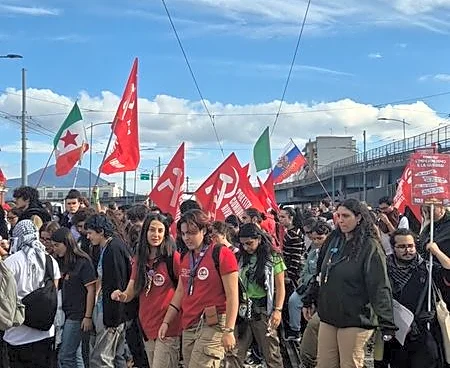
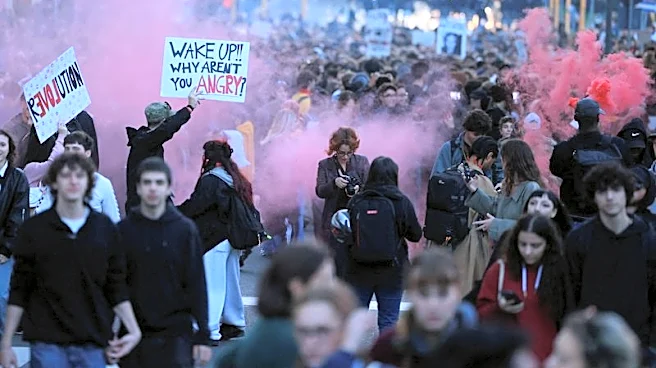
NSS Magazine has reported a subdued week in the fashion industry, noting a lack of significant developments. This quiet period coincides with widespread protests across Italy and France, where young people and workers are demonstrating against rising
living costs and working conditions. The fashion sector, in response, has reportedly focused on safeguarding its assets, such as fortifying store windows in major cities like Paris and Milan, rather than making major announcements or changes in creative leadership. Despite the overall quiet, two notable pieces of news emerged: the confirmed return of Versace Couture, anticipated in January, and the publication of a new Lyst ranking. This ranking identifies the most popular brands and products currently in demand, suggesting a resurgence of 'good taste' in consumer shopping habits, according to the magazine.
Why It's Important?
The subdued activity in the fashion industry, as reported by NSS Magazine, reflects a broader sensitivity to socio-economic unrest in Europe. This cautious approach by fashion houses, prioritizing security over spectacle, indicates a recognition of the current climate where public attention is diverted to more pressing issues like cost of living crises. The return of Versace Couture, a high-profile event, signals a potential boost for the luxury segment, suggesting that despite broader economic concerns, there remains a market for high-end fashion. The Lyst ranking's emphasis on 'good taste' could influence consumer trends and brand strategies, pushing designers and retailers to align with what is perceived as more refined or classic aesthetics. This shift could impact supply chains, marketing efforts, and the overall direction of fashion trends in the coming seasons, potentially favoring established luxury brands over more experimental or fast-fashion labels.
What's Next?
The confirmed return of Versace Couture in January will likely be a significant event for the fashion calendar, potentially drawing considerable media attention and setting trends for the upcoming year. This could signal a renewed focus on traditional luxury and craftsmanship within the industry. Fashion brands will likely continue to monitor the socio-political landscape in Europe, adapting their strategies in response to ongoing protests and economic conditions. The insights from the new Lyst ranking will probably influence product development and marketing campaigns as brands aim to align with consumer preferences for 'good taste.' This could lead to a more conservative approach in collections, emphasizing quality and timeless design. Additionally, the industry may continue to prioritize internal stability and asset protection, potentially delaying major creative director appointments or large-scale brand overhauls until the broader economic and social environment stabilizes.
Beyond the Headlines
The fashion industry's quiet week, set against the backdrop of widespread social unrest, highlights a growing tension between luxury consumption and societal challenges. The decision by fashion houses to fortify stores rather than engage in typical industry fanfare suggests a recognition of public sentiment and a desire to avoid appearing tone-deaf during times of economic hardship for many. This situation could prompt deeper discussions within the industry about its role and responsibility in a world grappling with inequality and economic instability. The emphasis on 'good taste' in the Lyst ranking might also reflect a broader cultural shift towards more conscious consumption, where consumers seek enduring quality and classic styles over fleeting trends. This could have long-term implications for sustainability efforts and the fast-fashion model, pushing the industry towards more ethical and durable production practices.