





What's Happening?
Minimalism, characterized by simplicity, clean lines, and a clutter-free environment, is increasingly recognized as both a lifestyle choice and an aesthetic. This movement, which gained significant attention four years ago with Matt D’Avella’s 'Minimalism'
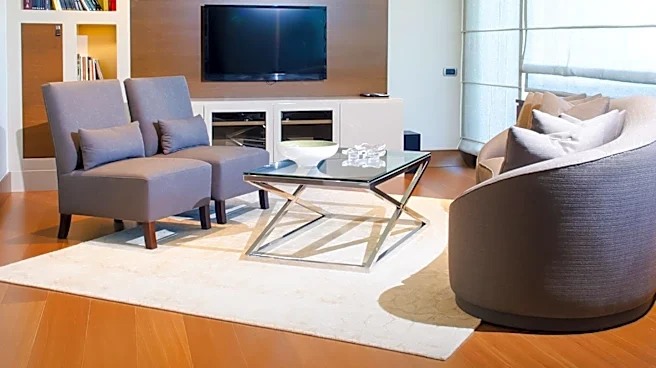
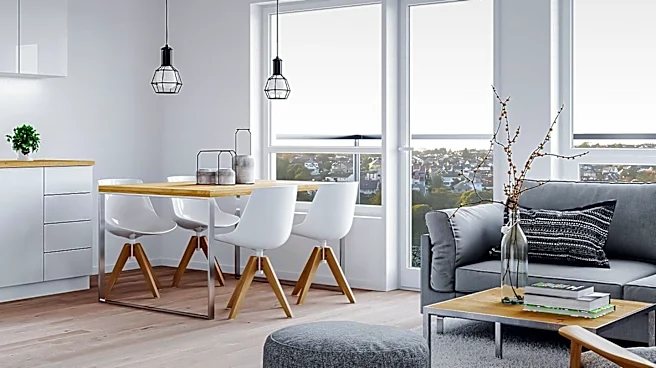
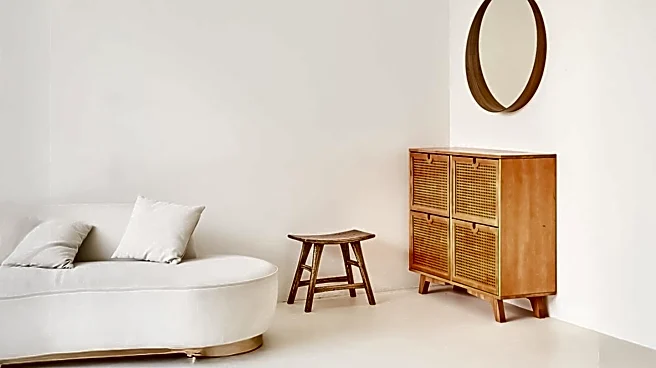
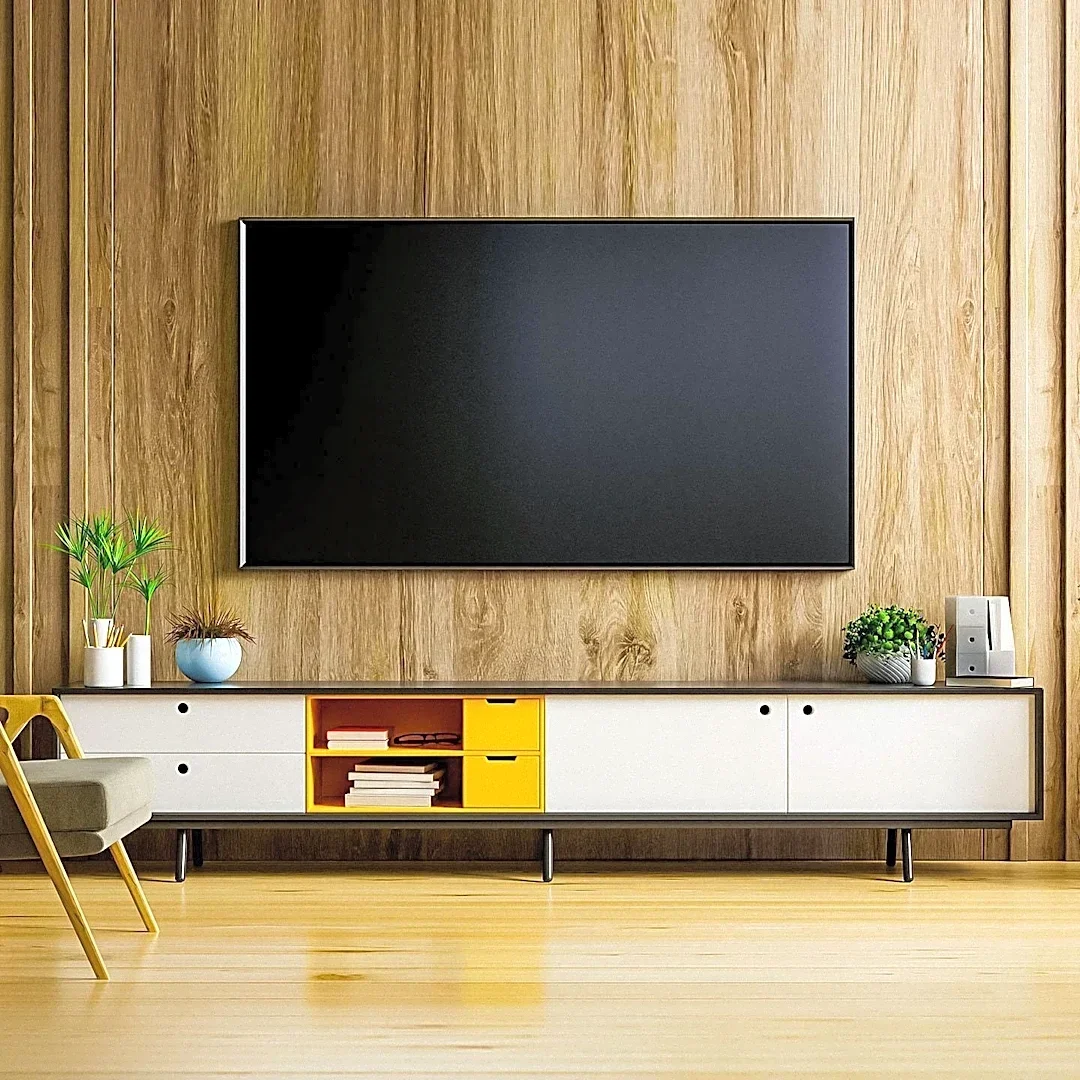
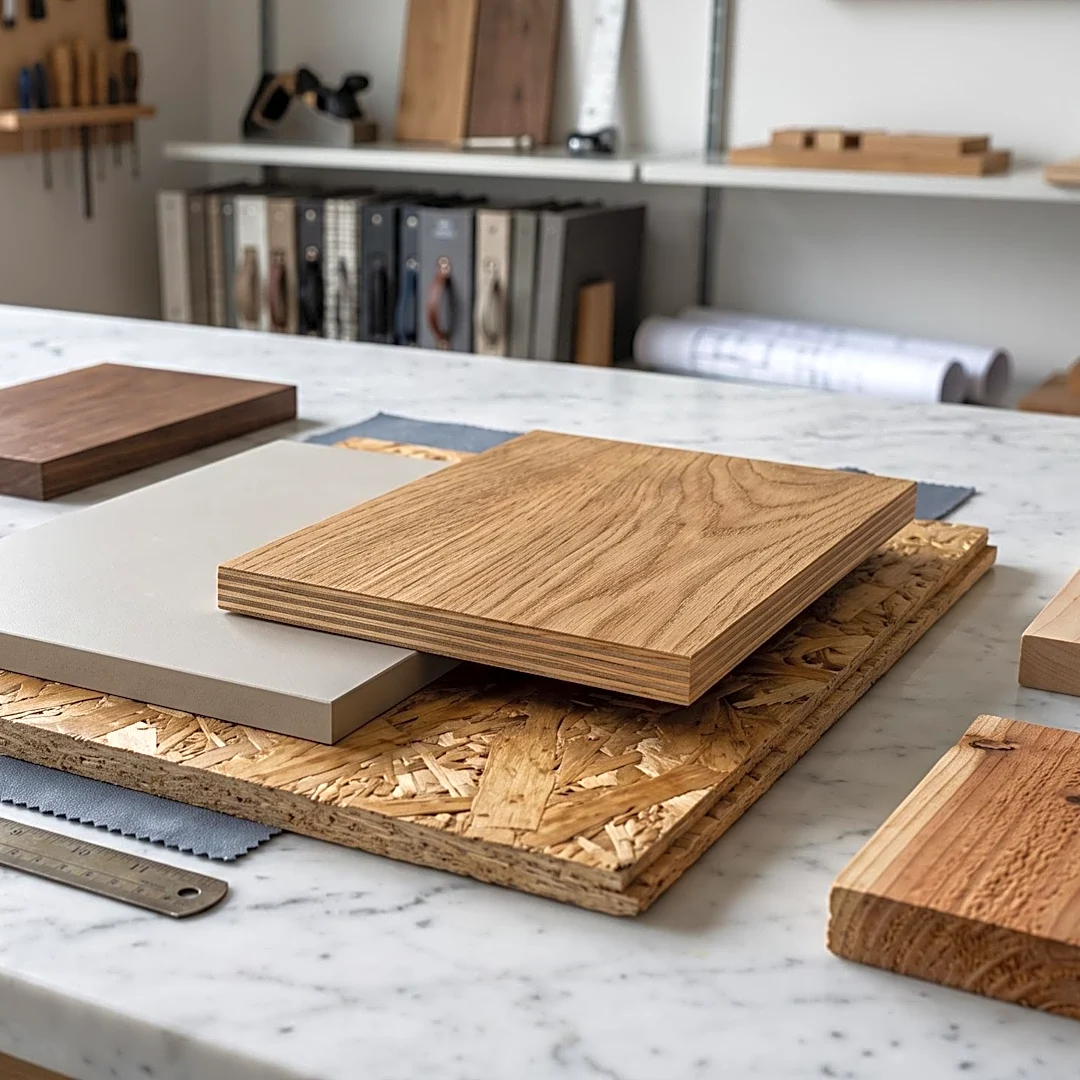
documentary, advocates for making do with less across various aspects of life. In interior design, minimalism promotes relaxation and mindfulness through the deliberate use of neutral colors, natural materials, and functional furniture. An evolving trend, 'eclectic minimalism,' as exemplified by P&S Associates' home design, blends architectural clarity with diverse materials, colors, furniture, and lighting to create living spaces that are both composed and comfortable. This approach moves beyond traditional minimalist interpretations that might equate simplicity with a lack of detail, instead demonstrating how a restrained architectural foundation can accommodate richness and individuality.
Why It's Important?
The growing embrace of minimalism reflects a broader societal shift towards intentional living and away from excessive consumerism. For U.S. consumers, this trend can lead to significant financial savings by encouraging more thoughtful purchasing decisions and reducing the accumulation of unnecessary possessions. In the design and retail industries, it signals a demand for products and services that prioritize durability, functionality, and timeless aesthetics over fleeting trends. Businesses that adapt to this preference for quality over quantity, and for sustainable, well-designed items, are likely to resonate more with a segment of the market seeking long-term value and reduced environmental impact. The emphasis on mindfulness and relaxation in minimalist design also addresses a societal need for calmer, less chaotic environments in an increasingly fast-paced world, potentially influencing urban planning and architectural development towards more serene and functional spaces.
What's Next?
The trajectory of minimalism suggests continued integration into various sectors, from product design to urban development. We can anticipate an increase in demand for minimalist-inspired products, including furniture, apparel, and technology, that emphasize durability, multi-functionality, and sustainable production. The concept of 'eclectic minimalism' is likely to evolve further, offering designers and consumers more flexibility to personalize minimalist spaces while retaining core principles of simplicity and order. This could lead to new design methodologies that balance aesthetic restraint with individual expression. Furthermore, as the lifestyle aspect of minimalism gains more traction, there may be a rise in services and educational content focused on decluttering, mindful consumption, and financial planning aligned with minimalist principles, impacting personal finance and wellness industries.
Beyond the Headlines
Beyond its immediate aesthetic and economic implications, the rise of minimalism touches upon deeper cultural and psychological dimensions. It challenges the prevailing consumerist culture by advocating for a re-evaluation of what truly constitutes value and happiness. This movement encourages individuals to prioritize experiences and relationships over material possessions, potentially leading to a more contented and less stressed populace. Ethically, minimalism often aligns with environmental consciousness, promoting reduced waste and sustainable practices, which could contribute to broader ecological benefits. Culturally, it represents a counter-narrative to the 'more is better' mentality, fostering a greater appreciation for simplicity, craftsmanship, and the intrinsic beauty of functional objects. This shift could influence long-term societal values, encouraging a more deliberate and thoughtful approach to consumption and daily living.