





What's Happening?
Attention Deficit Hyperactivity Disorder (ADHD) manifests differently in women compared to men, posing unique health risks and challenges. Historically, ADHD research has focused on boys, leading to a lack of understanding of how the disorder affects
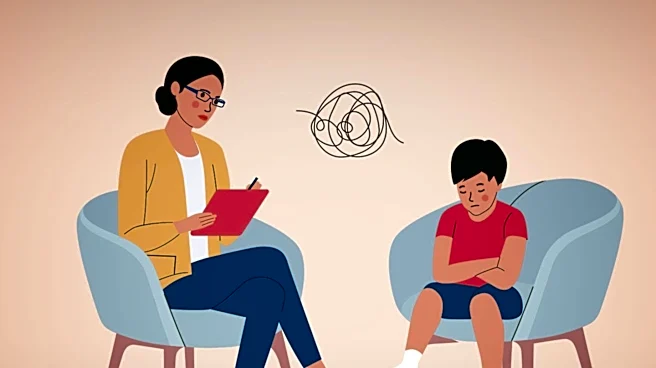
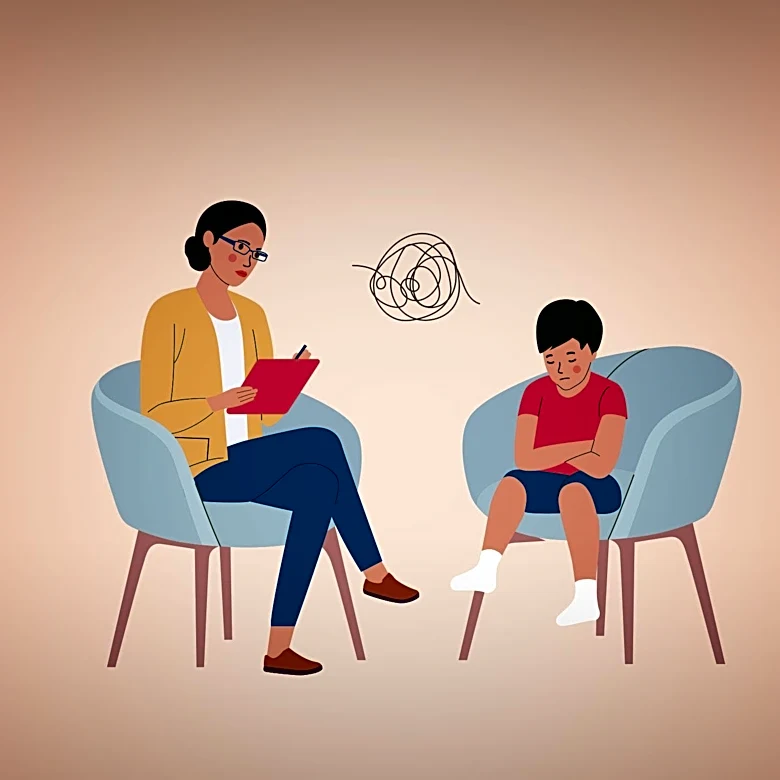
women. Women with ADHD often appear distracted and disorganized rather than hyperactive, leading to later diagnoses, often in adulthood. This delay can result in untreated symptoms that contribute to anxiety, depression, and other health issues. Women with ADHD face higher risks of social and health problems, including difficulties in relationships, higher rates of abuse, and increased likelihood of teen pregnancy. They also have a higher incidence of obesity, eating disorders, and cardiovascular diseases.
Why It's Important?
The recognition of gender differences in ADHD is crucial for improving diagnosis and treatment for women. Untreated ADHD can have significant impacts on women's mental and physical health, affecting their quality of life and increasing healthcare costs. Understanding these differences can lead to better-targeted therapies and support systems, reducing the long-term health risks associated with the disorder. The growing awareness of ADHD in women has led to an increase in diagnoses, highlighting the need for healthcare providers to consider gender-specific symptoms and treatment options. This shift can improve outcomes for women and reduce the stigma associated with ADHD.
Beyond the Headlines
The late diagnosis of ADHD in women often leads to a lifetime of self-doubt and misdiagnosis of other mental health conditions. Addressing ADHD in women requires a comprehensive approach that includes medication, therapy, and lifestyle changes. Cognitive behavioral therapy can help women reframe their self-perception and improve their self-esteem. Hormone replacement therapy may also be beneficial for women experiencing exacerbated symptoms during perimenopause. The societal understanding of ADHD needs to evolve to recognize it as a serious condition that affects both genders differently, necessitating tailored interventions and support.