



What's Happening?
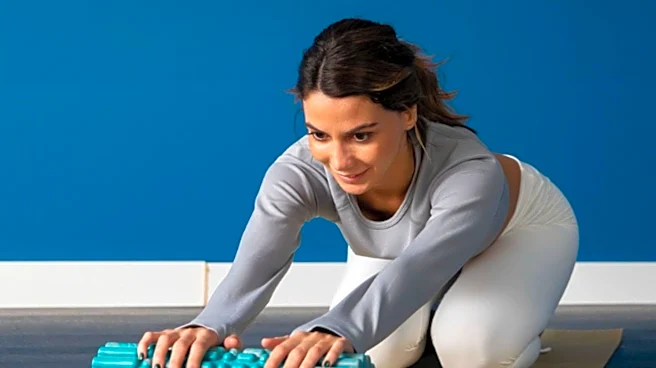
Foam rolling, also known as self-myofascial release, is a technique used to alleviate muscle pain and improve flexibility. It involves using a foam roller to apply pressure to the body's connective tissues, particularly muscles. This method is recommended
for individuals experiencing hamstring pain, as it can help increase blood flow, relax connective tissue, and reduce discomfort. The process is often used in conjunction with other treatments such as deep tissue work and posture correction to address issues like pelvic misalignment, which can contribute to hamstring strain. By focusing on core and glute strength, individuals can potentially reverse compensations that lead to hamstring pain, allowing them to return to activities like running with reduced pain.
Why It's Important?
Foam rolling is significant as it offers a non-invasive, cost-effective method for managing muscle pain and improving physical performance. For athletes and active individuals, maintaining muscle health is crucial for performance and injury prevention. Foam rolling can be integrated into warm-up routines to prepare muscles for exercise, potentially reducing the risk of injury. Additionally, it provides a self-care option that empowers individuals to manage their own pain and recovery, which can be particularly beneficial in reducing healthcare costs and reliance on medical interventions.
What's Next?
Individuals experiencing persistent hamstring pain are encouraged to incorporate foam rolling into their regular exercise routines. Physical therapists may continue to advocate for its use alongside other therapeutic techniques to enhance recovery and performance. As awareness of self-myofascial release grows, more people may adopt foam rolling as a standard practice in their fitness and rehabilitation programs.