




What's Happening?
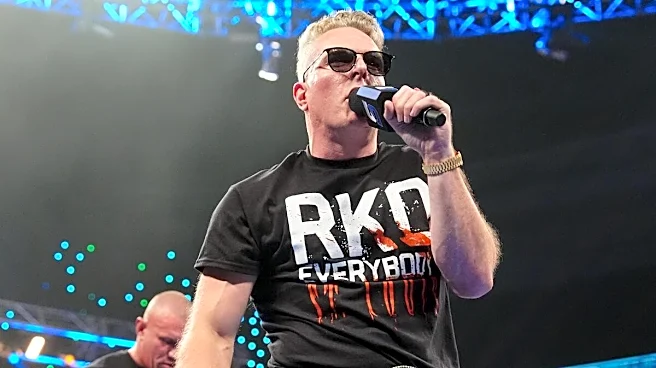
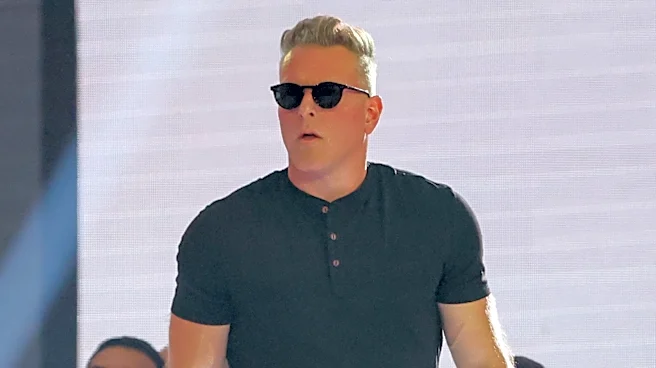
Linda Cohn, a former longtime 'SportsCenter' host who retired from ESPN in June, has publicly criticized the network for what she describes as a 'lovefest' with Pat McAfee. On her self-titled podcast, Cohn expressed concern that ESPN is overexposing McAfee by
giving him numerous roles across its programming. McAfee's expanded presence includes his daily show, 'The Pat McAfee Show,' being added to the 'Monday Night Countdown' roster, and securing a slot for an alternate broadcast of 'Monday Night Football.' Cohn highlighted that this could lead to a 'wall-to-wall McAfee' Monday during the NFL season, in addition to his analyst work on 'College GameDay.' She suggested that viewers might experience 'McAfee fatigue' and pointed to an incident where a tribute to ESPN founder Bill Rasmussen was cut short for McAfee's show, leading to public backlash.
Why It's Important?
This criticism from a veteran ESPN personality like Linda Cohn is significant because it raises questions about the network's programming strategy and its potential impact on viewer engagement. Cohn's remarks suggest a concern within the sports media industry regarding the balance between promoting popular talent and avoiding audience saturation. Overexposure of a single personality, even a popular one, could lead to viewer burnout and potentially alienate segments of the audience who prefer diverse voices or different styles of commentary. This situation also highlights the internal dynamics and potential tensions within large media organizations as they adapt to evolving content consumption habits and talent management. The incident where a tribute was cut short for McAfee's show further underscores the perceived prioritization of certain personalities, which could affect employee morale and public perception of the network's values.
What's Next?
ESPN will likely continue its current strategy with Pat McAfee, given the significant investment and promotional push behind him. However, Cohn's public criticism might prompt internal discussions or adjustments in how McAfee's various roles are integrated to mitigate potential 'overexposure.' Viewers' reactions to the increased McAfee presence during the upcoming NFL season will be a key indicator of whether Cohn's concerns about 'McAfee fatigue' are widespread. The network may monitor audience metrics and social media sentiment closely. Other sports media personalities might also weigh in, potentially sparking a broader debate within the industry about talent management and content strategy in an increasingly competitive landscape. The situation could also influence how ESPN approaches future talent acquisitions and promotions, balancing star power with audience preferences.
Beyond the Headlines
Beyond the immediate programming decisions, this situation touches upon broader trends in media, particularly the rise of personality-driven content and the challenges of maintaining brand loyalty. In an era where individual personalities can command massive followings, networks like ESPN are increasingly investing in talent that can draw audiences across multiple platforms. However, this strategy carries the risk of alienating viewers who prefer traditional formats or a wider array of voices. Cohn's comments also reflect a generational shift in sports broadcasting, where established figures may view newer, more unconventional personalities with skepticism. This dynamic highlights the ongoing tension between traditional broadcasting values and the demands of modern, digital-first content consumption, where authenticity and direct engagement often trump conventional professionalism. The 'lovefest' narrative also raises questions about editorial independence and the influence of star power on programming decisions.