







What's Happening?
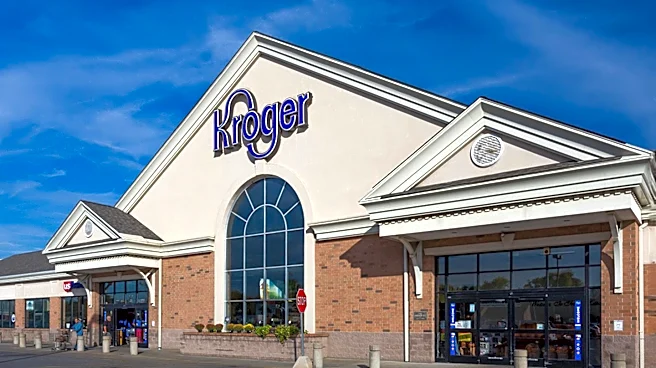
Kroger is actively recruiting for a Certified Pharmacy Technician position in Loveland, Colorado. This entry-level, part-time role focuses on direct patient intervention through health and wellness services. Key responsibilities include supporting company
health and wellness initiatives, adhering to HIPAA regulations, and maintaining national and/or state registration or licensure. The technician will assist pharmacists in all duties not requiring professional judgment, provide customer service, and accurately complete tasks such as reception, data entry, and product dispensing. Additionally, the role involves compounding medications, performing post-fill audits, and supporting non-dispensing services through various platforms. The technician will also complete CLIA-waived screenings and provide other health and wellness services as permitted by state and federal laws. Compliance with sanitation, safety regulations, and reporting illegal activity are also part of the job description. Candidates must have a high school diploma or GED, be at least 18 years old, and possess the ability to handle confidential information.
Why It's Important?
This job opening highlights Kroger's commitment to expanding its health and wellness services within its pharmacy operations. By emphasizing direct patient intervention and a broad range of health-related tasks for pharmacy technicians, Kroger is aligning with a growing trend in the retail pharmacy sector to offer more comprehensive healthcare support beyond traditional prescription dispensing. This approach can enhance customer loyalty by providing accessible health resources and advice, potentially increasing foot traffic and sales for the company. For the healthcare industry, it signifies a continued shift towards utilizing pharmacy staff more extensively in patient care, which could alleviate some burdens on other healthcare providers. For individuals seeking employment, it represents an opportunity in a stable and expanding sector, offering roles that combine customer service with healthcare responsibilities. The focus on compliance with HIPAA and other regulations underscores the critical importance of patient privacy and safety in these evolving roles.
What's Next?
Kroger will continue to recruit and train pharmacy technicians to fill these roles, further integrating health and wellness services into its retail pharmacy model. The successful candidate will undergo training to ensure compliance with all company policies, state, and federal regulations, particularly concerning HIPAA and CLIA-waived screenings. This expansion of services may lead to increased demand for certified pharmacy technicians across Kroger's operations, potentially influencing training programs and certification requirements for these professionals. The company may also explore further avenues for pharmacy technicians to provide additional health services, depending on regulatory changes and community needs. This strategic direction could also prompt competitors in the retail pharmacy space to evaluate and potentially expand their own health and wellness offerings to remain competitive in the evolving healthcare landscape.
Beyond the Headlines
The emphasis on health and wellness services within a retail pharmacy setting reflects a broader societal trend towards preventative care and accessible community health resources. By empowering pharmacy technicians to perform tasks like CLIA-waived screenings and direct patient intervention, Kroger is contributing to a more decentralized healthcare model. This could have significant implications for public health, especially in underserved areas where access to primary care physicians might be limited. The ethical considerations surrounding the scope of practice for pharmacy technicians will become increasingly important, requiring clear guidelines and continuous oversight to ensure patient safety and quality of care. Furthermore, this shift could influence educational pathways for pharmacy technicians, potentially leading to more specialized training programs focused on wellness coaching, health screenings, and patient education. The integration of these services into a retail environment also blurs the lines between traditional retail and healthcare, potentially reshaping consumer expectations for convenience and comprehensive care.