
What's Happening?
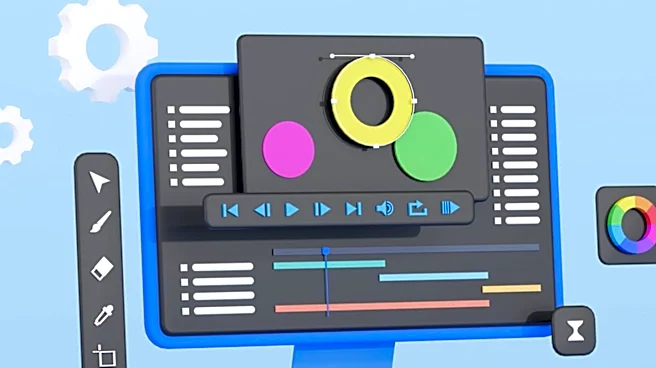
OpusClip is an AI-powered video editing software designed to convert lengthy video content into short, social media-optimized clips. The platform analyzes long videos, such as podcasts or interviews, to generate
10 to 15 vertical clips, complete with features like animated captions, automatic reframing, and AI-generated B-roll. It also provides a 'Virality Score' to predict clip engagement. Users can upload video files or paste YouTube links, and the AI processes the content to produce ready-to-post assets. OpusClip aims to streamline the content repurposing workflow, offering tools for branding, team collaboration, and API integration. The software is noted for its ability to significantly reduce the time required for short-form video production, potentially by up to 80%, while enhancing algorithmic reach on platforms like Instagram and TikTok.
Why It's Important?
The emergence of AI tools like OpusClip is critical for content creators, marketers, and businesses in the U.S. seeking to maintain a strong presence on rapidly evolving social media platforms. With the increasing dominance of short-form video content on platforms like TikTok, Instagram Reels, and YouTube Shorts, efficient content repurposing is no longer a luxury but a necessity. OpusClip's ability to automate the creation of engaging, algorithm-friendly clips allows creators to maximize their reach and engagement without dedicating extensive manual hours to editing. This efficiency gain can lead to increased brand visibility, audience growth, and monetization opportunities for individuals and companies. The 'Virality Score' feature provides data-driven insights, helping users prioritize content that is most likely to resonate with their target audience, thereby optimizing their content strategy and resource allocation.
What's Next?
The continued development and adoption of AI-powered video editing tools like OpusClip are expected to further democratize content creation, making professional-grade video production accessible to a broader range of users. Future iterations may see enhanced AI capabilities, such as more sophisticated content analysis for trend alignment, advanced B-roll generation, and deeper integration with social media scheduling and analytics platforms. As more creators and businesses leverage these tools, the demand for high-quality, short-form video content will likely intensify, pushing platforms to innovate further in their content delivery and engagement mechanisms. The competitive landscape among AI video editing solutions is also expected to grow, leading to more specialized features and potentially more affordable options for users.
Beyond the Headlines
The rise of AI in content creation, exemplified by OpusClip, raises broader questions about the future of human creativity and labor in the digital age. While these tools offer immense efficiency, they also prompt discussions about the authenticity of AI-generated content and the potential impact on traditional video editing roles. There's a delicate balance between leveraging AI for speed and scale, and preserving the unique creative touch that human editors bring. Furthermore, the reliance on 'Virality Scores' and algorithmic optimization could inadvertently lead to a homogenization of content, as creators might prioritize what the AI predicts will perform well over truly innovative or niche ideas. Ethical considerations around AI's role in shaping public discourse through optimized content also warrant attention, particularly concerning the potential for echo chambers or the spread of misinformation, even if unintended.