





What's Happening?
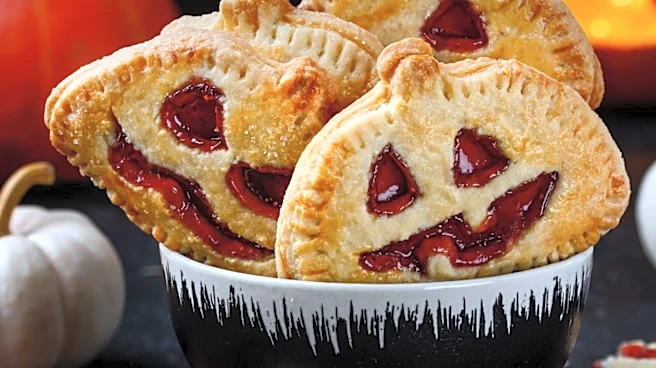
As autumn arrives, pumpkins are highlighted for their nostalgic flavors, which are deeply associated with the season. Whether incorporated into pumpkin spice lattes, baked goods like cake pops, or quick bread, the taste of pumpkin is an integral part
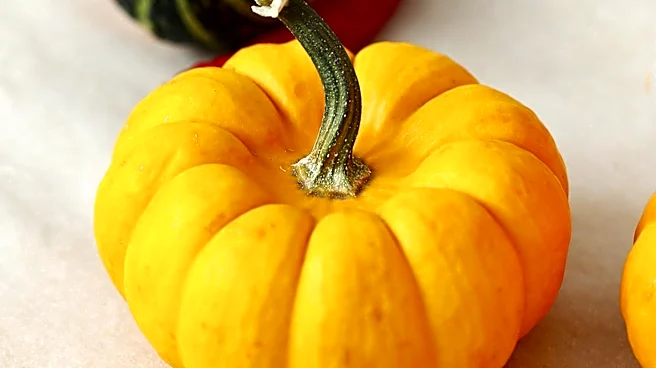
of fall. There are hundreds of pumpkin varieties, including both decorative and edible types. For cooking, experts recommend selecting sweet and dense pumpkins with ample flesh. Soft pumpkin varieties should be avoided for dishes like soup, as they can make the consistency too watery. Instead, harder varieties such as sugar pumpkins (also known as pie pumpkins or sweet pumpkins) or the oblong Long Island Cheese pumpkin are suggested. These varieties have less stringy flesh compared to field pumpkins, resulting in a better texture for culinary applications. Smaller gourds are generally recommended for eating due to their denser flesh, while larger pumpkins are better suited for decorative purposes like carving Jack-O-Lanterns.
Why It's Important?
The emphasis on specific pumpkin varieties for culinary use is important for consumers and the agricultural industry. For consumers, understanding which pumpkins are best for cooking ensures a higher quality and more enjoyable autumnal food experience, preventing watery soups or bland baked goods. This knowledge can guide purchasing decisions at farmers' markets and grocery stores, supporting growers who cultivate these preferred varieties. From an agricultural perspective, promoting specific edible pumpkin types can influence farming practices and market demand, potentially leading to increased cultivation of sugar pumpkins and Long Island Cheese pumpkins. The cultural significance of pumpkin flavors in the U.S. during autumn also drives a substantial seasonal market for pumpkin-related products, impacting food manufacturers, cafes, and bakeries that capitalize on this nostalgic appeal. The distinction between decorative and edible pumpkins also helps manage consumer expectations and reduce food waste by guiding appropriate usage.
What's Next?
Consumers are likely to continue seeking out specific pumpkin varieties for their fall cooking and baking needs, driven by the desire for authentic autumnal flavors. Farmers and retailers may respond by clearly labeling pumpkin varieties suitable for culinary use, making it easier for consumers to make informed choices. Educational initiatives from agricultural extensions and culinary experts could further inform the public about the best pumpkin types for different dishes. The trend of incorporating nostalgic pumpkin flavors into various food and beverage products is expected to persist, with new seasonal offerings appearing annually. This will likely include continued innovation in pumpkin-spiced items and a focus on fresh, locally sourced pumpkins for home cooking. The distinction between culinary and decorative pumpkins will remain a key factor in seasonal marketing and consumer guidance.
Beyond the Headlines
The deep-seated association of pumpkin flavors with autumn in the U.S. goes beyond mere taste; it taps into a powerful sense of nostalgia and tradition. This cultural phenomenon highlights how certain foods become intertwined with seasonal rituals and emotional connections, influencing consumer behavior and market trends. The 'pumpkin spice' craze, for instance, demonstrates the immense commercial power of nostalgic flavors, transforming a seasonal squash into a multi-billion dollar industry. This trend also reflects a broader societal yearning for comfort and familiarity, especially during transitional seasons. The careful selection of pumpkin varieties for cooking underscores a growing appreciation for quality ingredients and culinary precision, moving beyond generic pumpkin usage to a more nuanced understanding of its diverse applications. This attention to detail can elevate home cooking and foster a deeper connection to seasonal produce and agricultural practices.