







What's Happening?
Boeing has revised its 2026 air traffic growth forecast, citing the ongoing conflict in the Middle East as a significant factor. The company now predicts a growth rate of 2.3% for 2026, down from the previously expected 6%. Despite this setback, Boeing anticipates
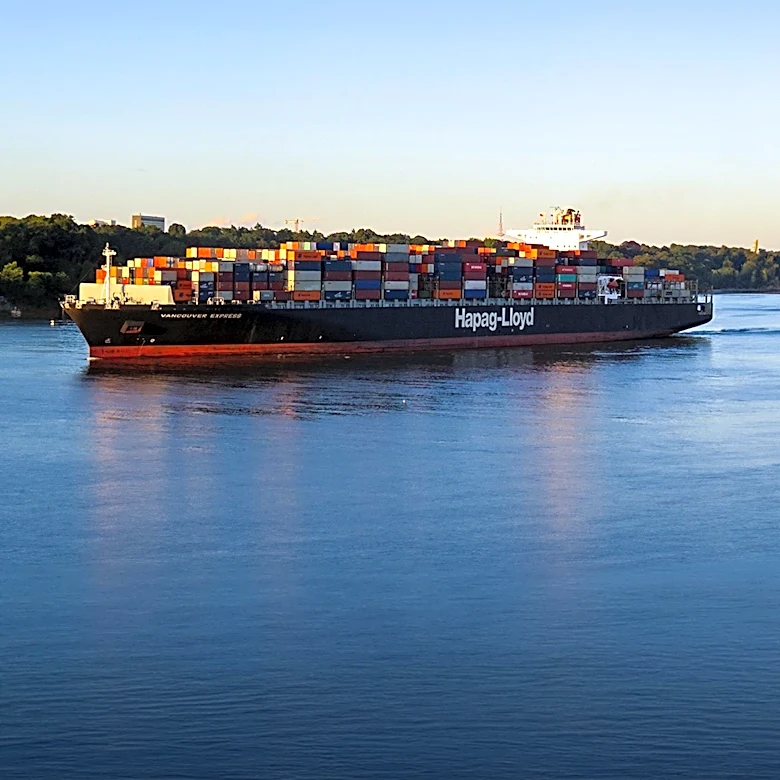
a faster-than-usual recovery, with passenger traffic expected to return to its long-term growth trajectory by the end of 2028. The conflict has also impacted cargo traffic, although it is rebounding faster than passenger traffic. Jet fuel prices have surged, contributing to a projected $23 billion decline in airline net profits compared to 2025. Boeing's long-term forecast includes the delivery of 43,625 aircraft over the next 20 years, with significant demand from regions like China, Eurasia, and North America.
Why It's Important?
The adjustment in Boeing's forecast highlights the broader economic impact of geopolitical conflicts on the aviation industry. The reduced growth rate for 2026 reflects the challenges airlines face, including increased fuel costs and decreased profitability. However, Boeing's optimistic outlook for a recovery by 2028 suggests resilience in the industry. The long-term demand for new aircraft, driven by fleet replacements and growth in emerging markets, underscores the ongoing need for innovation and capacity expansion in the aviation sector. This situation affects various stakeholders, including airlines, manufacturers, and passengers, as they navigate the complexities of a volatile global environment.
What's Next?
Boeing's forecast suggests that while 2026 will be challenging, the industry is poised for recovery in the following years. The company expects accelerated growth in 2027 and 2028, offsetting the setbacks of 2026. This recovery will likely involve increased aircraft production and deliveries to meet the anticipated demand. Airlines may need to adjust their strategies to cope with fluctuating fuel prices and geopolitical uncertainties. The aviation industry will continue to focus on innovation and efficiency to maintain competitiveness and meet the evolving needs of global air travel.