




What's Happening?
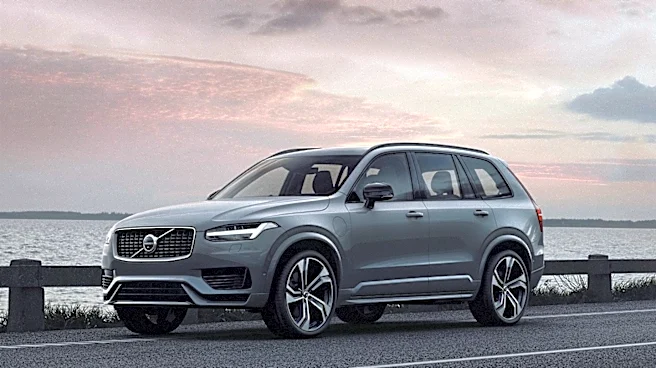
The used car market in the United States shows a significant price variation for the first-generation Volvo XC90, with models fetching anywhere from $1,500 to over $10,000. A specific 2003 Volvo XC90 T6, equipped with a 2.9-liter turbocharged straight-six
engine producing 268 hp, recently sold for $6,255 on Cars&Bids. This particular vehicle had 65,600 miles, a clean Carfax report, and 52 service records, indicating good maintenance history. Despite some minor cosmetic flaws like chips, scratches, and hail damage, as well as a missing rear wiper bolt cover and broken fuel filler door latch, the car was considered a good value. The first-generation XC90, produced between 2002 and 2014, shares its platform with other Volvo models like the XC70 and S80. Its durability has earned it a reputation for being 'built like a tank,' contributing to its continued presence in the used car market.
Why It's Important?
The broad price spectrum for used Volvo XC90s highlights the diverse segments within the U.S. used car market, catering to various budgets and preferences. For consumers, this means opportunities to acquire a premium mid-size SUV at a significantly lower cost than new models, with well-maintained older vehicles still offering considerable value. The sale of the 2003 XC90 T6 for $6,255 demonstrates that vehicles over two decades old can still command a respectable price, especially if they have a clean history and are perceived as reliable. This trend also impacts dealerships and resellers, who must accurately assess the condition and market demand for older premium vehicles to price them competitively. The longevity and perceived robustness of models like the XC90 can influence consumer trust in a brand's engineering and build quality, potentially driving interest in both new and used offerings from Volvo.
What's Next?
The continued demand for older, well-maintained premium SUVs like the Volvo XC90 suggests that the used car market will likely remain robust for such vehicles. Consumers looking for value and durability may increasingly turn to these older models as new car prices continue to rise. Dealers might focus more on sourcing and certifying older premium vehicles to meet this demand, potentially leading to specialized inventory and service offerings for these segments. Furthermore, the performance of these older models in the secondary market could influence manufacturers' long-term design and engineering strategies, emphasizing durability and longevity as key selling points. The market will continue to see fluctuations based on vehicle condition, mileage, and specific model year features, with well-preserved examples likely to retain higher values.
Beyond the Headlines
The enduring appeal of the first-generation Volvo XC90 in the used market points to a broader consumer shift towards valuing durability and proven reliability over solely focusing on the latest technology or features. This trend could signify a growing consciousness among U.S. car buyers about the lifecycle and sustainability of their vehicles. The 'built like a tank' reputation of older Volvos suggests a cultural appreciation for robust engineering that withstands the test of time, contrasting with a more disposable consumer culture. This also raises questions about the long-term environmental impact of vehicle manufacturing, as extending the life of existing vehicles can reduce the demand for new production. The market for these older, dependable vehicles might also foster a community of enthusiasts and specialized mechanics, further supporting their longevity and value.