





What's Happening?
Martha Stewart, the renowned trendsetter and homemaker, recently shared her strong opinions on gardening practices, specifically expressing her aversion to artificial elements. In an interview with House Beautiful, Stewart stated that while she doesn't
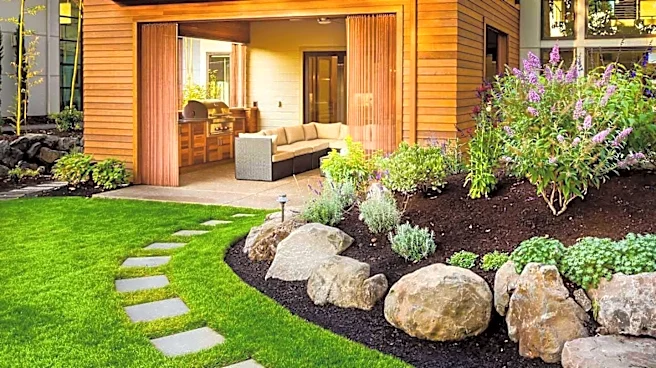
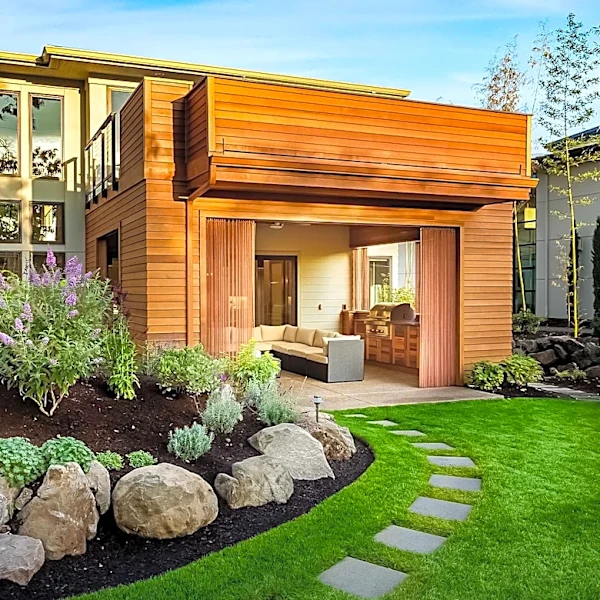
'hate anything' and believes people can garden as they wish, she dislikes 'fakery in a garden,' including plastic and black or red mulch. Her preference is for natural, beautiful plants, emphasizing a 'no-fuss garden design' across her properties. Stewart's homes, including a farm in Bedford, New York, and an estate in Maine called Skylands, are known for their naturalistic garden aesthetics. Her Bedford farm, for instance, features a cabbage patch, Japanese maples, and rose beds, serving as a sanctuary for her animals and housing her 'cluttercore kitchen.' Skylands boasts a more refined gardenscape with lilies, rudbeckias, and snapdragons.
Why It's Important?
Martha Stewart's stance on gardening trends holds significant weight within the lifestyle and home improvement industries. As a prominent figure with multiple eponymous home lines and a history of influencing consumer preferences, her public disapproval of artificial elements like black mulch could impact product sales and gardening practices across the U.S. Consumers who follow her advice or admire her aesthetic may be swayed to avoid such products, potentially leading to a shift in demand towards more natural and sustainable gardening solutions. This could benefit companies specializing in organic gardening products or natural landscaping materials, while those producing artificial mulches or plastic garden decor might see a decline in interest. Her emphasis on 'no-fuss' and natural designs also reinforces a broader movement towards environmental consciousness and authenticity in home and garden aesthetics, influencing how Americans approach their outdoor spaces.
What's Next?
Following Martha Stewart's public comments, it is plausible that gardening enthusiasts and consumers will increasingly scrutinize the use of artificial materials in their gardens. Retailers and garden centers might observe a shift in consumer preferences, potentially leading to a decrease in demand for black or red plastic mulches and an increase in interest for natural alternatives like wood chips or compost. Manufacturers of gardening products may respond by innovating and promoting more environmentally friendly and natural options to align with evolving consumer tastes. Additionally, other lifestyle influencers and gardening experts might weigh in on the debate, further shaping public opinion and potentially accelerating a trend towards more naturalistic and sustainable gardening practices across the United States. Her continued sharing of her natural garden designs on social media platforms like Instagram will likely reinforce these preferences among her extensive following.
Beyond the Headlines
Martha Stewart's critique of artificial gardening elements, particularly black mulch, touches upon deeper cultural and aesthetic values in American home and garden design. Her preference for 'natural, beautiful, wonderful plants' and a 'no-fuss' approach reflects a desire for authenticity and a connection to nature, which stands in contrast to more manufactured or overtly decorative gardening styles. This perspective can be seen as part of a broader societal trend towards sustainability and environmental awareness, where consumers are increasingly seeking products and practices that are perceived as more 'real' and less harmful to the environment. The term 'cluttercore,' used to describe her kitchen, also suggests an embrace of lived-in, imperfect spaces over sterile, overly curated ones, indicating a shift in aesthetic ideals that values comfort and character over pristine perfection. This could influence not only gardening but also interior design and lifestyle choices, promoting a more organic and less consumerist approach to home aesthetics.