


What's Happening?
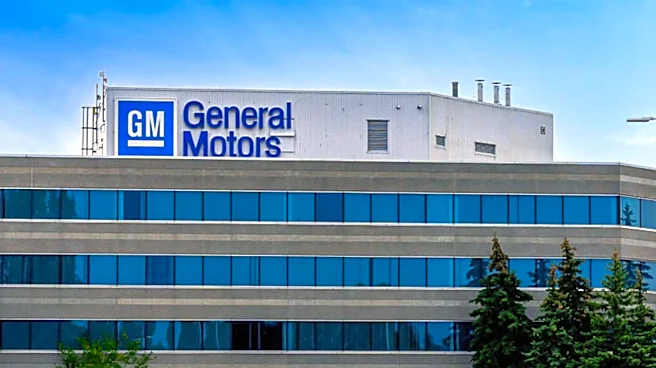
General Motors (GM) has received two 'Brands That Matter' awards from Fast Company, acknowledging both its historical legacy and its forward-looking initiatives. Chevrolet, a GM brand, was honored in the 'U.S.' category for its significant cultural impact,
purpose, and community engagement within the domestic market. Chevrolet, established 125 years ago, was recognized for its iconic status, presence in pop culture, and its ability to cultivate loyal customers across generations with products ranging from the Corvette to pickup trucks and SUVs. Additionally, GM Energy, established in 2022, was recognized in the 'On the Rise' category, which highlights businesses operating for zero to four years that demonstrate impact or cultural presence beyond their age. GM Energy has been instrumental in developing a more accessible public charging infrastructure and pioneering vehicle-to-home bidirectional technology, allowing electric vehicles to serve as home backup power sources during outages. This recognition follows a successful awards season for GM, which also saw the 2027 Chevrolet Corvette lineup earn three Top Gear US Car Awards and the Corvette ZR1X named to Wards 10 Best Engines & Propulsion Systems for 2026.
Why It's Important?
This recognition underscores General Motors' dual strategy of leveraging its established brand heritage while aggressively pursuing innovation in emerging sectors like electric vehicle technology and energy solutions. The 'Brands That Matter' awards highlight GM's success in maintaining relevance and cultural impact in the U.S. automotive market through Chevrolet, a brand deeply embedded in American culture. Simultaneously, the 'On the Rise' award for GM Energy signals the company's significant progress and potential in the rapidly evolving electric vehicle and sustainable energy landscape. This dual recognition is crucial for GM as it navigates the transition from traditional internal combustion engine vehicles to an electrified future. It demonstrates to investors, consumers, and stakeholders that GM is not only a leader in its traditional market but also a credible and impactful player in new, high-growth areas. The development of vehicle-to-home and vehicle-to-grid energy solutions by GM Energy could also have broader implications for energy independence and grid stability, offering consumers practical benefits during power outages and potentially contributing to a more resilient energy infrastructure.
What's Next?
General Motors is expected to continue its focus on both its legacy brands and its innovative ventures like GM Energy. The company will likely further develop and expand its public charging infrastructure and vehicle-to-home (V2H) and vehicle-to-grid (V2G) technologies, aiming to integrate electric vehicles more deeply into residential and national energy systems. The ongoing success of Chevrolet, particularly with models like the Corvette and Colorado, suggests continued investment in these popular segments while simultaneously pushing forward with electrification. The recognition from Fast Company could enhance GM's brand reputation, potentially attracting more customers to its electric vehicle offerings and energy solutions. Future developments may include broader adoption of V2H bundles and PowerShift Chargers, making home backup power from EVs more commonplace. GM's engagement in organizing a movement toward vehicle-to-grid energy indicates a long-term vision to contribute to the power grid, which could lead to policy discussions and collaborations with utility providers to facilitate this integration.
Beyond the Headlines
The recognition of GM Energy's vehicle-to-home and vehicle-to-grid technologies points to a significant shift in how consumers might perceive and utilize their electric vehicles. Beyond mere transportation, EVs are increasingly becoming integral components of home energy management systems, offering resilience during power outages and potentially contributing to grid stability. This development could foster greater energy independence for households and reduce reliance on traditional fossil fuel generators. The broader implications extend to urban planning and infrastructure development, as cities and utilities will need to adapt to a future where vehicles are not just energy consumers but also potential energy suppliers. This also raises questions about data privacy and security related to vehicle-to-grid interactions and the regulatory frameworks needed to govern such systems. The cultural impact of Chevrolet, as highlighted by the award, also underscores the enduring power of brand loyalty and heritage in a rapidly changing automotive landscape, suggesting that while innovation is key, a strong foundation of consumer trust and recognition remains vital for long-term success.