
What's Happening?
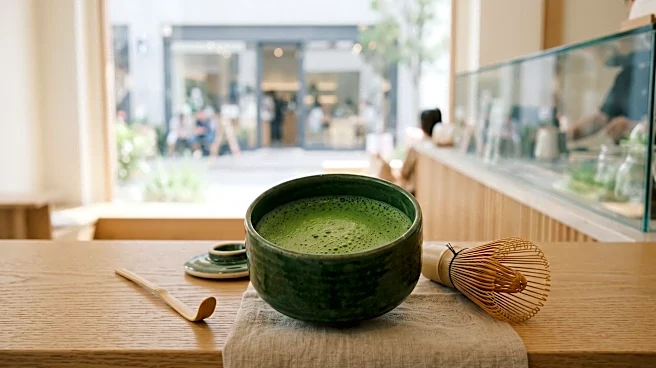
Al Thiqa Restaurants Company in Kuwait is actively recruiting a Barista with specialized skills in preparing matcha-based beverages. This hiring initiative indicates a growing demand for matcha products
within the Kuwaiti market, suggesting an expansion of beverage offerings by the company. The role requires expertise in crafting various matcha drinks, highlighting a focus on specialized beverage preparation rather than general coffee services. This move by Al Thiqa Restaurants Company reflects a strategic effort to cater to evolving consumer preferences and potentially introduce new, health-conscious or trendy beverage options to its clientele. The emphasis on a 'Matcha Specialist' underscores the company's commitment to quality and authenticity in its matcha offerings, aiming to provide a distinct experience for customers seeking these specific beverages. The recruitment drive is a direct response to market trends and consumer interest in unique and specialized drink menus.
Why It's Important?
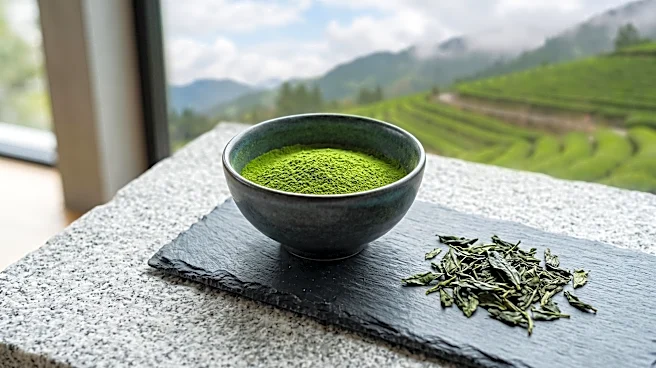
This recruitment drive by Al Thiqa Restaurants Company for a Matcha Specialist in Kuwait is significant as it signals a broader trend in the food and beverage industry towards specialized and niche offerings. The increasing demand for matcha, a traditional Japanese green tea, reflects a global shift in consumer preferences towards healthier and more exotic beverage options. For businesses, investing in specialized roles like a 'Matcha Specialist' can enhance brand image, attract a diverse customer base, and create a unique selling proposition in a competitive market. This trend could influence other U.S. and international restaurant chains to diversify their menus with similar specialized items, potentially leading to new product development and market segmentation strategies. The success of such specialized roles could also inspire culinary schools and training programs to incorporate more niche beverage preparation techniques, fostering a new generation of specialized baristas and chefs. This move highlights the importance of adapting to changing consumer tastes and leveraging unique ingredients to drive business growth and customer loyalty.
What's Next?
Following the successful recruitment of a Matcha Specialist, Al Thiqa Restaurants Company is likely to launch or expand its range of matcha-based beverages. This could involve introducing new menu items, special promotions, or even dedicated matcha bars within their existing establishments. The company might also invest in marketing campaigns to educate consumers about the health benefits and unique flavors of matcha, further driving demand. Competitors in the Kuwaiti food and beverage market may observe Al Thiqa's strategy and potentially follow suit, leading to a wider availability of matcha products across the region. This could also spur innovation in matcha-related products, such as matcha-infused desserts or savory dishes. The long-term impact could see matcha becoming a more mainstream beverage option in Kuwait, influencing import trends for high-quality matcha powder and related ingredients. The success of this initiative could serve as a case study for other companies looking to introduce specialized beverage programs.
Beyond the Headlines
The focus on a Matcha Specialist by Al Thiqa Restaurants Company points to a deeper cultural and economic trend: the globalization of niche culinary traditions. Matcha, once primarily a Japanese ceremonial drink, is now gaining traction worldwide, driven by its perceived health benefits and unique flavor profile. This trend reflects a growing consumer sophistication and an openness to international cuisines and ingredients. Ethically, the sourcing of high-quality matcha can have implications for sustainable farming practices and fair trade, particularly if demand continues to surge. Legally, there might be a need for clearer labeling and quality standards as matcha products become more widespread. Culturally, the integration of matcha into mainstream menus can lead to a fusion of culinary traditions, creating new taste experiences and potentially influencing dietary habits. This development underscores how global culinary trends can shape local economies and consumer behavior, fostering a more diverse and interconnected food landscape.