



What's Happening?
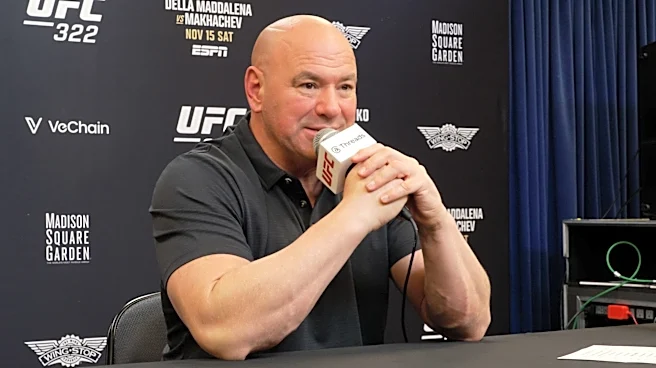
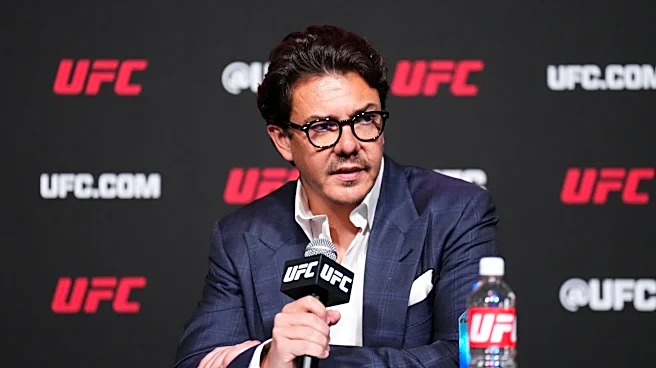
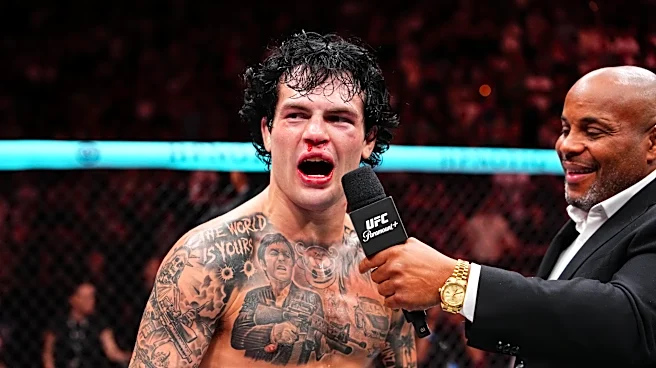
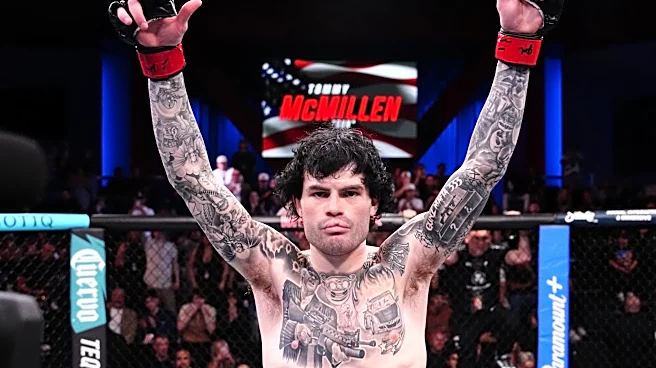
UFC CEO Dana White has commented on the recent hospitalization of rising UFC star Tommy McMillen, expressing his concern and hoping the incident serves as a 'huge wake-up call' for the fighter. McMillen was reportedly found unresponsive in a Scottsdale,
Arizona, nightclub on November 8, with white powder around him, leading officers to administer Narcan. Despite the serious nature of the incident, McMillen's coach, Tim Welch, and McMillen himself have since posted on social media indicating he is recovering and back to training. White learned of the incident online and described it as 'horrible,' acknowledging McMillen's rapid return to training as 'incredible' but emphasizing the need for the young fighter to address his lifestyle.
Why It's Important?
This incident highlights the significant pressures and challenges faced by young athletes in high-profile sports like the UFC, particularly concerning their personal conduct outside the octagon. Dana White's public statement underscores the UFC's concern for its fighters' well-being and the potential impact of off-field issues on their careers and the sport's image. For Tommy McMillen, this event could be a pivotal moment, potentially affecting his future opportunities and public perception. It also brings to light the broader issue of athlete welfare and the support systems available to help them navigate the demands of fame and performance, especially when dealing with personal struggles.
What's Next?
Following Dana White's comments, Tommy McMillen will likely face increased scrutiny regarding his lifestyle choices. While he has reportedly returned to training, the UFC may monitor his situation more closely. This incident could prompt discussions within the UFC about implementing or reinforcing support programs for fighters dealing with personal issues. For McMillen, the immediate future will involve demonstrating a commitment to his career and making positive changes to his personal life to regain full trust and support from the organization and fans. His coaches, Tim Welch and Sean O'Malley, who previously acknowledged McMillen's 'pivotal point' in his career, will likely play a crucial role in guiding him forward.
Beyond the Headlines
The situation with Tommy McMillen extends beyond a single incident, touching upon the ethical responsibilities of sports organizations towards their athletes. It raises questions about the balance between a fighter's personal freedom and the organization's interest in maintaining a positive public image and ensuring athlete safety. The use of Narcan in this context also highlights the ongoing opioid crisis and its potential impact across various segments of society, including professional sports. This event could serve as a catalyst for broader conversations within the sports community about mental health, substance abuse, and the comprehensive support systems needed to protect athletes from the pitfalls that can accompany sudden fame and intense pressure.