


What's Happening?
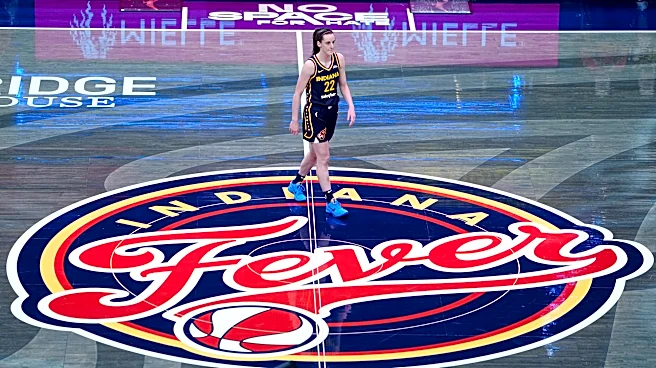
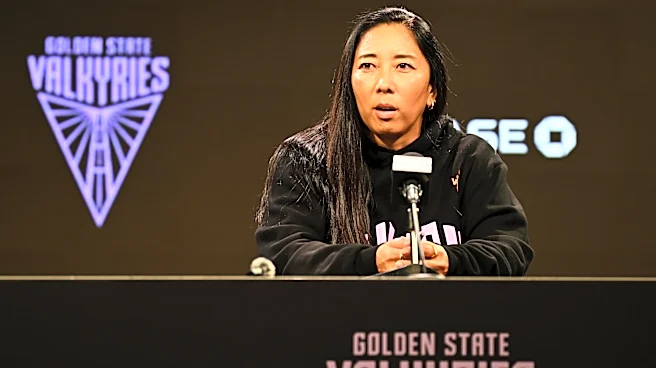
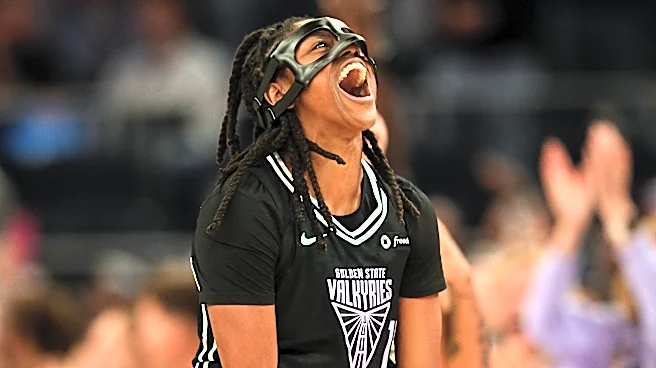
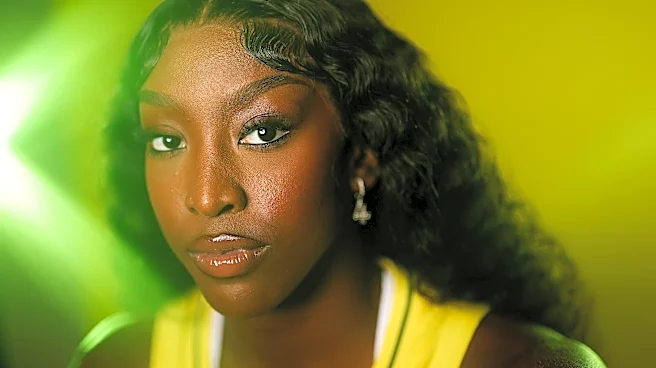
Gabby Williams, the WNBA Finals MVP for the Golden State Valkyries, recently shared her perspective on Caitlin Clark's impact and role within the WNBA. During an appearance on CNBC Sport, Williams addressed the ongoing conversation about whether Clark needs
protection in the league. Williams stated that Clark likely wouldn't ask for protection and is a competitive athlete, similar to others in the league. She emphasized that the growth of the WNBA has allowed multiple stories and talented players to receive recognition. Clark's presence has significantly influenced the league, leading to improvements such as private/charter flights for teams and increased player salaries. Despite the scrutiny and pressure Clark faces, Williams believes Clark is embracing her role as a prominent figure in the WNBA.
Why It's Important?
This discussion highlights the evolving landscape of the WNBA and the significant impact of individual players like Caitlin Clark on its growth and public perception. The league's advancements, such as improved travel conditions and higher salaries, are directly linked to increased viewership and commercial interest, partly driven by Clark's popularity. Williams' comments underscore a broader narrative within professional sports regarding player competitiveness, media scrutiny, and the responsibility that comes with being a league's 'face.' Her perspective, as a Finals MVP, offers an insider's view on how players perceive these dynamics, emphasizing the collective benefit of increased attention on the league while acknowledging the unique pressures on its most visible stars. This conversation is crucial for understanding the internal and external pressures shaping the WNBA's future.
Beyond the Headlines
The dialogue surrounding Caitlin Clark and her treatment in the WNBA extends beyond mere sports commentary, touching upon broader themes of media representation, gender dynamics in professional sports, and the commercialization of athletic talent. The 'protection' narrative often arises in discussions about prominent female athletes, sometimes reflecting underlying societal expectations or biases. Williams' assertion that Clark is a competitive athlete who doesn't seek special treatment challenges this narrative, promoting an image of resilience and equality among professional players. This also sheds light on the ethical considerations of how media and fans engage with athletes, particularly those who achieve rapid fame. The WNBA's growth, fueled by figures like Clark, also prompts questions about equitable distribution of newfound wealth and opportunities across all players, ensuring that the league's success benefits the entire ecosystem.