





What's Happening?
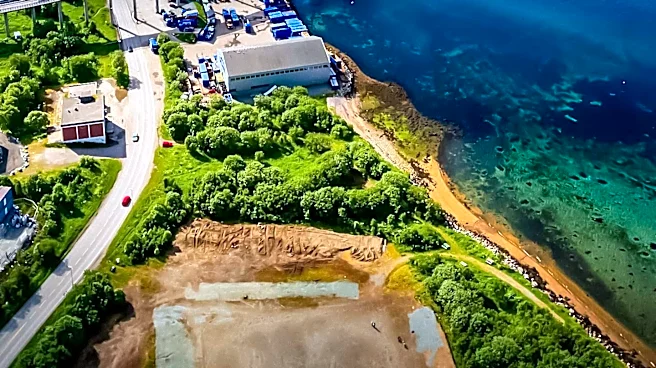
The remote Arctic island of Sommarøy, located an hour from Tromsø, Norway, has symbolically declared itself a 'time-free zone.' Its approximately 300 residents have removed their watches, choosing to live by the natural light cycles rather than traditional
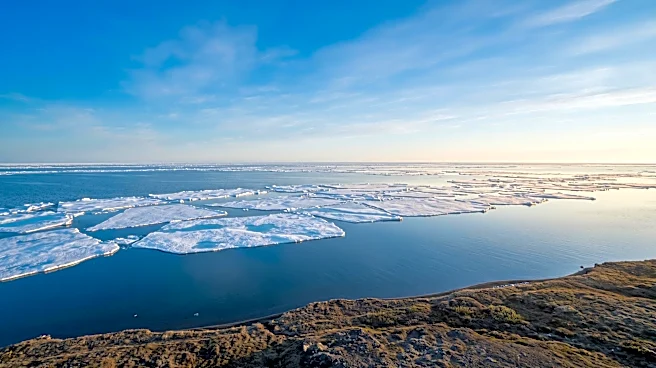
clocks. This initiative, launched in 2019, reflects a long-standing way of life on the island, where the sun remains above the horizon for 69 consecutive days in summer (Midnight Sun) and below the horizon for over 70 days in winter (Polar Night). During the Midnight Sun, activities like children playing soccer and neighbors gathering for coffee occur at 2:00 a.m., as daylight persists. Conversely, the Polar Night, from November to January, brings soft hues of blue, pink, and violet to the sky, offering prime conditions for viewing the Northern Lights. The island, once focused on cod fishing, has transitioned into a sustainable tourism destination, attracting visitors seeking untouched natural beauty and a unique understanding of time.
Why It's Important?
The 'time-free zone' concept in Sommarøy highlights a growing global interest in alternative lifestyles and sustainable tourism, offering a stark contrast to the fast-paced, schedule-driven modern world. This unique approach to daily life, dictated by natural light rather than artificial timekeeping, could influence discussions around work-life balance, mental well-being, and the impact of constant connectivity. For the tourism industry, Sommarøy presents a model for attracting visitors interested in immersive cultural and environmental experiences, moving beyond conventional sightseeing. The island's focus on sustainable tourism also aligns with increasing consumer demand for eco-conscious travel options. This shift could inspire other remote communities to leverage their unique natural phenomena and cultural practices to create distinct identities and economic opportunities, while also prompting a broader societal reflection on the arbitrary nature of time and its influence on human behavior and productivity.
What's Next?
Sommarøy is expected to continue attracting travelers seeking its unique 'time-free' experience and natural phenomena like the Midnight Sun and Northern Lights. The Sommarøy Arctic Hotel in Tromsø serves as a key accommodation, integrating visitors into the island's landscape. Future developments may include further enhancements to sustainable tourism infrastructure and activities, catering to a growing demographic of travelers interested in disconnecting from rigid schedules. The island's symbolic gesture could also inspire other communities globally to explore similar initiatives, fostering a broader conversation about the role of time in modern society. As awareness of Sommarøy's lifestyle spreads, there may be increased academic and sociological interest in studying the long-term effects of living without conventional time constraints on community well-being and social structures.
Beyond the Headlines
The 'time-free zone' in Sommarøy delves into profound philosophical and psychological implications regarding human perception of time and its impact on daily life. By consciously rejecting conventional timekeeping, the residents challenge the societal construct of time as a universal, rigid framework. This experiment in living by natural light cycles rather than clocks suggests a potential for reduced stress and enhanced well-being, as individuals align their activities with their biological rhythms and environmental cues. It raises questions about the artificial pressures imposed by modern schedules and the potential benefits of a more fluid, nature-driven existence. The island's transformation from a fishing community to a sustainable tourism hub also underscores the evolving relationship between human societies and their natural environments, highlighting how unique ecological conditions can shape cultural practices and economic development in innovative ways.