



What's Happening?
A new trend in travel, known as 'slow travel,' is gaining popularity among individuals seeking more meaningful and less stressful experiences. This approach encourages travelers to extend their stays in single locations, fostering deeper connections with
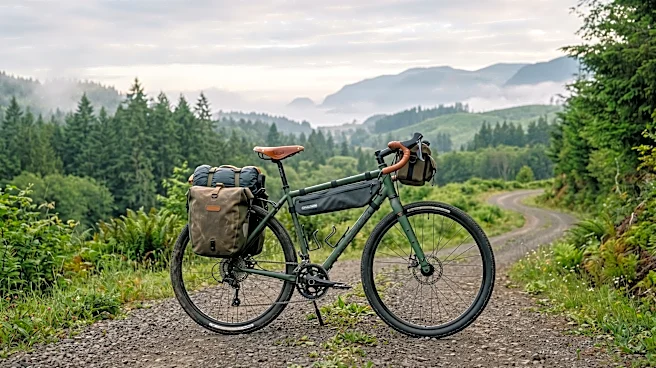
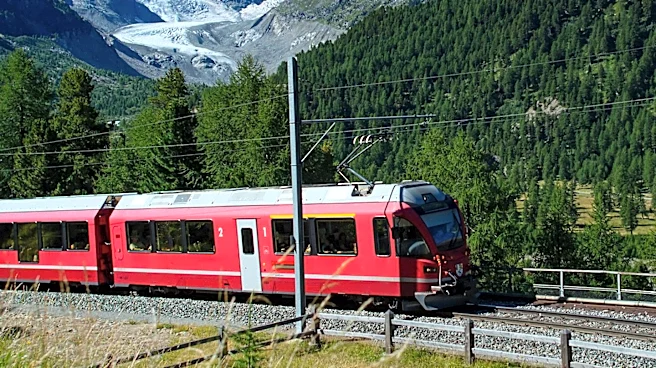
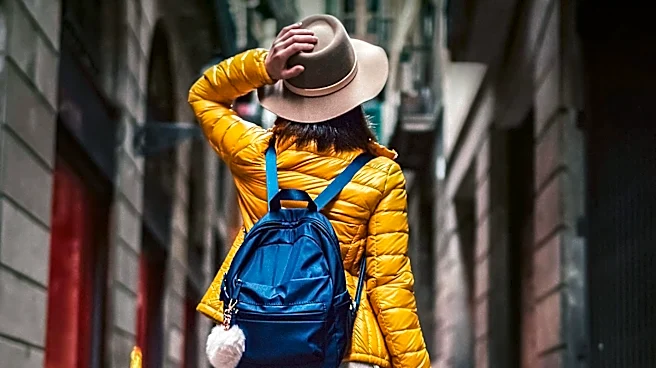
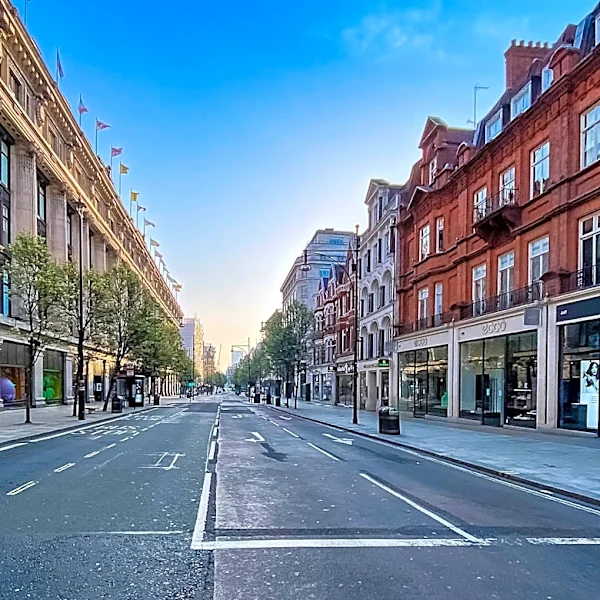
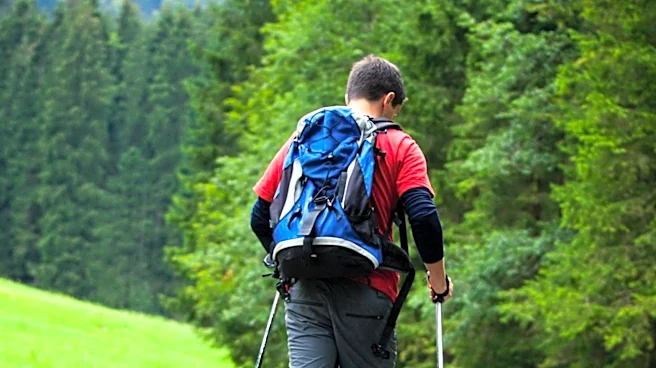
the local culture and environment. Unlike traditional fast-paced tourism that often involves packed itineraries and rapid movement between multiple destinations, slow travel emphasizes quality over quantity. It allows for a more relaxed pace, enabling travelers to observe landscapes, architecture, and local communities more thoroughly. This method often involves modes of transport like walking and cycling, which provide a balance between movement and opportunities for discovery. The core principle is to engage with a destination beyond its surface attractions, transforming a trip into an immersive experience rather than a checklist of sights.
Why It's Important?
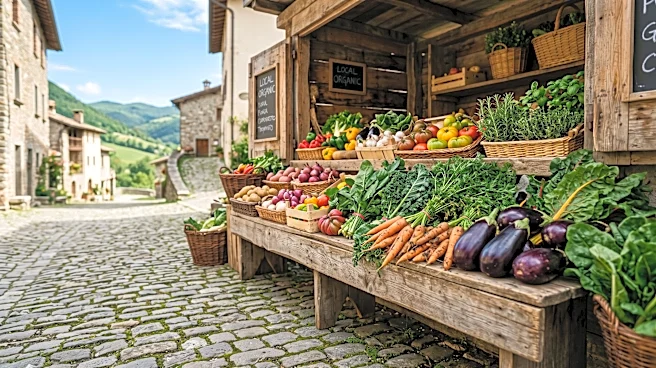
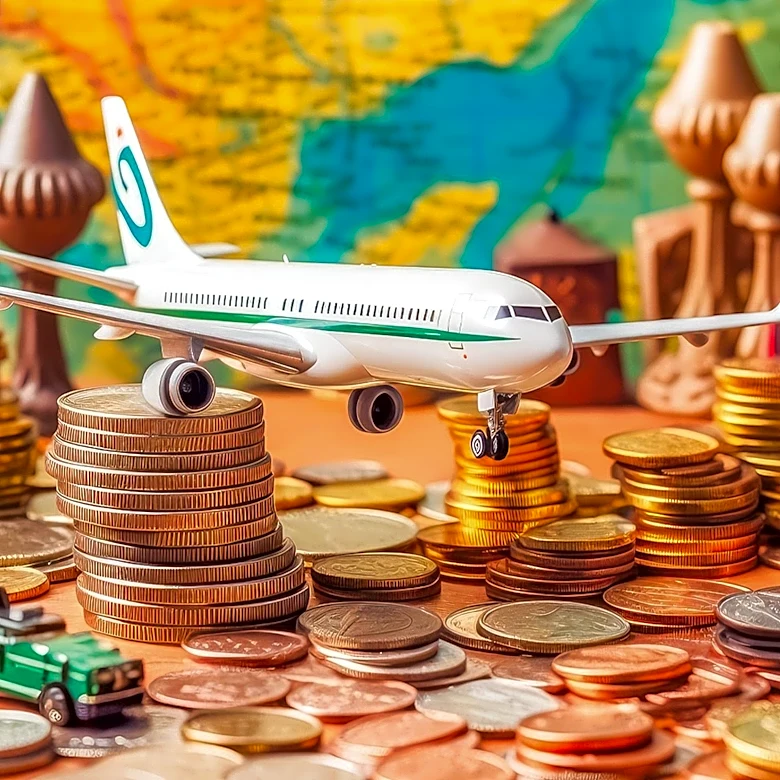
The rise of slow travel signifies a shift in consumer preferences within the tourism industry, moving away from high-volume, rapid-fire itineraries towards more experiential and sustainable options. This trend has significant implications for local economies, as slow travelers are more likely to spend money at local businesses, including family-owned restaurants, guesthouses, and cultural enterprises, rather than international chains. This shift can create a more balanced and beneficial relationship between tourists and host communities, reducing the negative impacts of mass tourism such as congestion and noise, while fostering more thoughtful participation. For travelers, it offers a way to reduce stress, gain a deeper understanding of different cultures, and return home feeling more refreshed and fulfilled, rather than exhausted.
What's Next?
As slow travel continues to grow, the tourism industry may see an increased demand for longer-stay accommodations, local guided experiences, and sustainable transportation options. Destinations that can cater to this preference for immersive, authentic experiences are likely to attract a growing segment of travelers. This could lead to the development of more community-based tourism initiatives and a greater emphasis on cultural exchange programs. Travelers may also increasingly seek out destinations that offer opportunities for active engagement, such as local workshops or volunteer activities, further integrating them into the fabric of the places they visit. The focus will likely remain on creating itineraries that allow for flexibility, spontaneity, and genuine connection with the local way of life.
Beyond the Headlines
The philosophical underpinnings of slow travel extend beyond mere vacation planning, reflecting a broader societal desire for mindfulness and intentional living. In an increasingly fast-paced world, slow travel offers a counter-narrative, encouraging individuals to 'do less with greater awareness.' This approach can lead to a more profound personal transformation, as travelers learn to observe, question, and connect on a deeper level. It challenges the consumerist notion of travel as a product to be consumed quickly, instead framing it as a process of learning and personal growth. Furthermore, the emphasis on sustainability within slow travel highlights a growing ethical consciousness among consumers, pushing the industry towards more environmentally and socially responsible practices. This movement could inspire a re-evaluation of how we engage with the world, both at home and abroad.