








What's Happening?
As summer crowds dissipate, various East Coast beaches from Maine to South Carolina are highlighted as ideal destinations for late-summer and fall travel. These locations offer diverse experiences, ranging from classic boardwalk entertainment to serene,
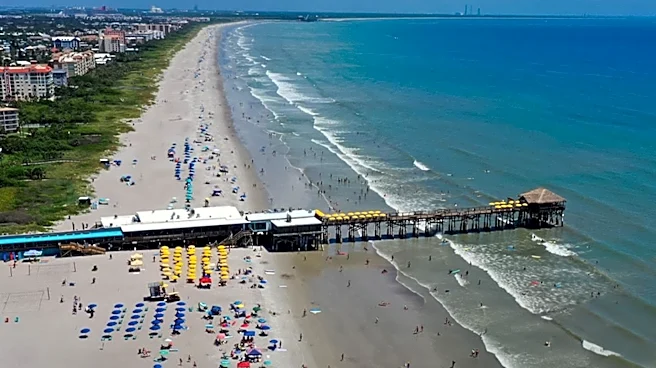
undeveloped coastlines. For instance, Ogunquit Beach in Maine provides a blend of sandy shores, walkable towns, and seafood, while Rockaway Beach in Queens, New York, offers an accessible ocean escape via public transportation. Ocean City, New Jersey, maintains its appeal with traditional boardwalk activities. Further south, Cape Henlopen State Park in Delaware combines beach time with biking and historical exploration, and Assateague Island National Seashore in Maryland is known for its wild horses and undeveloped Atlantic shoreline. Cape Charles Beach in Virginia, situated on the Chesapeake Bay, is noted for its shallow, calm waters, making it suitable for families with young children. Sandbridge Beach, Virginia, offers a quieter, more residential alternative to the bustling Virginia Beach Oceanfront. For those seeking remote adventures, Cape Lookout National Seashore in North Carolina provides a wild stretch of coastline accessible primarily by ferry. Finally, Hunting Island State Park in South Carolina combines beaches with maritime forests, trails, and a historic lighthouse. Each location offers unique attractions and considerations for visitors, including parking, lifeguard schedules, and accessibility.
Why It's Important?
The promotion of post-summer beach travel on the East Coast is significant for the tourism and hospitality industries in these regions. By extending the travel season beyond the peak summer months, these destinations can mitigate the economic impact of seasonal fluctuations, supporting local businesses, restaurants, and accommodations. This strategy helps to sustain employment and revenue in coastal communities, which often rely heavily on tourism. For travelers, the availability of less crowded beaches in the late summer and fall offers a more relaxed and potentially more affordable experience, enhancing the overall appeal of these destinations. The diverse offerings, from family-friendly activities to remote natural escapes, cater to a broader range of preferences, potentially attracting different demographics of tourists. This shift in focus also highlights the importance of local infrastructure and services, such as public transportation access for Rockaway Beach or ferry services for Cape Lookout, in supporting regional tourism initiatives.
What's Next?
Travelers planning to visit these East Coast beaches in the late summer or fall should anticipate varying conditions and services. It is crucial to check official websites for each destination to confirm current information regarding swimming access, lifeguard schedules, parking rules, and fees, as these can change outside the peak season. For locations like Ogunquit Beach, parking can be a significant consideration, with daily rates potentially high, suggesting that early arrival or staying within walking distance might be beneficial. In Ocean City, New Jersey, beach tags are required for visitors aged 12 and older during specific periods. For more remote destinations like Cape Lookout National Seashore, advance planning, including ferry reservations and bringing essential supplies, is strongly recommended. Additionally, visitors should be aware of potential environmental factors, such as mosquitoes at Assateague Island or erosion at Hunting Island State Park, which could affect their experience. The continued promotion of these destinations will likely focus on their unique post-summer advantages, such as fewer crowds and cooler weather, to attract visitors.
Beyond the Headlines
The emphasis on post-summer travel to East Coast beaches reflects a broader trend in the tourism industry to de-seasonalize popular destinations. This approach not only helps to distribute tourist traffic more evenly throughout the year but also encourages a more sustainable model of tourism by reducing the strain on resources during peak times. From an environmental perspective, visiting beaches outside the busiest periods can lead to less human impact on fragile coastal ecosystems. Culturally, it allows visitors to experience these locations in a different light, often with a greater sense of local authenticity due to fewer transient crowds. The variety of beaches highlighted, from urban-accessible spots to remote natural preserves, also underscores a growing demand for diverse travel experiences that cater to different interests, whether it's historical exploration, wildlife viewing, or simply a quieter retreat. This trend could lead to further development of off-season amenities and events, enriching the local economies and offering more nuanced travel opportunities.