



What's Happening?
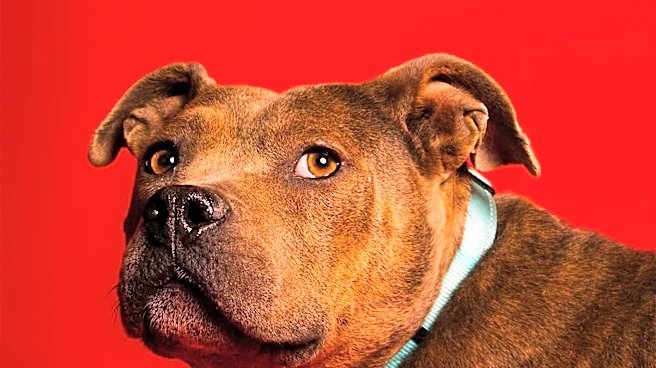
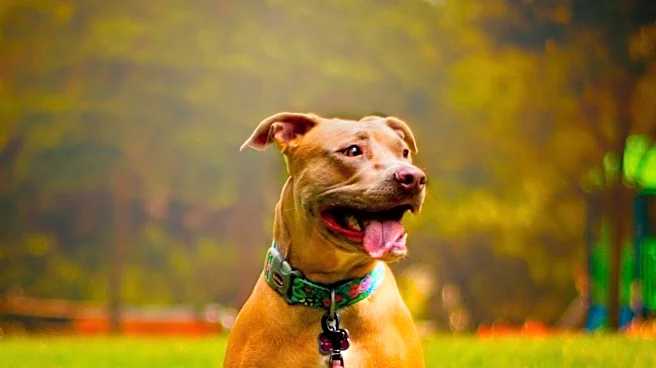
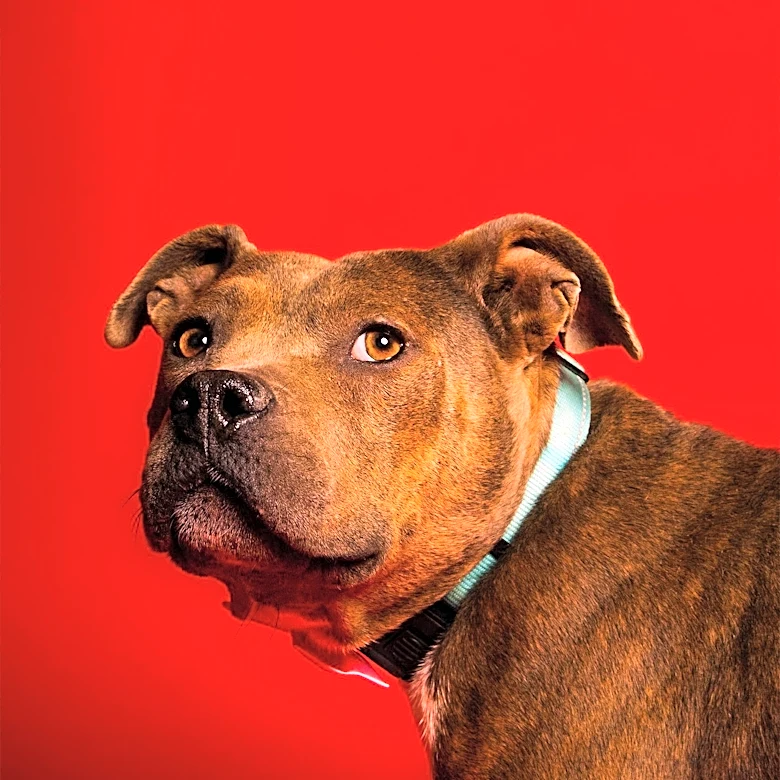
The Pitsky, a crossbreed between an American Pit Bull Terrier and a Siberian or Alaskan Husky, is gaining recognition as an energetic and affectionate companion dog in the United States. This designer dog typically stands 20 to 25 inches tall and weighs
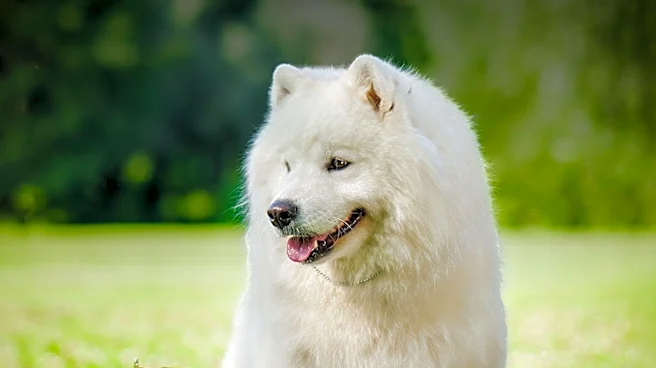
between 30 to 80 pounds, with a lifespan of 12 to 15 years. Its appearance can vary significantly, with puppies inheriting a random mix of genes from both parents. Features can include a broad head, a long muzzle, and eyes that may be blue, brown, or heterochromatic. The coat can range from short and dense like a Pit Bull's to long and thick like a Husky's, and shedding is moderate to high. While not recognized by major kennel clubs, the Pitsky can be registered with the Dog Registry of America (DRA). Most Pitskies are first-generation crosses, often resulting from accidental matings, making them common in shelters.
Why It's Important?
The rise in popularity of the Pitsky highlights a growing trend in the U.S. pet industry towards designer dog breeds, often sought for specific combinations of traits from their parent breeds. For potential owners, understanding the Pitsky's characteristics is crucial due to its high energy levels and need for consistent training and socialization. The breed's potential to inherit health issues from both parent breeds, such as hip dysplasia, hypothyroidism, heart disease, and various eye problems, underscores the importance of responsible breeding practices and health screenings. Furthermore, the Pitsky's strong prey drive and potential for stubbornness mean it is not ideal for first-time dog owners, emphasizing the need for experienced individuals who can provide adequate exercise and mental stimulation. Its common presence in shelters also points to the challenges of managing crossbreeds without established breed standards.
What's Next?
Prospective Pitsky owners are advised to thoroughly research the breed's needs and consider adopting from shelters or rescues, where adult dogs' temperaments and physical traits are already established. If purchasing a puppy, it is recommended to choose a breeder who conducts health tests on both parents and allows prospective buyers to meet them. Due to the Pitsky's high energy and potential for escape, secure fencing and consistent leash training are essential. Ongoing socialization from puppyhood is critical to ensure the dog gets along with other pets and people. Additionally, potential owners should be aware of local regulations and rental or insurance restrictions concerning Pit Bull-type dogs, as these can impact ownership.
Beyond the Headlines
The Pitsky's emergence as a popular crossbreed reflects broader societal shifts in pet ownership, moving beyond traditional purebreds to embrace unique genetic combinations. This trend raises questions about the ethics of designer breeding, particularly when many Pitskies end up in shelters due to owners being unprepared for their specific needs. The varying appearance and temperament within the breed also challenge conventional notions of breed standards and predictability. The Pitsky's affectionate nature and loyalty, combined with its athletic build, make it a compelling choice for active individuals or families, but its demanding care requirements underscore the importance of education and responsible pet ownership to prevent abandonment and ensure the well-being of these animals.