






What's Happening?
Steven Rodriguez, a Colombian restaurateur, has successfully expanded his plantain-centric restaurant concept, Oh! My Plantain, in Utah. After opening his first location in South Salt Lake last November, he recently launched a second outlet in Riverton
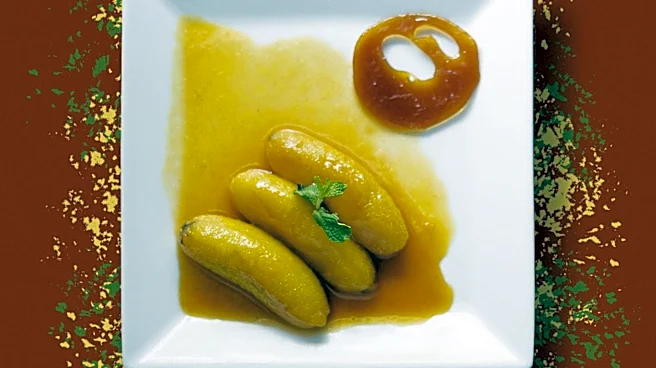
in late August. Rodriguez, originally from Bogota, Colombia, identified a niche in the U.S. market for a restaurant solely dedicated to plantains, a staple in Colombian and other Latin American and Caribbean diets. While plantains are common in these regions, they are less prevalent in the United States. His restaurants offer a diverse menu where plantains are the star ingredient, transformed into various dishes such as patacones (plantain bases topped with various ingredients), plantain lasagna (using plantain layers instead of pasta), plantain burgers (with plantain dough buns), and marranitas (fried plantain dough balls with fillings). Rodriguez emphasizes that all plantains are imported from Colombia and processed in-house, along with homemade sauces, ensuring authenticity and quality. The venture has attracted both Latin American customers familiar with plantains and others eager to try new culinary experiences.
Why It's Important?
This expansion signifies a growing trend in the U.S. food industry towards greater culinary diversity and the introduction of less common international ingredients. For the Latino community in Utah and beyond, Oh! My Plantain offers a taste of home and a cultural connection through food, as plantains are described as a 'shared cultural language.' For the broader American public, it provides an opportunity to explore new flavors and expand their palates beyond mainstream offerings. The success of Oh! My Plantain demonstrates the viability of niche markets within the restaurant sector, particularly those that cater to specific cultural foods or dietary preferences. It also highlights the entrepreneurial spirit of immigrants who identify and fill gaps in the market, contributing to local economies and enriching the cultural landscape. The emphasis on fresh, imported ingredients and in-house preparation also speaks to a consumer demand for authentic and high-quality food experiences, moving away from mass-produced or generic options.
What's Next?
Given the positive reception and the successful expansion to a second location, Steven Rodriguez may consider further growth for the Oh! My Plantain brand, potentially exploring additional locations within Utah or even in other states with similar market opportunities. The increasing interest in diverse international cuisines in the U.S. suggests a favorable environment for such ventures. Other entrepreneurs might be inspired by this success to introduce more specialized ethnic food concepts. There could also be a rise in demand for plantains in general, leading to increased imports and potentially more widespread availability in grocery stores. The restaurant's focus on plantains as a versatile ingredient could also encourage culinary innovation, with other chefs and home cooks experimenting with plantain-based dishes. The continued celebration of events like World Plantain Day further solidifies the cultural significance of this food and could lead to more public awareness and appreciation.
Beyond the Headlines
The story of Oh! My Plantain goes beyond just a restaurant opening; it reflects the broader narrative of cultural exchange and the evolving American identity. Food serves as a powerful medium for cultural expression and preservation, allowing immigrant communities to maintain connections to their heritage while sharing it with others. The success of a plantain-focused restaurant in Utah, a state not traditionally known for its Latin American culinary scene, illustrates the increasing openness and curiosity of American consumers towards global cuisines. This trend can foster greater understanding and appreciation of different cultures, breaking down culinary barriers and promoting inclusivity. Furthermore, the entrepreneurial journey of Steven Rodriguez highlights the economic contributions of immigrants and their role in diversifying local economies. It also subtly challenges the notion of what constitutes 'American food,' demonstrating that the national palate is constantly expanding and incorporating influences from around the world, making the U.S. a truly global culinary destination.