




What's Happening?
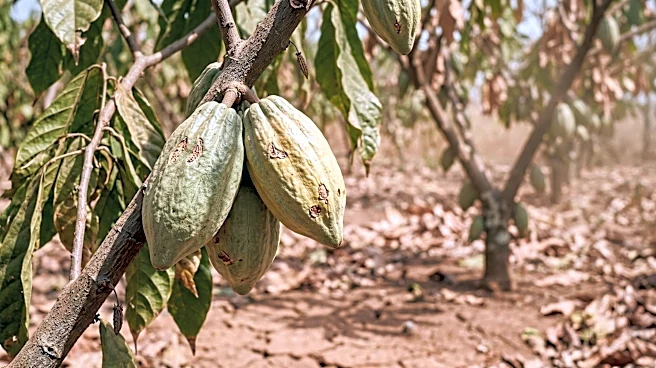
Cocoa farmers in Ivory Coast are reporting below-average rainfall in the country's cocoa-growing regions, raising fears that the September-to-February main crop could conclude earlier than expected. Ivory Coast, the world's largest cocoa producer, is currently
in its rainy season, which typically spans from April to mid-November. Farmers across various regions, including Soubre, Agboville, Divo, Abengourou, Daloa, Bongouanou, and Yamoussoukro, have observed insufficient or patchy rains. For instance, the Daloa region received only 3.4 mm of rain last week, significantly below its five-year average of 25.7 mm. Similarly, the Soubre region experienced no rain last week, falling 22 mm short of its five-year average. Farmers emphasize the critical need for more rain to ensure a robust main crop starting in January. If these dry conditions persist and rains are delayed until mid-October, it could severely impede the development of young cocoa pods destined for next year's harvest, ultimately impacting the overall size of the main crop. Weekly temperatures in Ivory Coast have been recorded between 25 and 28.2 degrees Celsius.
Why It's Important?
The potential early end to Ivory Coast's main cocoa crop due to poor rainfall carries significant implications for the global cocoa market and related industries, including U.S. chocolate manufacturers and consumers. As the world's largest cocoa producer, a reduced yield from Ivory Coast directly affects global supply, potentially leading to higher cocoa prices. This increase in raw material costs could translate into higher prices for chocolate products in the U.S., impacting consumer spending and the profitability of confectionery companies. Industry sources already anticipate a drop in the main crop to approximately 1.25 million metric tons, down from 1.5 million last season, attributed to an El Nino-linked drought and decreased use of fertilizers and pesticides. A further reduction in yield due to ongoing dry conditions would exacerbate this supply deficit, creating greater market volatility. U.S. businesses reliant on cocoa imports would face increased operational costs and potential supply chain disruptions, while consumers might experience less availability or higher prices for their favorite chocolate goods. The situation highlights the vulnerability of global commodity markets to climate-related events in key producing regions.
What's Next?
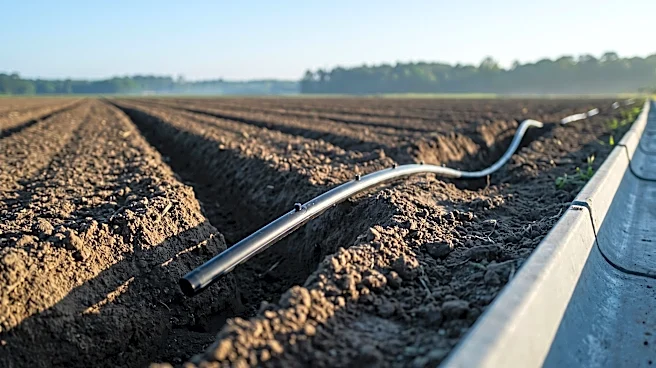
The immediate focus for Ivorian cocoa farmers and the global market will be monitoring rainfall patterns in the coming weeks. Farmers are hoping for sufficient rain to materialize soon to mitigate the damage to the developing cocoa pods. If significant rainfall does not occur by mid-October, the outlook for the main crop will likely worsen, potentially leading to further adjustments in market forecasts and cocoa prices. Stakeholders in the cocoa industry, including U.S. importers and chocolate manufacturers, will be closely watching these developments to assess potential impacts on their supply chains and pricing strategies. The situation may prompt discussions around long-term strategies for climate resilience in cocoa farming, such as investing in irrigation systems or developing drought-resistant cocoa varieties, though these are not immediate solutions. For now, the industry remains in a waiting period, with the hope that weather conditions will improve to support the crucial main crop.
Beyond the Headlines
Beyond the immediate economic impact on cocoa prices and the chocolate industry, the situation in Ivory Coast underscores broader issues of climate change and its disproportionate effect on agricultural communities in developing nations. The reliance of Ivorian farmers on natural rainfall makes them highly vulnerable to shifting weather patterns, which are becoming more erratic due to global climate change. This vulnerability can lead to significant income instability for farmers, impacting their livelihoods and the economic stability of cocoa-dependent regions. Furthermore, the mention of reduced fertilizer and pesticide use due to high prices points to a complex interplay of economic pressures and environmental factors. Farmers, facing financial constraints, may cut back on inputs, which can further depress yields and exacerbate the impact of adverse weather. This creates a cycle where economic hardship and environmental challenges reinforce each other, potentially leading to long-term food security issues and migration pressures. The situation highlights the urgent need for sustainable agricultural practices and international support to help these communities adapt to a changing climate.