




What's Happening?
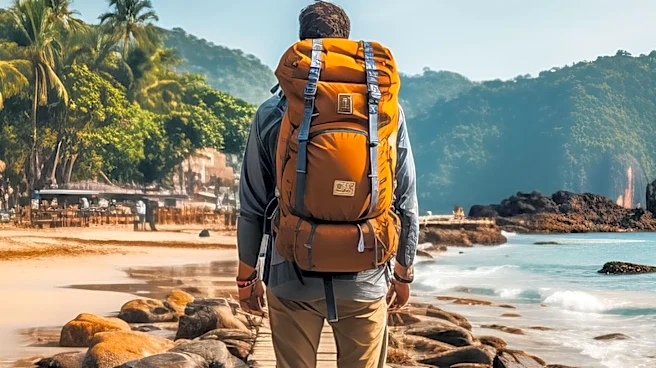
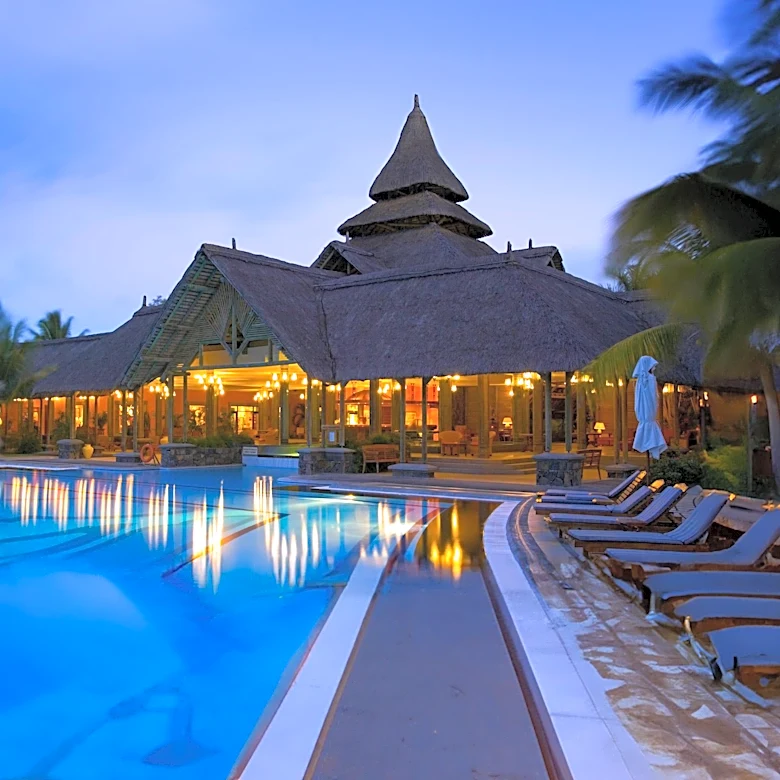
Soft adventure travel is emerging as a popular trend, combining outdoor exploration and physical activity with comfort and relaxation. This travel style focuses on enjoying nature and engaging in accessible activities without the extreme physical demands
often associated with traditional adventure travel. Destinations like Costa Rica are particularly well-suited for soft adventure, offering diverse natural environments such as beaches, rainforests, and rivers, alongside opportunities for wildlife observation, swimming, snorkeling, kayaking, and nature walks. The Caribbean coast of Costa Rica, specifically areas like Punta Uva, provides an ideal setting for this type of travel, allowing visitors to experience lush vegetation and warm waters without large crowds or overly commercial attractions. This approach caters to travelers seeking a balance between active engagement with their surroundings and ample time for rest and rejuvenation.
Why It's Important?
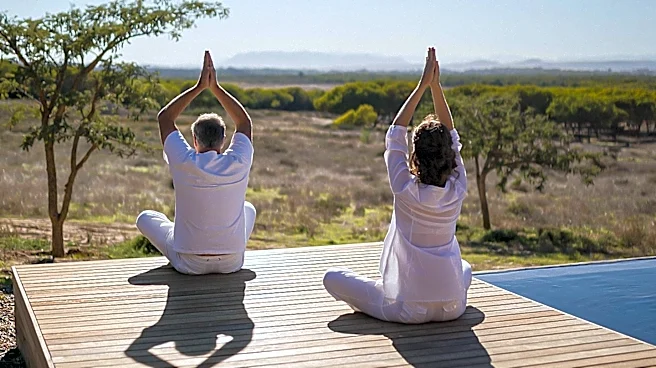
The rise of soft adventure travel reflects a broader shift in traveler preferences, emphasizing wellness and a more balanced approach to vacations. Many individuals, accustomed to sedentary work lives, seek opportunities to be active and outdoors during their time off, but without the exhaustion that can necessitate another vacation. This trend is significant for the tourism industry as it expands the market beyond extreme sports enthusiasts to include couples, mature travelers, families, and wellness-focused individuals. It also promotes a more sustainable form of tourism, as activities like walking, wildlife observation, and low-impact exploration align with environmental respect. For destinations, embracing soft adventure can lead to more diverse visitor demographics and support local economies through activities that do not require intensive infrastructure, fostering a deeper connection between travelers and the natural and cultural aspects of a region.
What's Next?
As soft adventure travel continues to gain traction, destinations and tour operators are likely to further develop and market itineraries that cater to this demand. This could involve creating more tailored packages that blend gentle outdoor activities with cultural experiences, wellness components, and comfortable accommodations. Expect to see an increased focus on destinations that offer natural beauty and accessible outdoor pursuits, such as various regions within the U.S. that boast national parks, coastlines, and scenic trails. The emphasis will be on providing flexibility in itineraries, allowing travelers to customize their level of activity and relaxation. Additionally, there may be a greater integration of local culture and sustainable practices into these soft adventure offerings, appealing to a growing segment of conscious travelers seeking meaningful and responsible experiences.
Beyond the Headlines
The growing popularity of soft adventure travel highlights a deeper societal shift towards prioritizing well-being, mindfulness, and a more harmonious relationship with nature. In an increasingly fast-paced and digitally connected world, there's a yearning for experiences that offer genuine disconnection and rejuvenation without the pressure of extreme challenges. This trend also underscores the evolving definition of 'adventure,' moving away from solely adrenaline-fueled pursuits to encompass quiet exploration, sensory engagement with the environment, and personal growth through gentle immersion. Ethically, it encourages a more respectful and sustainable interaction with natural landscapes and local communities, fostering a sense of stewardship rather than mere consumption of tourist attractions. Culturally, it promotes a slower pace of travel, allowing for deeper appreciation of local traditions, food, and ways of life, ultimately enriching the travel experience beyond superficial sightseeing.