




What's Happening?
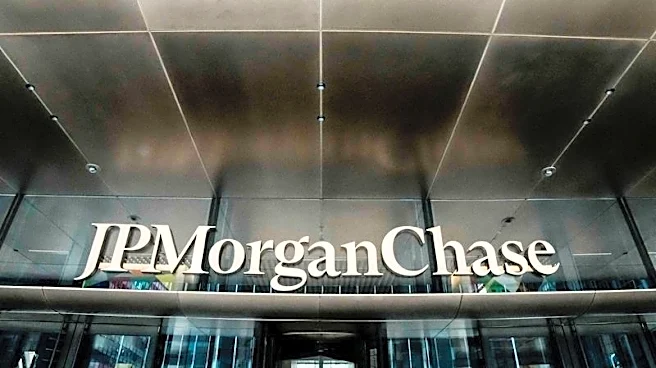
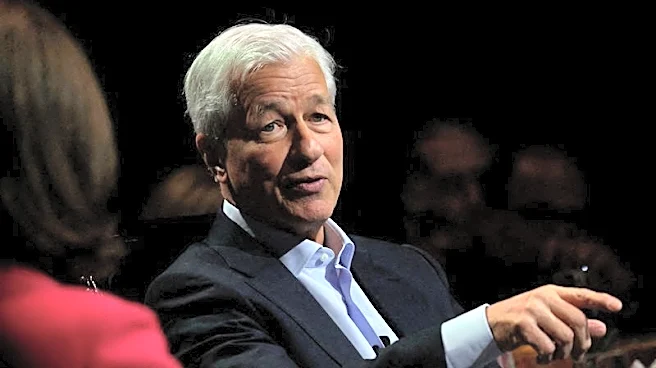
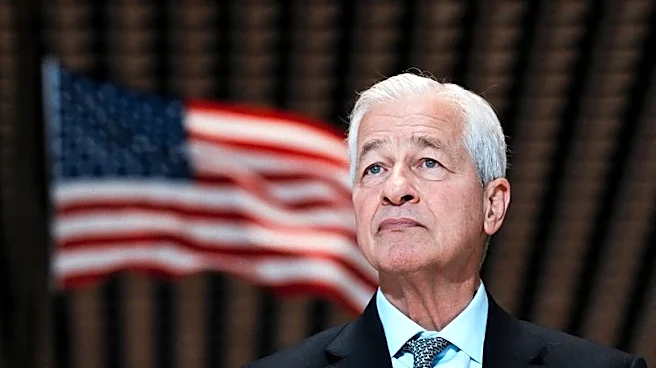
Jamie Dimon, CEO of JPMorgan Chase, has expressed understanding of the growing anti-rich sentiment in the United States, attributing it to the significant wealth gap. According to Federal Reserve data, the bottom 50% of U.S. households own only $4.27
trillion of the nation's $174 trillion in wealth, while the top 0.1% own $25.07 trillion. Dimon, whose net worth exceeds $3 billion, acknowledges that the lower-income population has been left behind, leading to increased resentment. He highlights the disparity in living conditions, such as access to quality education and safe neighborhoods, between the wealthy and the less affluent. Dimon emphasizes the need for effective public policy to address these inequalities, suggesting that solutions should be bipartisan and supported by unions.
Why It's Important?
The acknowledgment of wealth inequality by a prominent figure like Jamie Dimon underscores the urgency of addressing economic disparities in the U.S. The concentration of wealth among a small percentage of the population can lead to social unrest and hinder economic mobility for lower-income families. Dimon's call for policy solutions highlights the potential for bipartisan efforts to create more equitable economic conditions. Addressing these disparities is crucial for fostering social stability and ensuring that economic growth benefits a broader segment of the population. The discussion also raises awareness of the systemic issues that perpetuate inequality, such as inadequate education and job opportunities in disadvantaged areas.
What's Next?
Dimon's remarks may prompt further discussions among policymakers, business leaders, and civil society on how to effectively tackle wealth inequality. Potential next steps could include legislative proposals aimed at improving access to education, healthcare, and employment opportunities for lower-income families. Additionally, there may be increased pressure on corporations to adopt more socially responsible practices that contribute to reducing economic disparities. The conversation around wealth inequality is likely to continue influencing political agendas, especially as the 2028 elections approach, where economic issues could play a significant role in shaping voter preferences.