





What's Happening?
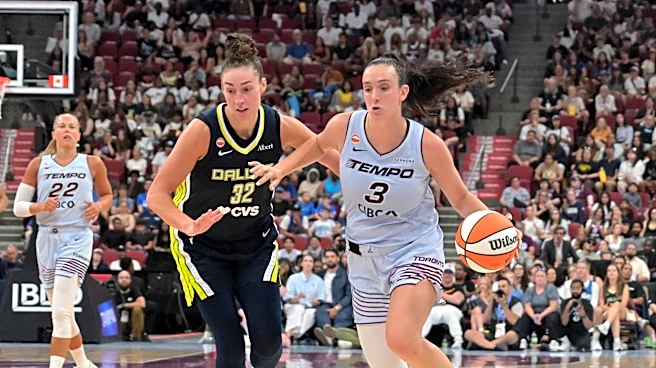
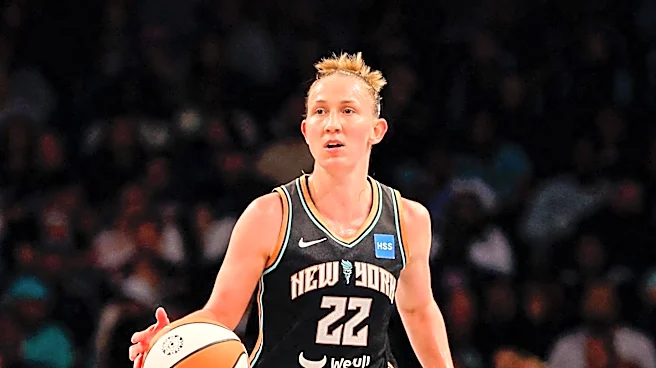
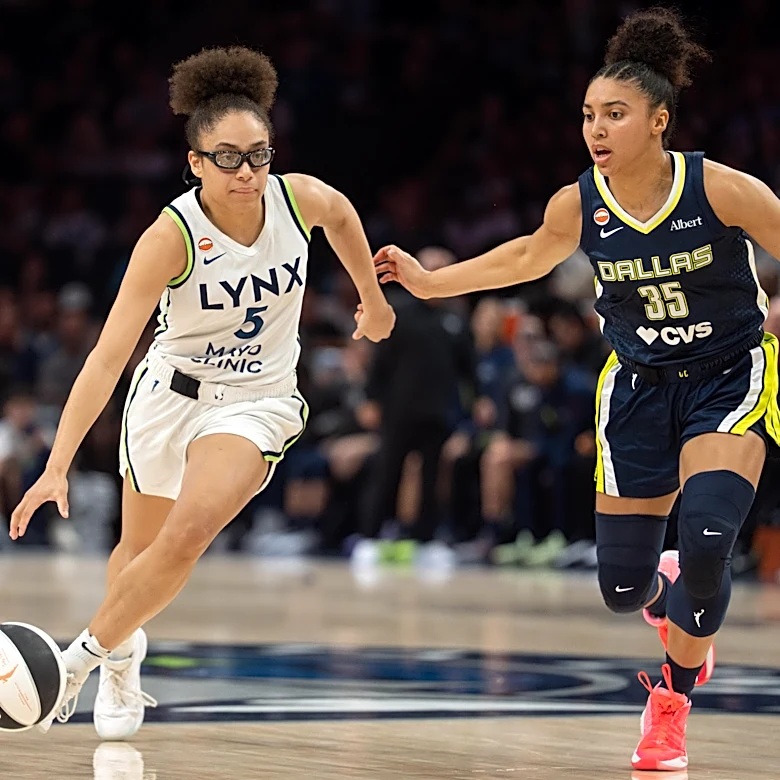
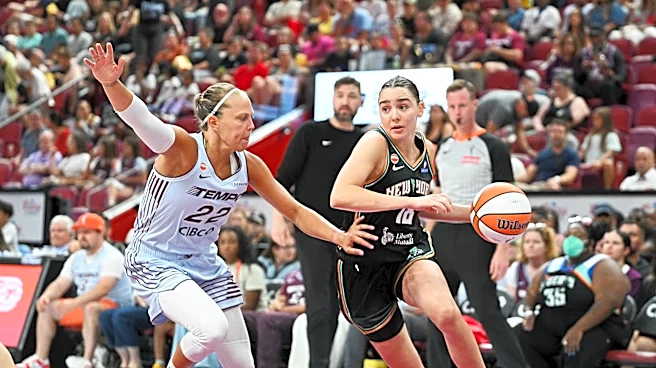
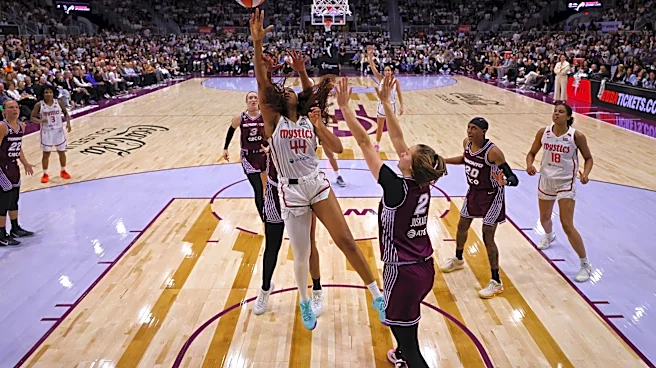
The WNBA is currently dealing with several controversies, including a bizarre incident known as 'Shoe Gate' and issues of online harassment. During a game between the New York Liberty and the Toronto Tempo, Liberty player Betnijah Laney-Hamilton was ejected
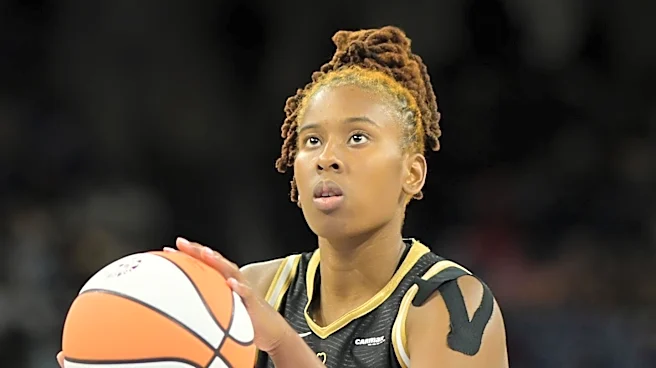
after unintentionally throwing a shoe that hit Tempo's Marina Mabrey. The incident, which was caught on camera, has sparked discussions about player conduct and game tensions. Additionally, Las Vegas Aces star Chelsea Gray received a racially charged message on Instagram, prompting fans to mobilize and report the sender, leading to the individual's dismissal from their job. These events underscore ongoing challenges within the league, including player safety and the impact of social media.
Why It's Important?
These incidents highlight significant issues within the WNBA, such as player safety and the influence of social media on professional sports. The 'Shoe Gate' incident raises questions about player conduct and the potential for misunderstandings to escalate during games. Meanwhile, the online harassment faced by Chelsea Gray underscores the persistent problem of racial abuse in sports, prompting discussions about the responsibilities of social media platforms and employers in addressing such behavior. The swift action taken by fans to hold the harasser accountable demonstrates the power of community mobilization in combating hate speech. These developments could influence league policies and the broader sports community's approach to player protection and online conduct.
What's Next?
The WNBA is expected to continue addressing these issues through campaigns like 'No Space for Hate,' aimed at supporting players and combating hate. The league may also review its policies on player conduct and social media interactions to prevent similar incidents in the future. Teams and players might engage in discussions about enhancing security measures and fostering a safer environment both on and off the court. The outcomes of these incidents could lead to broader changes in how professional sports leagues handle player safety and online harassment, potentially setting precedents for other sports organizations.
Beyond the Headlines
The recent controversies in the WNBA reflect broader societal issues, such as the role of social media in amplifying both positive and negative interactions. The league's response to these challenges could influence public perceptions of its commitment to player welfare and social justice. Additionally, the incidents may prompt discussions about the ethical responsibilities of fans, players, and organizations in creating a respectful and inclusive sports culture. The WNBA's handling of these situations could serve as a model for other leagues facing similar challenges, highlighting the importance of proactive measures in addressing player safety and online harassment.