



What's Happening?
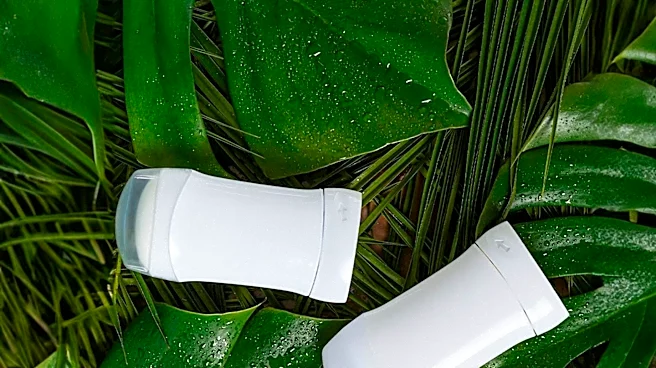
SPF sunscreen sticks are widely available, featuring various formulations designed to provide broad-spectrum protection. These products cater to different skin needs, including sensitive skin, and often incorporate mineral-based active ingredients like
zinc oxide or titanium dioxide. For instance, Mustela offers an SPF 50 mineral sunscreen stick that is non-nano, water-resistant, and suitable for sensitive skin. Similarly, ATTITUDE provides an SPF 50 sunscreen stick enriched with oat extract, also utilizing non-nano zinc oxide for sensitive skin. Other brands like TULA and Glow Recipe offer facial sunscreen sticks with additional benefits; TULA's Protect + Glow Daily Facial Sunscreen Stick provides SPF 30 with protection against pollution and blue light, while Glow Recipe's version offers SPF 45 with hyaluronic acid and niacinamide. There are also natural options such as Beef Tallow Sunscreen Organic Stick, which features SPF 50 with non-nano zinc oxide and other natural ingredients. These stick formulations are designed for convenient application and reapplication, making them practical for on-the-go use.
Why It's Important?
The availability of diverse SPF sunscreen sticks is important for public health, particularly in the U.S., where skin cancer rates remain a significant concern. These products offer accessible and convenient ways for individuals to protect their skin from harmful UVA and UVB rays, which are primary contributors to skin aging and skin cancer. The inclusion of mineral-based options like non-nano zinc oxide and titanium dioxide addresses a growing consumer demand for 'cleaner' beauty products and provides alternatives for individuals with sensitive skin or those who prefer physical blockers over chemical sunscreens. Furthermore, the added benefits in some sticks, such as protection against pollution and blue light, reflect an evolving understanding of environmental aggressors beyond UV radiation, offering more comprehensive skin defense. The compact and portable nature of sunscreen sticks encourages consistent reapplication throughout the day, a critical factor in maintaining effective sun protection, especially during outdoor activities. This product category supports broader public health initiatives aimed at reducing sun damage and promoting skin wellness across various demographics.
What's Next?
The market for SPF sunscreen sticks is likely to continue expanding with further innovations in formulation and application. Consumers can expect to see more products that combine sun protection with skincare benefits, such as enhanced hydration, anti-aging properties, and targeted solutions for specific skin concerns like acne or hyperpigmentation. There may also be an increased focus on sustainable packaging and ethically sourced ingredients, aligning with broader trends in the beauty and personal care industry. Regulatory bodies may continue to evaluate the safety and efficacy of various sunscreen ingredients, potentially leading to new guidelines or ingredient restrictions that could influence product development. Brands will likely invest in research and development to create even more transparent, non-greasy, and cosmetically elegant mineral formulations to appeal to a wider audience. Educational campaigns promoting the importance of daily sunscreen use and proper reapplication techniques, particularly with convenient stick formats, will also be crucial in driving adoption and improving public health outcomes related to sun exposure.
Beyond the Headlines
Beyond their immediate utility, the proliferation of SPF sunscreen sticks reflects a deeper cultural shift towards proactive health and wellness, where daily sun protection is increasingly viewed as a non-negotiable aspect of personal care rather than just a seasonal concern. This trend is influenced by heightened awareness of skin cancer risks and the desire to maintain youthful skin appearance. The emphasis on 'non-nano' mineral filters in many products also highlights a growing consumer consciousness regarding ingredient safety and environmental impact, particularly concerning marine ecosystems. The convenience factor of sticks plays a psychological role, making sun protection less of a chore and more of an integrated, effortless part of a daily routine. This ease of use could contribute to a long-term reduction in sun-related skin damage across the population. Furthermore, the integration of advanced skincare ingredients into sunscreen sticks blurs the lines between cosmetics and pharmaceuticals, suggesting a future where protective and therapeutic benefits are seamlessly combined in everyday products, fostering a more holistic approach to skin health.