




What's Happening?
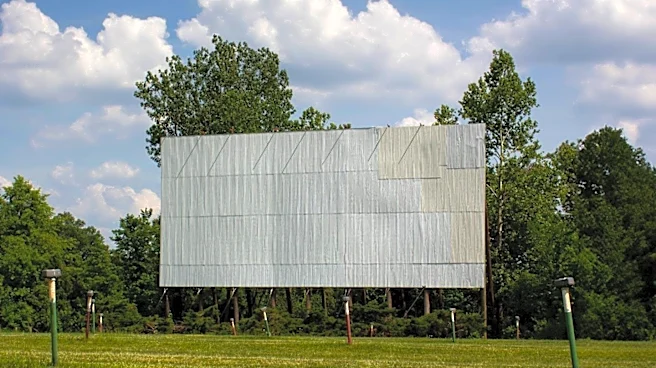
The Coyote Drive-In in Fort Worth, Texas, is scheduled to cease operations on September 7, 2026, after 14 years of business. The closure is a direct result of the ongoing Panther Island project, a significant construction initiative that will reroute
the Trinity River. The drive-in's lease with the Tarrant Regional Water District is concluding as originally agreed, making way for the construction of two new canals and a 3-acre park on the 18-acre property. This marks the first phase of a $1.16 billion bypass channel project. Glenn Solomon, managing partner for the drive-in's ownership group, expressed mixed emotions, noting that the venue had a successful run, exceeding initial expectations. Since its opening in 2013, Coyote Drive-In has served as a popular entertainment spot, hosting movies and community events, including a Jimmy Buffett concert. The drive-in also successfully navigated the challenges of the pandemic, reopening earlier than indoor theaters due to its outdoor nature.
Why It's Important?
The closure of Coyote Drive-In signifies the end of an era for a beloved local entertainment venue and highlights the transformative impact of large-scale urban development projects on existing businesses. While the Panther Island project aims to enhance flood control and create new recreational spaces, it necessitates the displacement of established community fixtures like the drive-in. This situation underscores the delicate balance between urban revitalization and preserving cultural or nostalgic landmarks. The project's substantial investment of $1.16 billion indicates a significant commitment to reshaping Fort Worth's landscape, which will likely bring long-term economic and environmental benefits, but at the cost of certain existing enterprises. The drive-in's success, even during the pandemic, demonstrates the enduring appeal of such venues, and its disappearance will leave a void for residents who valued its unique entertainment experience and community role.
What's Next?
Following the closure on September 7, 2026, construction on the two new canals and a 3-acre park will commence on the former Coyote Drive-In site. While the drive-in itself will be gone, its pavilion is slated to remain as part of the new park, offering a small vestige of its past. Glenn Solomon noted that there are still a few weeks for patrons to visit the drive-in and create memories before its final night. The broader Panther Island project will continue its multi-year development, aiming to complete the bypass channel and associated infrastructure. This will involve significant construction activity and further changes to the area's landscape. The Tarrant Regional Water District will likely focus on the successful implementation of the park and canal construction, integrating these new features into the urban fabric of Fort Worth.
Beyond the Headlines
The impending closure of Coyote Drive-In reflects a broader trend of declining drive-in theaters across the United States, a form of entertainment that peaked in the late 1950s. While Coyote Drive-In managed to thrive for over a decade, its eventual fate due to urban development illustrates the pressures faced by such establishments in modern urban environments. The project also raises questions about the balance between progress and preservation, and how cities can manage growth while retaining elements of their cultural heritage. The drive-in's ability to adapt and even flourish during the pandemic, offering a safer alternative to indoor venues, highlights its inherent resilience and community value. Its disappearance may prompt discussions about the future of unique, large-scale entertainment spaces in rapidly developing cities and the potential for integrating nostalgic elements into new urban designs.