





What's Happening?
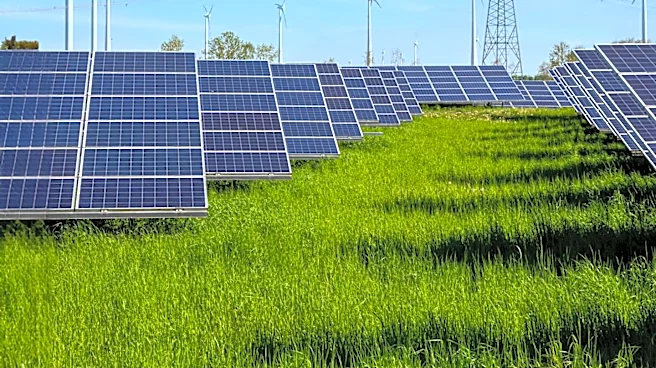
Xcel Energy, a Minneapolis-based utility holding company, has broken ground on two significant infrastructure projects in Minnesota: the Minnesota Energy Connection transmission line and the Lyon County Generating Station. The Minnesota Energy Connection is a 185-mile
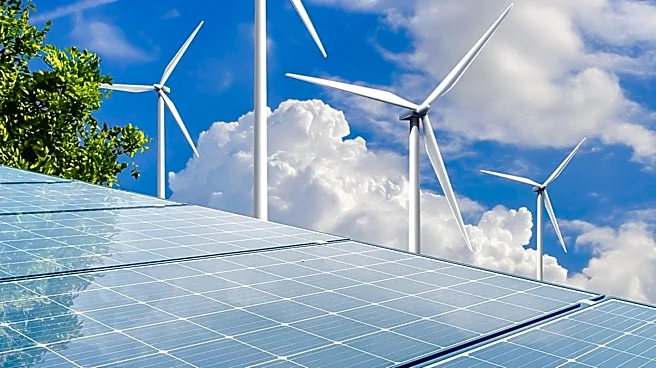
transmission line designed to integrate up to 4,000 megawatts of new wind and solar generation from southwest Minnesota into the grid at the Sherco Energy Hub in Becker. Concurrently, the Lyon County Generating Station, a 420-megawatt natural gas peaking plant, will provide consistent generation to ensure reliability during periods of high demand, extreme weather, or when renewable energy production is low. These projects aim to deliver reliable and affordable electricity to customers across the Upper Midwest while advancing Minnesota's transition to cleaner energy sources. Xcel Energy serves approximately 3.7 to 3.9 million electricity customers and 2.1 to 2.2 million natural gas customers across eight Western and Midwestern states, including Minnesota. The company's generation portfolio currently includes nuclear, natural gas, coal, and renewable resources such as wind and solar, with a goal to phase out coal by 2034.
Why It's Important?
These projects are crucial for the U.S. energy landscape, particularly for states like Minnesota, as they directly address the intermittency challenges associated with renewable energy sources like wind and solar. By building a robust transmission infrastructure, Xcel Energy is enabling the large-scale integration of renewable energy, which is vital for reducing carbon emissions and combating climate change. The addition of the natural gas peaking plant ensures grid stability and reliability, preventing potential blackouts or energy shortages when renewable output is low. This dual approach supports the transition to a cleaner energy future without compromising energy security. The investment also signifies a broader trend in the energy industry towards combining various energy sources and integrating battery storage to ensure consistent energy availability. This strategic move by Xcel Energy could influence other utility companies to invest in similar hybrid energy solutions, accelerating the national shift towards a more sustainable and resilient energy grid. Furthermore, the projects are expected to create a significant energy hub in southwest Minnesota, fostering economic development and job creation in the region.
What's Next?
The construction of the Minnesota Energy Connection transmission line and the Lyon County Generating Station will proceed, with the goal of integrating up to 4 GW of new wind and solar capacity into the grid. These projects are anticipated to be operational in the coming years, significantly enhancing Minnesota's renewable energy infrastructure and grid reliability. Xcel Energy's management expects to continue phasing out coal-fired generation by 2034, aligning with broader industry trends and environmental goals. The success of these projects could serve as a model for other states and utility companies facing similar challenges in transitioning to renewable energy. Regulatory bodies will likely monitor the progress and impact of these initiatives, potentially influencing future energy policies and investments in transmission infrastructure and hybrid generation solutions across the U.S. The company will also continue to manage its diverse energy portfolio, balancing traditional and renewable sources to meet customer demand and environmental targets.
Beyond the Headlines
The deeper implications of Xcel Energy's investment extend beyond immediate energy supply and demand. This initiative highlights the evolving role of utility companies as facilitators of the clean energy transition, requiring substantial capital investment in both generation and transmission infrastructure. The combination of large-scale renewable integration with natural gas peaking plants underscores a pragmatic approach to decarbonization, acknowledging the current limitations of purely renewable grids. This strategy could set a precedent for how other regions balance environmental goals with energy security. Ethically, the projects aim to provide affordable and reliable electricity, addressing energy equity concerns, while also contributing to a healthier environment by reducing reliance on fossil fuels. Culturally, such large-scale infrastructure projects often involve complex negotiations with local communities and landowners, raising questions about land use, environmental impact, and community benefits. The long-term success of these projects will depend not only on their technical performance but also on their ability to foster public acceptance and integrate seamlessly into the broader socio-economic fabric of the Upper Midwest.