



What's Happening?
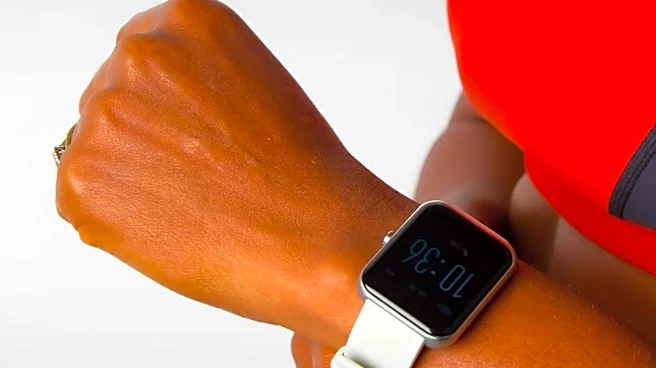
A recent study conducted by researchers at Florida International University (FIU) has indicated that Fitbit devices may inaccurately report calorie burn during exercise. The study compared four popular smartwatch models: Apple Watch Series 8, Fitbit Sense
2, Samsung Galaxy Watch 5, and Garmin Forerunner 955. Participants, 58 adults of Hispanic background, underwent a 10-minute interval training session on a recumbent bike while wearing all four devices and a COSMED-K5 metabolic measurement device for reference. While Apple, Garmin, and Samsung smartwatches generally overestimated calorie expenditure, Fitbit's data showed significant inconsistencies, including instances where measurements were more than 450 percent above the reference value or entirely missing. When these outliers were included, Fitbit's average error increased substantially, raising concerns about its reliability for precise energy balance tracking.
Why It's Important?
The findings from this study are significant for individuals in the U.S. who rely on Fitbit devices for weight management and fitness tracking. Inaccurate calorie burn data can lead to flawed energy balance calculations, potentially hindering weight loss efforts or leading to incorrect dietary adjustments. For users aiming to maintain, lose, or gain weight, precise calorie expenditure information is crucial. The study also highlighted that measurement errors were more pronounced in individuals with higher body fat percentages, suggesting that those who might benefit most from accurate tracking could be receiving the least reliable data. This could lead to frustration and a lack of progress for users who diligently follow their device's readings, impacting their health and fitness goals.
What's Next?
Consumers who use Fitbit devices for calorie tracking may need to re-evaluate their reliance on these readings for precise energy balance. It is possible that Fitbit, or other smartwatch manufacturers, may respond to such research by refining their algorithms or hardware to improve accuracy. Users might consider cross-referencing data with other methods or consulting fitness professionals for more personalized and accurate assessments of calorie expenditure. Future research could also delve deeper into the specific factors contributing to these inaccuracies, such as sensor technology, algorithmic processing, and individual physiological differences, to guide improvements in wearable fitness technology.
Beyond the Headlines
The study's implications extend beyond individual fitness tracking, touching upon broader issues of data reliability in consumer health technology. As more individuals integrate wearable devices into their daily health routines, the accuracy of the data these devices provide becomes paramount. Inaccurate data can not only mislead individuals but also potentially influence public health recommendations or personal health decisions if widely adopted without critical evaluation. This raises questions about the need for more rigorous validation and standardization in the wearable tech industry, ensuring that the tools consumers use for health management are truly effective and trustworthy. The findings also underscore the importance of understanding the limitations of technology and not solely relying on device readings for complex physiological metrics.