
What's Happening?
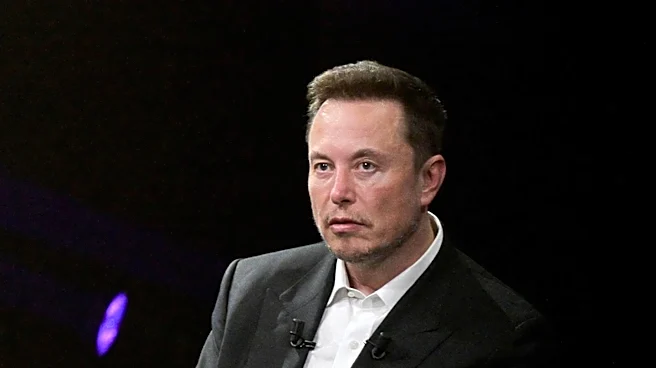
Tesla reported disappointing profits for the second quarter, missing analysts' expectations due to increased spending on AI and robotics infrastructure. The company, led by Elon Musk, reported a negative
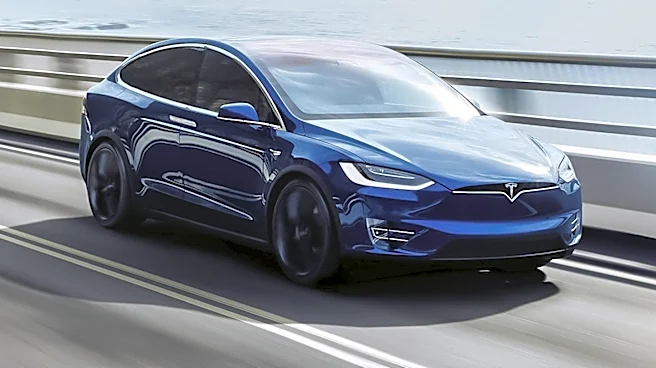
free cash flow for the first time in over two years, as it plans to spend over $25 billion this year on AI and self-driving technology. Despite delivering 480,126 vehicles, surpassing Wall Street expectations, Tesla's automotive gross margin fell short of projections. The company's energy storage deployments increased, but the core automotive business faces pressure from competitors offering newer models at lower prices.
Why It's Important?
Tesla's financial performance highlights the challenges of balancing innovation with profitability. The increased focus on AI and robotics reflects a strategic shift that could redefine the company's future revenue streams. However, the substantial capital expenditure raises concerns about sustainability and investor confidence. The automotive sector remains crucial for Tesla, but the competitive landscape and regulatory changes could impact its market position. The outcome of Tesla's investments in AI and robotics will be pivotal in determining its long-term growth and industry leadership.
What's Next?
Tesla's future hinges on the successful commercialization of its AI and robotics technologies. The company is expanding its robotaxi services and seeking regulatory approvals for its self-driving software in Europe and China. These developments could open new revenue channels and enhance Tesla's market dominance. However, maintaining vehicle delivery growth and managing cash flow will be critical challenges. Investors and analysts will closely monitor Tesla's ability to execute its ambitious plans and deliver on its technological promises.