


What's Happening?
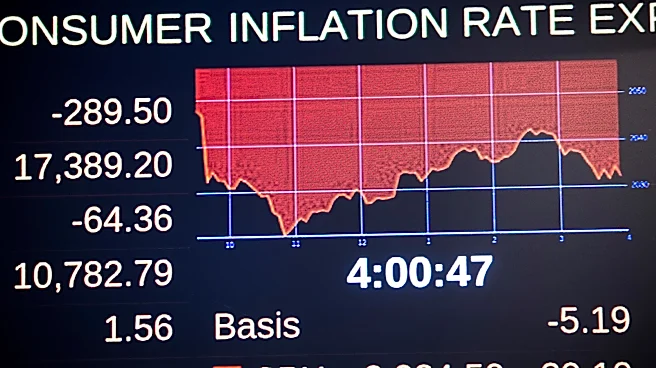
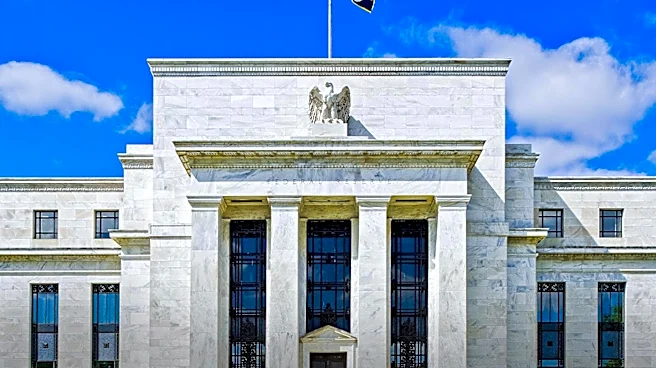
Robin J Brooks reports on the sentiment of his founding members regarding the recent market sell-off, revealing a consensus of peak bearishness. The primary concern revolves around the Federal Reserve, which is perceived as deeply divided, backward-looking,
and tone-deaf to current economic realities, particularly as an 'AI bubble' is seen to be popping and a deflationary shock impacting the U.S. and global economy. Founders believe the Fed will not pivot to a dovish stance in the near term, leading to expectations of continued market turmoil. Many anticipate further downside for risk assets, including the S&P 500, gold, and other precious metals, alongside a disorderly appreciation of the Dollar. There is deep skepticism regarding the valuation of AI stocks, with many founders, who have extensive investing experience, believing the market is significantly overstretched and vulnerable to a wave of bankruptcies. The broader economic picture is also viewed as messy, with inflation becoming entrenched due to the Fed's inability to sufficiently raise real interest rates, coupled with large budget deficits and unsettled global geopolitics.
Why It's Important?
This sentiment among experienced investors is significant as it indicates a lack of confidence in current monetary policy and market stability. The belief that the Federal Reserve is dysfunctional and unlikely to make a dovish pivot suggests prolonged economic uncertainty and potential for further market declines. The skepticism surrounding the AI sector highlights concerns about a potential bubble burst, which could have widespread repercussions given its entanglements with other financial sectors. If these predictions materialize, it could lead to significant wealth destruction, increased corporate bankruptcies, and a broader economic downturn. The founders' views underscore the interconnectedness of monetary policy, technological speculation, and geopolitical stability, all of which are perceived as contributing to a precarious economic environment. This bearish outlook could influence investment decisions, leading to capital flight from riskier assets and a preference for safer havens, further exacerbating market volatility.
What's Next?
Given the prevailing bearish sentiment, founders are bracing for continued market turmoil in the coming week, particularly as the Fed enters its blackout period ahead of the December 9 meeting without an anticipated change in stance. This suggests that risk assets across the board are likely to face further pressure. The expectation of no dovish pivot from the Fed implies that interest rate hikes may continue, potentially leading to a further tightening of financial conditions. Investors will be closely watching for any signals from the Federal Reserve that might indicate a shift in policy, though current expectations are low. The potential bursting of the AI bubble could trigger a wave of bankruptcies, impacting various sectors of the economy. Furthermore, the ongoing concerns about inflation, budget deficits, and global geopolitics suggest that the downside for markets could be substantial, potentially leading to a more severe economic contraction than in previous speculative bubble bursts.
Beyond the Headlines
The deep skepticism expressed by these founders points to a broader crisis of confidence in institutional effectiveness, particularly concerning the Federal Reserve's ability to navigate complex economic challenges. The perception of the Fed's dysfunction, partly attributed to internal divisions and past political influences, could erode public trust in central banking institutions. The critique of the AI bubble also raises questions about the sustainability of rapid technological advancements when valuations become detached from underlying fundamentals, potentially leading to a 'tech winter' that impacts innovation and employment. The confluence of these factors—monetary policy missteps, speculative market behavior, and geopolitical instability—suggests a systemic vulnerability that could lead to a prolonged period of economic restructuring. This scenario could trigger significant shifts in investment paradigms, regulatory oversight, and the global economic order, with long-term implications for wealth distribution and economic growth.