







What's Happening?
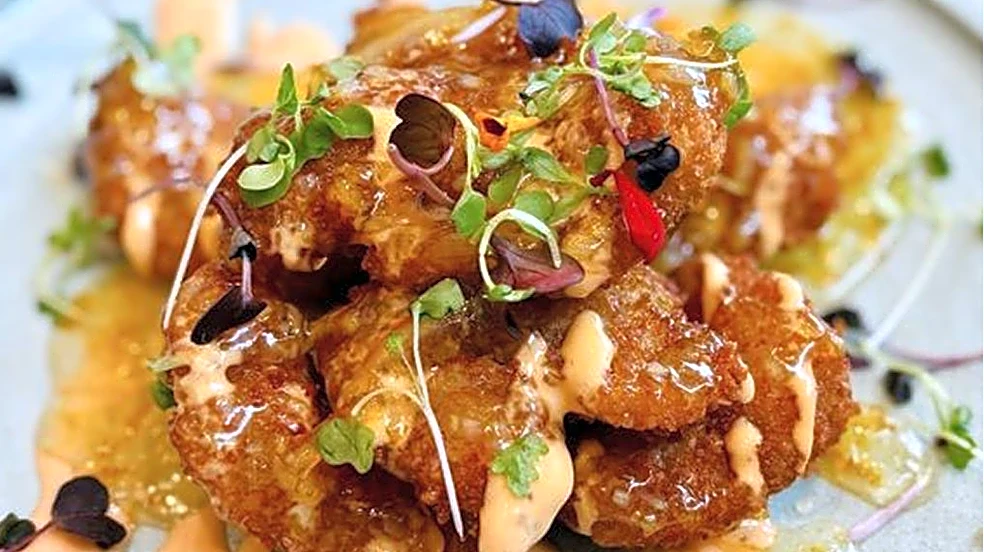
The Tampa Bay Area is expanding its offerings of gluten-free dining options, catering to individuals with celiac disease and gluten sensitivities. Several restaurants are highlighted for providing affordable and safe choices. Bamboozle, a Vietnamese restaurant with locations
in Channelside and Seminole Heights, offers a dedicated gluten-free and vegan menu, with clearly labeled items and half-price pho bowls on Tuesdays. Bolay, located in Brandon and South Tampa, features a 100% gluten-free, Asian-inspired build-a-bowl concept, with prices typically ranging from $10-15. Craft Kafe, near USF St. Pete and The Dali Museum, is a fully gluten-free café offering baked goods and sandwiches for $5-15. Additionally, Jay Luigi in St. Pete and South Tampa provides gluten-free pasta and pizza options, while Crazy Sushi, with locations in South Tampa and Wesley Chapel, has a dedicated gluten-free menu for its sushi and hibachi offerings.
Why It's Important?
The availability of diverse and affordable gluten-free dining options is crucial for individuals with celiac disease and gluten sensitivities, as it significantly impacts their quality of life and ability to participate in social activities. Historically, finding safe and budget-friendly gluten-free meals has been a challenge, often leading to higher costs and limited choices. The growth of such establishments in the Tampa Bay Area reflects a broader trend of increased awareness and accommodation for dietary restrictions within the food industry. This development not only supports the health and well-being of the celiac community but also fosters a more inclusive dining landscape, potentially attracting more residents and tourists with specific dietary needs to the region. It also demonstrates how local businesses are adapting to evolving consumer demands.
What's Next?
The increasing demand for gluten-free options is likely to encourage more restaurants in the Tampa Bay Area and beyond to offer similar accommodations. This trend could lead to further innovation in gluten-free cuisine, potentially reducing costs and expanding menu diversity. Consumers with dietary restrictions can expect to see more establishments providing clear labeling, dedicated preparation areas, and well-trained staff to minimize cross-contamination risks. Continued advocacy from celiac and gluten-sensitive communities, coupled with growing market demand, will likely drive this positive change, making dining out a more accessible and enjoyable experience for everyone. The success of these early adopters may serve as a model for other businesses looking to tap into this growing market segment.
Beyond the Headlines
The rise of gluten-free dining options signifies a broader cultural shift towards greater dietary awareness and personalization. Beyond medical necessity, many individuals choose gluten-free diets for perceived health benefits, contributing to a larger market for these products and services. This trend challenges traditional culinary practices and encourages chefs and restaurateurs to explore alternative ingredients and cooking methods. It also highlights the economic impact of dietary trends, as businesses that successfully cater to these needs can gain a competitive advantage. The emphasis on transparency in ingredient sourcing and preparation also raises standards for food safety and consumer trust across the industry, benefiting all diners. This evolution in dining reflects a more health-conscious and inclusive society.