




What's Happening?
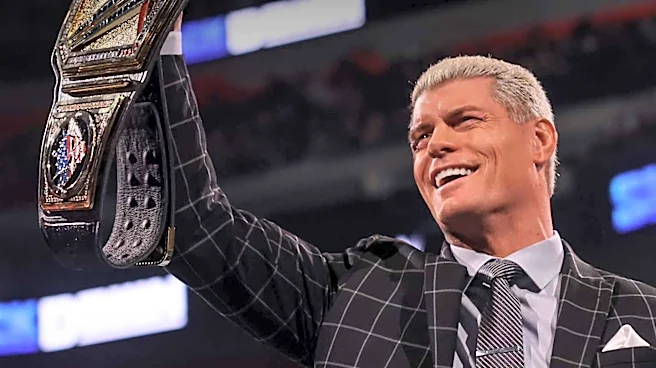
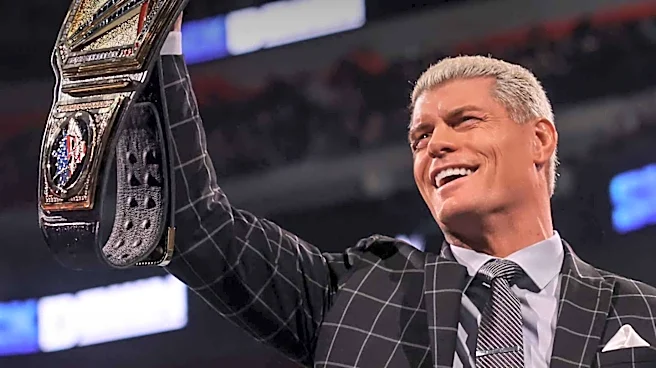
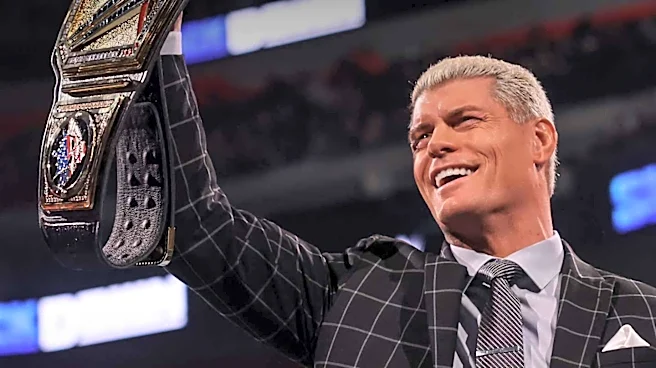
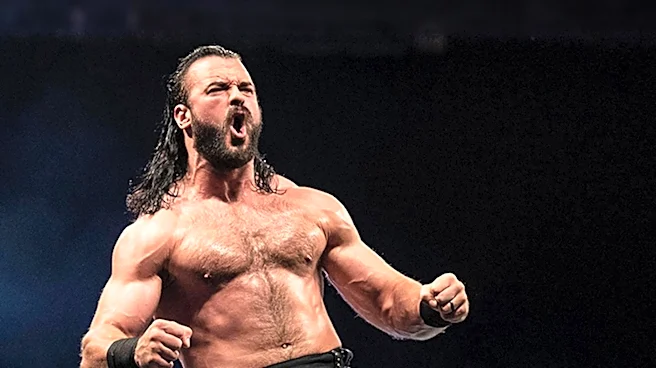
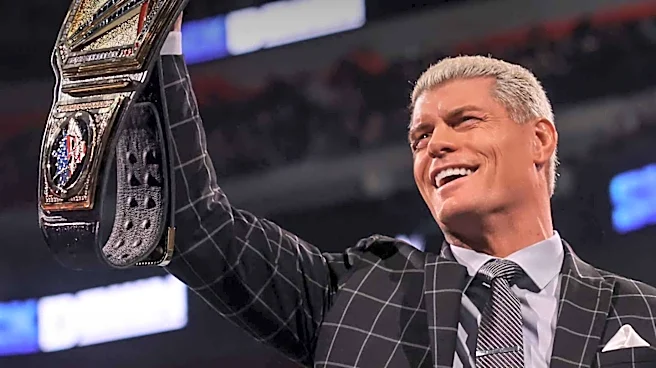
Cody Rhodes, a prominent WWE star, has publicly refuted reports suggesting he pitched to lose the WWE Undisputed Title to Drew McIntyre during their past feud. Speaking on the Double Coverage Podcast, Rhodes dismissed these claims as 'wildly made up'
and criticized the nature of online wrestling discourse, particularly on platforms like X (formerly Twitter). He emphasized that no wrestler would ever propose losing their championship, as it represents their 'meal ticket.' Reports had circulated that both Rhodes and McIntyre had pushed for McIntyre to win the WWE Championship from Rhodes in a Three Stages of Hell Match on January 9, 2026, and even earlier at Wrestlepalooza 2025. Rhodes clarified that while he did eventually lose the title to McIntyre in January, and later regained it, the idea of a champion pitching to lose is illogical from a wrestler's perspective. McIntyre has been absent from WWE television since WrestleMania, and his return date remains unconfirmed.
Why It's Important?
This denial by Cody Rhodes is significant for several reasons within the professional wrestling industry. Firstly, it highlights the ongoing tension between official narratives and fan-generated speculation, particularly in the age of social media. Rhodes's comments underscore the perceived disconnect between the reality of professional wrestling operations and the rumors that proliferate online, which can influence fan perception and engagement. Secondly, it reinforces the competitive nature of championship reigns within WWE, where holding a title is presented as a pinnacle achievement and a source of financial and professional security for wrestlers. A wrestler actively seeking to lose a title would contradict this established ethos. Lastly, the clarification helps manage expectations and narratives around Drew McIntyre's absence and potential return, ensuring that future storylines are not unduly influenced by unverified past reports. This situation also serves as a reminder for fans to critically evaluate information from unofficial sources.
What's Next?
The immediate consequence of Cody Rhodes's statement is a likely dampening of the specific rumor regarding his alleged pitch to lose the title. However, it also opens a broader discussion within the wrestling community about the reliability of online reports and the nature of fan engagement. For Drew McIntyre, his continued absence from WWE television means that speculation about his return and future storylines will persist, but now without the added layer of this particular title-loss rumor. WWE may continue to leverage the dynamic between official announcements and fan speculation as part of its storytelling, but Rhodes's direct refutation sets a precedent for how talent might address such rumors. The focus will now shift to McIntyre's eventual return and how his character is reintegrated into WWE programming, potentially reigniting his rivalry with Rhodes or pursuing other championship opportunities.
Beyond the Headlines
Beyond the immediate wrestling narrative, this incident touches upon broader themes of information dissemination and media literacy in the digital age. Rhodes's frustration with 'wildly made up' stories on social media reflects a challenge faced by many public figures in managing their public image and controlling narratives. It highlights how platforms like X can create 'bubbles' of information that may not align with reality, leading to misinformed fan bases. Ethically, it raises questions about the responsibility of wrestling news outlets and fans in verifying information before widely sharing it. Culturally, it underscores the unique relationship between professional wrestling and its audience, where the line between kayfabe (staged reality) and genuine behind-the-scenes events is often blurred, making it fertile ground for rumors. This situation could prompt a more critical approach from fans towards unverified reports and encourage a greater appreciation for official communications from talent and promotions.