


What's Happening?
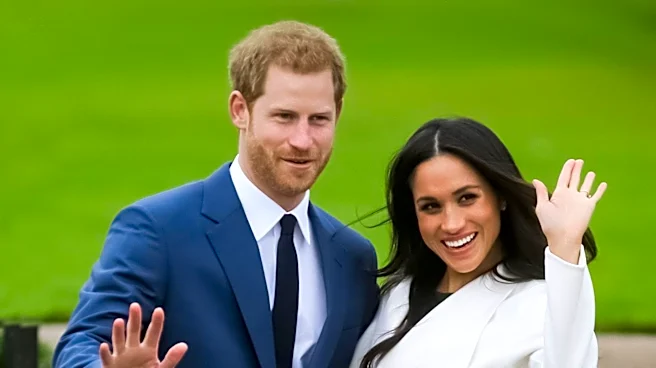
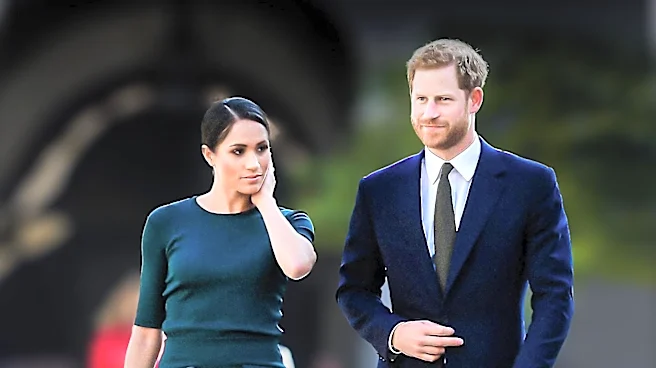
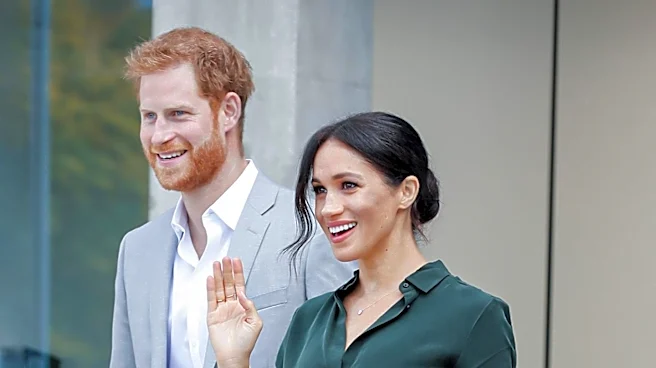
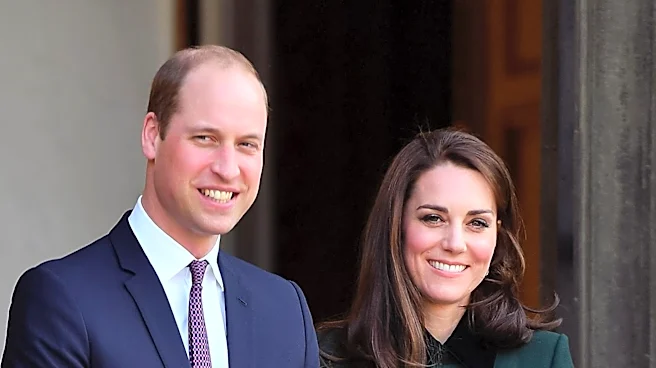
During their recent visit to Brussels, Prince Harry and Meghan Markle displayed a 'certain dissonance' in their body language, according to expert Inbaal Honigman. The couple was photographed holding hands at the Paul-Henri Spaak building at the European
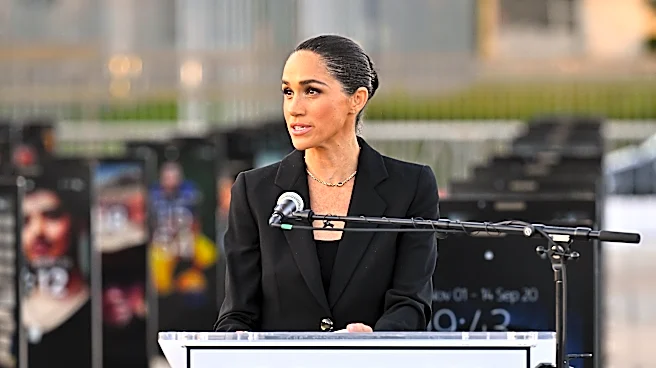
Parliament, marking Meghan's first public appearance since her father, Thomas Markle Snr., was arrested and charged. Honigman observed that while they held hands warmly, they were not 'in-step,' with each employing different non-verbal cues. Prince Harry's body language was described as 'closed and protective,' while Meghan's was 'quite open and casual.' This difference suggests Harry might be seeking to 'propose changes and ideas,' while Meghan's goal appears to be 'just to represent.' Despite these observations, the expert emphasized that the 'dissonance' does not indicate a lack of love, noting their hand-holding was strong and habitual, suggesting a loving relationship. The couple's visit was for the opening of the Lost Screen Memorial, where they spoke as parents concerned about online harm.
Why It's Important?
This observation of 'dissonance' in the Duke and Duchess of Sussex's public appearance is significant as it comes amidst considerable personal and public scrutiny. Meghan Markle's father's recent arrest for alleged possession of child abuse material has placed immense pressure on the couple, particularly Meghan. The differing body language, even if not indicative of marital strain, could be interpreted by the public as a reflection of the individual ways they are coping with external pressures. For public figures like Prince Harry and Meghan, every gesture is analyzed, and any perceived misalignment can fuel narratives about their relationship dynamics or their individual states of mind. This scrutiny is amplified by their decision to step back from senior royal duties and their continued public engagements, where their image and unity are often central to their public messaging and philanthropic efforts. The event itself, focusing on online harm, adds another layer of importance, as they presented themselves as concerned parents, a role that requires a united front.
What's Next?
Following this public appearance and the ongoing personal challenges, it is anticipated that Prince Harry and Meghan Markle will continue to navigate public life under intense scrutiny. Royal expert Marlene Koenig has suggested that there may be some sympathy for Meghan within the Royal Family, though it might not lead to a full reconciliation or opening of doors. Broadcaster Esther Krakue has urged the couple to 'step back from engagements,' suggesting their current public appearances are 'not achieving anything' amidst the fallout from Thomas Markle Snr.'s arrest. Meghan has already scaled back some commitments, opting out of a dual keynote address in Brussels due to emotional strain. The couple is reportedly focusing on settling their children into their new home and school in the UK, while Meghan continues to work on her brand, As Ever. Their future public engagements will likely be carefully considered in light of these personal circumstances and public perceptions.
Beyond the Headlines
The 'dissonance' observed in Prince Harry and Meghan Markle's body language, while seemingly minor, highlights the immense pressure and constant public performance expected of high-profile individuals, especially those with royal connections. Beyond the immediate interpretations of their relationship, it underscores the psychological toll that continuous media scrutiny and personal crises can exact. The differing coping mechanisms observed—Harry's protective stance versus Meghan's open demeanor—could reflect individual strategies for managing stress in the public eye. This situation also brings into focus the broader ethical question of public figures' right to privacy versus public interest, particularly when personal family matters become front-page news. The couple's continued commitment to their causes, such as combating online harm, despite personal turmoil, also raises questions about the resilience required to maintain a public platform and advocate for social issues amidst personal adversity. Their actions and reactions will continue to be a case study in managing public image and personal well-being under extreme pressure.