



What's Happening?
The Utah Jazz are experiencing a significantly disappointing start to the 2026-27 NBA season, holding a 1-11 record through their first 11 games. This performance marks their worst start in recent rebuilding seasons, placing them at the bottom of the Western
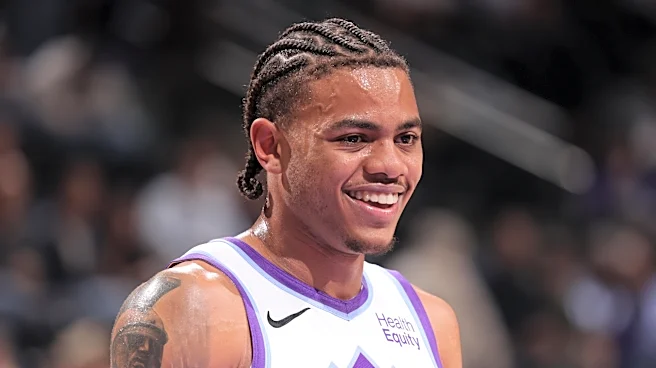
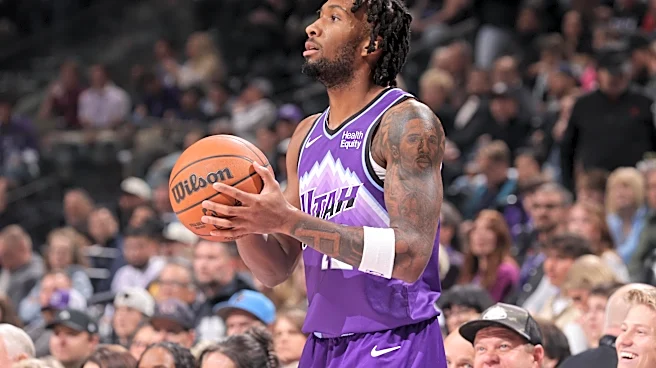
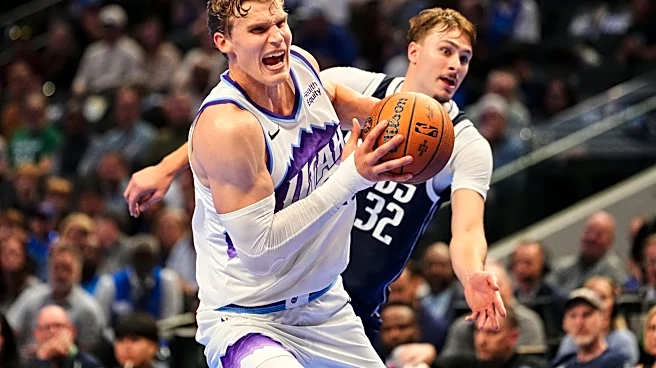
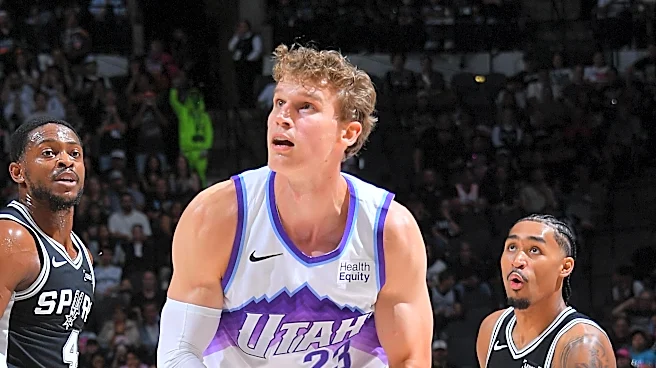
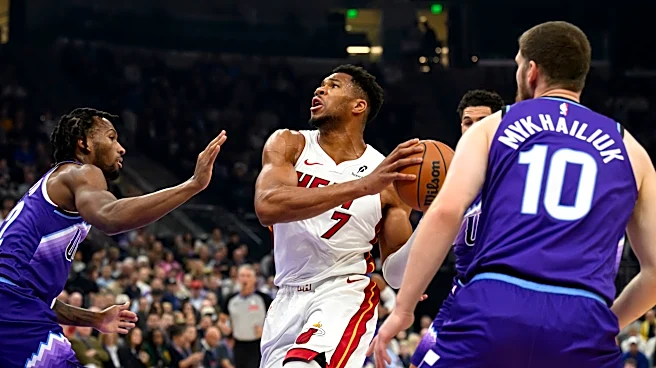
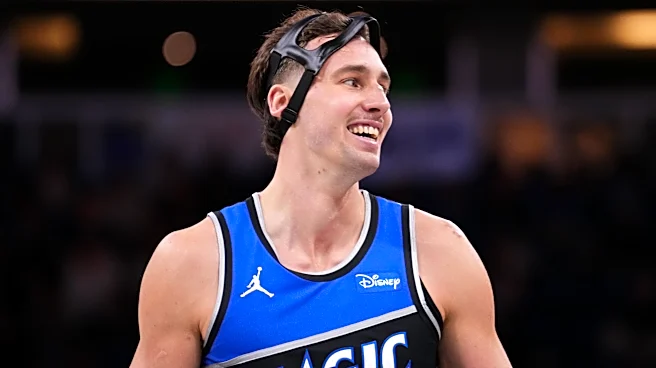
Conference standings alongside the Sacramento team. The team's struggles are largely attributed to a wave of injuries, with three of their five starters—Jaren Jackson Jr. (torn MCL), Lauri Markkanen (non-displaced fracture in right hand), and Jusuf Nurkic (foot)—sidelined for prolonged periods. Despite offseason expectations for a step forward and a potential end to a four-year playoff drought, the Jazz have managed only one victory, a one-point win against the Pelicans. Their recent loss to the Orlando Magic extended their losing streak to ten games, highlighting a collapse in the fourth quarter after holding a lead. The team is not intentionally tanking, especially given new NBA anti-tanking protocols and their draft pick obligations.
Why It's Important?
The Utah Jazz's poor start is significant as it undermines preseason expectations for a team that was projected to contend for a playoff spot. The extensive injury list to key veteran players like Jackson, Markkanen, and Nurkic not only impacts current game outcomes but also hinders the development and chemistry of the team's younger core, including rookie Darryn Peterson and Keyonte George. This situation forces the Jazz to rely heavily on less experienced players, potentially delaying their competitive timeline. Furthermore, the team's -138 point differential, ranking fourth-worst in the league, indicates deeper issues beyond just injuries, including offensive inefficiencies and subpar defense. The early season struggles could also impact fan morale and future team strategies, especially concerning player development and potential trade decisions as the season progresses. The team's inability to compete effectively against healthier opponents puts their goal of a play-in appearance at risk.
What's Next?
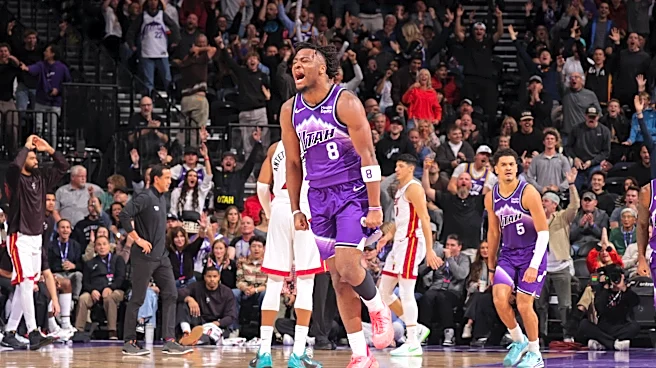
The Utah Jazz anticipate the return of their injured starters, Lauri Markkanen, Jaren Jackson Jr., and Jusuf Nurkic, within the next month or two, assuming no further setbacks. This return to full strength is crucial for the team to develop chemistry and improve their on-court performance. Coach Will Hardy remains optimistic, noting signs of improvement in the team's emphasis on catch-and-shoot three-pointers, physicality at the rim, and offensive selflessness, despite the current results. The Jazz aim to rally and secure a top-10 record in the Western Conference to achieve a play-in spot, which would be considered a reasonable goal despite their current standing. The performance of young guards Darryn Peterson and Keyonte George will be critical in the interim, as they are expected to carry a significant offensive load. The team's ability to integrate returning veterans with their developing young talent will determine their trajectory for the remainder of the season.
Beyond the Headlines
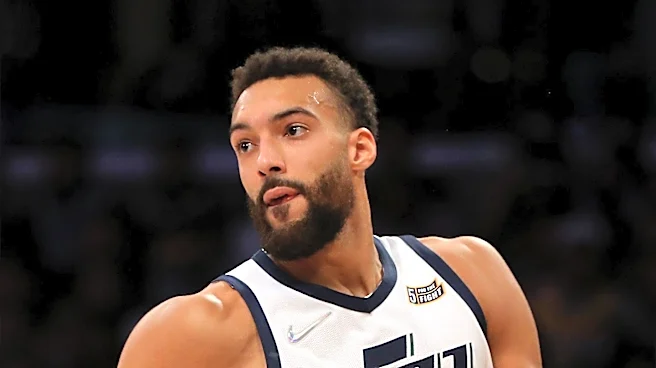
Beyond the immediate win-loss record, the Jazz's current predicament highlights the delicate balance between player development, veteran leadership, and injury management in the NBA. The team's decision to trade Walker Kessler in the offseason, while yielding future draft assets, is now being scrutinized as his shot-blocking presence could have aided their current defensive struggles. This situation underscores the long-term strategic implications of roster construction and asset management. The Jazz's struggles also reflect the broader competitive landscape of the NBA, where even teams with promising young talent and veteran acquisitions can be derailed by unforeseen circumstances like widespread injuries. The team's ability to navigate this challenging period, foster growth in its young players, and integrate its returning stars will be a significant test of the coaching staff and front office's long-term vision, potentially shaping the franchise's direction for several seasons to come.