

What's Happening?
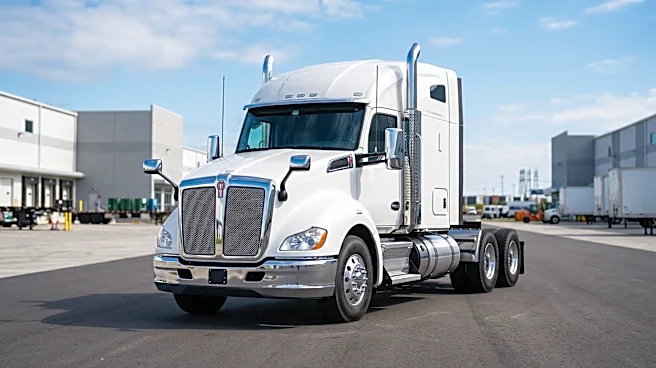
Landstar System, Inc., a Jacksonville, Florida-based transportation management company, has awarded two new trucks to independent owner-operators within its network in 2026. German Burgueno received a 2027 Peterbilt 579, and Dean Webb was presented with a 2027 Freightliner
Cascadia. These awards mark the 53rd and 54th instances of independent owner-operators, known as Business Capacity Owners (BCOs), receiving new trucks through Landstar’s recognition programs. Burgueno, a BCO for 28 years and a Million Mile Safe Driver since 2013, was selected at the BCO All-Star Celebration in Orlando. Webb, a BCO for over a decade, received his truck at the annual BCO Appreciation Days in Las Vegas, with eligibility tied to participation in safety activities. Landstar president and CEO Frank Lonegro stated that these giveaways acknowledge the independent operators who demonstrate hard work and commitment to their businesses within the Landstar network. The company's model relies on these independent agents and BCOs who lease their equipment and handle specialized freight.
Why It's Important?
This initiative by Landstar System highlights the company's strategy of fostering loyalty and recognizing excellence among its independent owner-operators, who are crucial to its asset-light business model. By awarding new trucks, Landstar not only incentivizes safety and service but also directly addresses a significant operational challenge for independent truckers: equipment reliability. For owner-operators like Dean Webb, whose previous truck faced repeated mechanical issues, a new vehicle translates directly into reduced downtime and increased revenue potential. This practice helps Landstar maintain a high-quality, reliable fleet without the direct ownership costs, ensuring consistent service for its clients. The recognition programs also reinforce a culture of safety and professionalism, which is vital in the trucking industry for reducing accidents, insurance costs, and maintaining a positive public image. This approach benefits both the company by securing dedicated and high-performing BCOs and the independent operators by providing substantial rewards for their commitment.
What's Next?
Landstar is expected to continue its recognition programs, including future truck giveaways, as a core component of its BCO engagement strategy. These programs are likely to remain focused on incentivizing safety, security, and service, which are key performance indicators for the company's independent operators. The ongoing success of these initiatives could further strengthen Landstar's network of BCOs, potentially attracting more independent operators to its model. The company will likely continue to monitor the impact of these programs on BCO retention, operational efficiency, and overall service quality. Furthermore, as the trucking industry evolves with new technologies and regulations, Landstar may adapt its recognition criteria to align with emerging industry standards and company objectives, ensuring its BCOs are equipped and motivated to meet future demands.
Beyond the Headlines
The practice of awarding new trucks to independent owner-operators by companies like Landstar reflects a broader trend in the logistics and transportation sector to manage and motivate a largely independent workforce. This model allows companies to scale operations flexibly while leveraging the entrepreneurial spirit of individual truckers. However, it also places significant responsibility on these independent operators for equipment maintenance, insurance, and operational costs. By providing new trucks, Landstar mitigates some of these burdens, enhancing the financial viability and operational capacity of its BCOs. This strategy also subtly addresses the challenges of driver retention and recruitment in a competitive industry, offering tangible benefits that go beyond contractual agreements. The emphasis on safety and service in these recognition programs also underscores the increasing importance of these factors in the transportation sector, driven by regulatory pressures, insurance costs, and customer expectations for reliable and secure freight delivery.