





What's Happening?
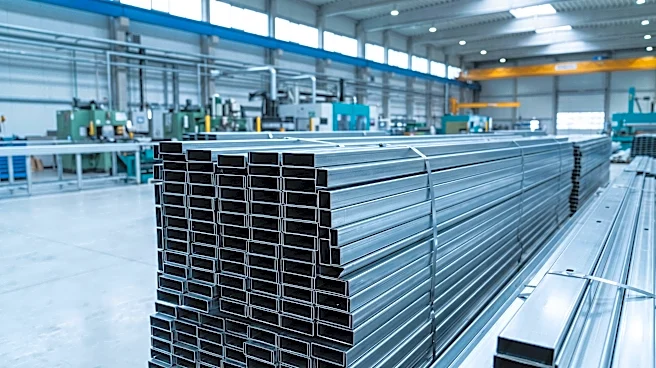
Windham-based Beylin Development and manufacturing company NexGen Steel are opening a new steel factory in Manchester, New Hampshire, with production slated to begin in early 2027. The factory will produce steel frames, panels, studs, and other components
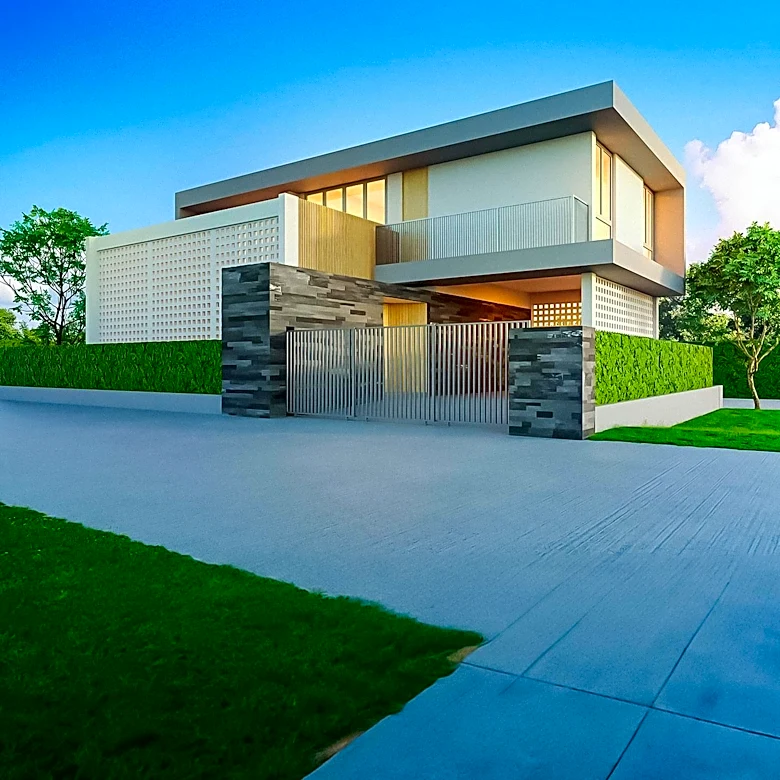
for residential home construction, marking a shift from traditional wood framing. Simon Beylin, founder of Beylin Development, cited the advantages of steel, such as resistance to rot and fire, and consistent quality compared to fluctuating timber prices and inconsistent wood quality. The companies have leased an existing Manchester facility and expect a ribbon-cutting in January, with about a dozen employees initially. Beylin Development has already started a 63-unit project in Auburn for individuals 55 and older that will utilize steel framing from the new factory.
Why It's Important?
This venture signifies a potential shift in residential construction practices in New England, traditionally dominated by wood. The adoption of steel framing could offer builders more durable, consistent, and potentially safer alternatives for home construction. For the Manchester economy, the new factory represents job creation and industrial growth, diversifying the local manufacturing sector. If successful, this initiative could influence other developers to consider steel, potentially leading to broader changes in building codes and construction techniques across the region. However, challenges remain, including the unfamiliarity of residential construction crews with steel and concerns about steel's thermal conductivity in colder climates, as noted by Mike Danis of Danis Construction Company.
What's Next?
The new steel factory in Manchester is expected to have its ribbon-cutting in January, with production commencing in early 2027. Beylin Development and NexGen Steel plan to actively court other developers and construction businesses to adopt steel for residential projects. They are also considering building another steel factory in the region, indicating a long-term commitment to this construction method. The success of their initial projects, like the 63-unit development in Auburn, will be crucial in demonstrating the viability and benefits of steel framing to a broader market. Overcoming the industry's traditional reliance on wood and addressing concerns about steel's performance in New England's climate will be key to their expansion.
Beyond the Headlines
This move by Beylin Development and NexGen Steel could trigger a broader re-evaluation of construction materials and methods in the U.S. residential sector. Beyond the immediate economic and practical benefits, the shift to steel could have long-term environmental implications, depending on the sourcing and recycling of steel compared to timber. It also highlights innovation within the construction industry, driven by factors like material costs, durability, and safety standards. The challenge of retraining a workforce accustomed to wood framing also points to the need for new skill development in the construction trades. This development could be a precursor to a more industrialized and standardized approach to home building, potentially impacting housing affordability and quality in the future.