



What's Happening?
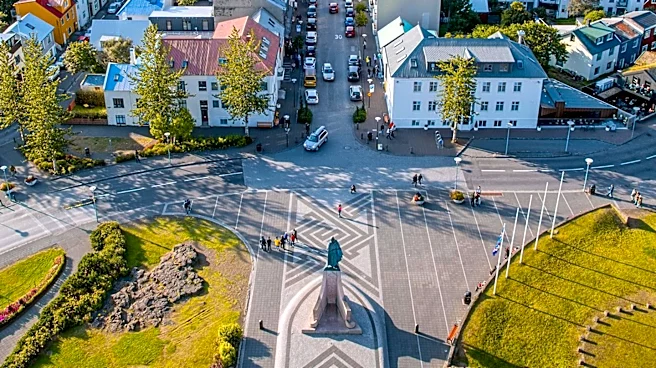
Reykjavík, the capital of Iceland, is highlighted as a prime destination offering a unique blend of natural attractions and cultural experiences. Situated in the heart of the Golden Circle, the city provides easy access to significant natural wonders
such as Þingvellir National Park, a UNESCO World Heritage Site known for its geological formations where the North American and Eurasian tectonic plates meet. Another major draw is the Blue Lagoon, a geothermal hot spring located just outside the city, offering relaxation in its 40°C waters. Beyond natural beauty, Reykjavík boasts a vibrant cultural scene with museums like the National Museum of Iceland, showcasing the country's history from the Viking era to modern times. The city also offers diverse culinary experiences, including traditional Icelandic dishes and local craft breweries. Visitors can engage in various activities, from whale watching and horseback riding to exploring black sand beaches and enjoying the city's nightlife and festivals.
Why It's Important?
The continued promotion and development of Reykjavík as a tourist destination are crucial for Iceland's economy, heavily reliant on tourism. By emphasizing its unique natural landscapes and rich cultural heritage, Reykjavík attracts a broad range of international visitors, contributing to local businesses, hospitality, and employment sectors. The city's strategic location within the Golden Circle makes it an ideal base for exploring the wider region, further boosting regional tourism. The focus on sustainable tourism practices, such as preserving natural sites like Þingvellir National Park and managing popular attractions like the Blue Lagoon, ensures the long-term viability of these resources. For U.S. travelers, Reykjavík offers an accessible and distinct European travel experience, contrasting with more traditional destinations and providing opportunities for adventure and cultural immersion.
What's Next?
Reykjavík is expected to continue enhancing its tourism infrastructure and offerings to accommodate growing visitor numbers. This includes developing new tour packages, such as those combining glacier hiking, whale watching, and spa experiences, as well as expanding accommodation options. Efforts will likely focus on promoting off-season travel, particularly for viewing the Northern Lights, to ensure year-round tourism revenue. The city will also likely continue to host various festivals and events to attract cultural tourists. Furthermore, there may be an increased emphasis on digital tools and platforms to streamline travel planning and enhance visitor experiences, such as online booking systems for tours and accommodations. The tourism sector will also need to adapt to evolving travel trends, potentially including more personalized and eco-conscious travel options.
Beyond the Headlines
The sustained popularity of Reykjavík as a tourist hub raises important considerations regarding environmental impact and cultural preservation. The influx of visitors, while economically beneficial, can strain natural resources and infrastructure. Balancing tourism growth with the protection of Iceland's delicate ecosystems and unique cultural identity will be an ongoing challenge. There's a potential for increased investment in sustainable tourism initiatives, including eco-friendly transportation, waste management, and educational programs for tourists. The city's ability to maintain its 'small, close-knit community' feel amidst global attention will also be a key factor in its long-term appeal. Furthermore, the success of Reykjavík as a travel destination could influence other smaller nations with unique natural assets to develop their tourism sectors, highlighting the economic potential of natural and cultural heritage.