


What's Happening?
Under the leadership of new CEO Greg Abel, Berkshire Hathaway repurchased approximately $9.6 billion of its own shares in the third quarter of 2026. This buyback activity, which included 4,536 Class A shares and 12,384,959 Class B shares, significantly
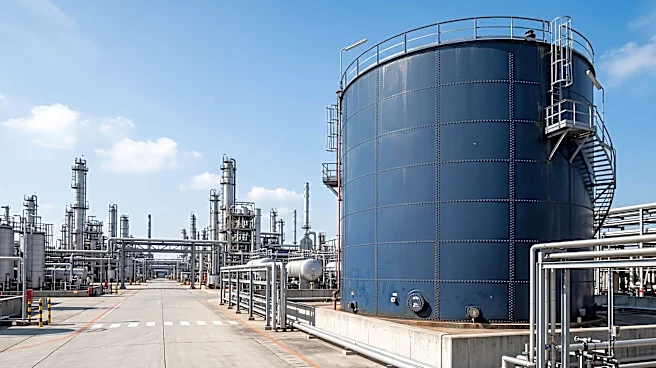
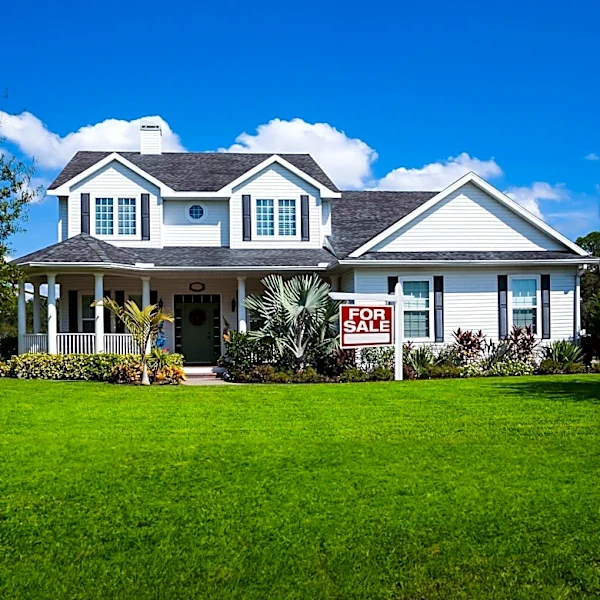
surpassed the $4.53 billion spent on repurchases in the previous quarter. Since mid-2018, Berkshire Hathaway has returned about $92 billion to shareholders through buybacks. Abel, who took over as CEO on January 1, 2026, succeeding Warren Buffett, has also pursued substantial equity investments, such as a large stake in Alphabet, and major acquisitions. These acquisitions include OxyChem, valued between $9.4 billion and $9.7 billion, and Taylor Morrison Home Corp. for $6.8 billion, expanding Berkshire's exposure to the chemicals and homebuilding sectors. This marks a more rapid deployment of capital compared to Buffett's final year as CEO.
Why It's Important?
The aggressive capital deployment strategy under Greg Abel signals a new era for Berkshire Hathaway, impacting its financial performance and market perception. The substantial stock buyback suggests management's confidence that the company's shares are undervalued, potentially boosting shareholder returns by reducing the number of outstanding shares. This move could also be interpreted by investors as a strong vote of confidence in the company's future earnings power and asset value. Furthermore, the significant acquisitions in chemicals and homebuilding diversify Berkshire's portfolio and could provide new avenues for growth, but also introduce new risks associated with these industries. The shift in pace from the previous leadership indicates a more proactive approach to capital allocation, which could influence how other large conglomerates manage their cash reserves and investment strategies.
What's Next?
Investors will closely monitor the performance of the newly acquired businesses, OxyChem and Taylor Morrison Home Corp., to assess whether their returns justify the acquisition costs. The large stake in Alphabet will also be a key indicator for shareholders evaluating Abel's stock-picking acumen. The continued pace of buybacks will be a significant factor in Berkshire Hathaway's financial strategy, with future repurchases signaling ongoing management confidence in the stock's intrinsic value. With nearly $360 billion in cash reserves, Berkshire Hathaway retains substantial flexibility for further investments or acquisitions, suggesting potential for continued strategic moves under Abel's leadership. The market will be watching for how these investments and acquisitions integrate into Berkshire's existing portfolio and contribute to its overall growth.
Beyond the Headlines
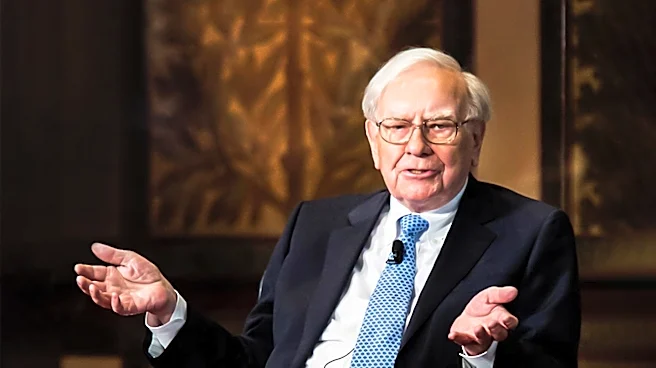
The transition of leadership from Warren Buffett to Greg Abel at Berkshire Hathaway represents a pivotal moment for one of the world's most influential investment firms. Abel's more aggressive capital deployment strategy, characterized by increased buybacks and significant acquisitions, could set a new precedent for how large, diversified conglomerates operate in a dynamic economic environment. This shift might reflect a broader trend among corporate leaders to actively manage capital for shareholder value, moving beyond traditional, more conservative approaches. The success or challenges faced by Abel's strategy will likely be scrutinized by financial analysts and business schools, potentially influencing future corporate governance and investment philosophies across the U.S. and global markets. It also highlights the ongoing challenge of succession planning in long-standing, iconic companies.